So, citalopram, huh? It’s one of those names you might’ve heard floating around when people talk about mental health. You know, like at a coffee shop or between friends?
It’s a medication that a lot of folks take when they’re feeling low or anxious. But it can be tough to wrap your head around what it actually does and how it fits into the whole recovery picture.
I’ve seen people have pretty wild journeys with this stuff—some ups and downs for sure. But, seriously, understanding citalopram could actually help you or someone you care about navigate through their challenges a bit easier.
Let’s break it down together!
Exploring the Benefits of Citalopram for Mental Health: What You Need to Know
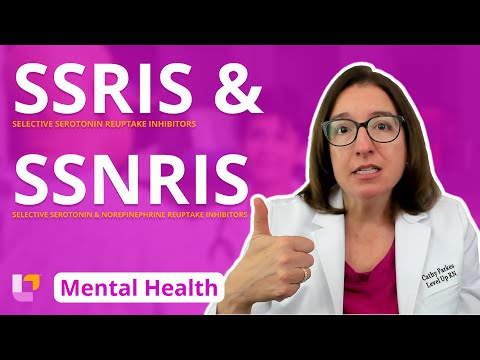
Citalopram is a medication that’s often used to help with mental health issues, especially depression and anxiety. It’s in a class of drugs called SSRIs, which stands for selective serotonin reuptake inhibitors. Simply put, it helps your brain keep more serotonin—the “feel-good” chemical—around, which can make a big difference in how you feel day-to-day.
Many people find that once they start taking citalopram, there’s a noticeable change in their mood. Like my friend Sarah, who struggled with depression for years. She told me that after about four weeks on citalopram, she felt like she could finally see some light at the end of the tunnel. It didn’t happen overnight, but those small changes really added up.
Here are some points to know about citalopram:
- Efficacy: Citalopram is effective for many. Studies show it can reduce symptoms of depression and anxiety significantly.
- Dosage: Doctors usually start patients off on a low dose and then gradually increase it if needed. Everyone’s different—what works for you might not work for someone else.
- Side Effects: Like any medication, it comes with some side effects. Some people report nausea or drowsiness when they first start taking it.
- Withdrawal Symptoms: Stopping citalopram suddenly can lead to withdrawal symptoms like dizziness or mood swings. It’s super important to talk to your doc if you’re thinking about stopping.
- Long-Term Use: Many take it long-term and find that when they taper down slowly under a doctor’s supervision, their mental health stays stable.
However, not everyone gets along with this med. Some folks might experience side effects that are tough to handle. That was the case with my cousin Jake who found he couldn’t deal with the fatigue and decided to switch meds.
Another thing is therapy! While medications like citalopram can be really helpful on their own, combining them with therapy tends to lead to even better results. So if you find yourself on this medication and feeling better, reaching out for some talk therapy might push you even further in your recovery journey.
Also worth mentioning is the importance of having a solid support system around you when you’re on this path. Talking things through with friends or family can make all the difference as you adjust to changes—medication or otherwise.
So yeah, when considering citalopram as part of your mental health toolkit, it’s key to have open conversations with your healthcare provider. They can help guide you through what may work best based on your personal situation—it’s not one-size-fits-all!
To sum up (but not really conclude), citalopram can play an important role in helping manage mental health conditions when used thoughtfully and under guidance from professionals who really get it. Just remember: every journey is unique!
Exploring the Safety of Combining Propranolol and Citalopram for Mental Health Treatment
When you’re looking at combining propranolol and citalopram, it’s really important to dig into what each of these medications do. So, citalopram is an antidepressant that falls under the category of selective serotonin reuptake inhibitors (SSRIs). It helps by boosting serotonin levels in your brain, which can lift your mood and help with anxiety. On the other hand, propranolol is mainly a beta-blocker, often used to treat high blood pressure and heart issues. But here’s the kicker: it can also help manage physical symptoms of anxiety like rapid heartbeat or sweating.
Now, combining these two might sound appealing if you’re dealing with both emotional ups and downs and some serious anxiety symptoms. But here’s where you should be cautious. Interactions between medications can sometimes lead to complications.
Here are a few things to keep in mind:
- The main concern when combining these drugs is how they affect your heart rate and blood pressure. Citalopram can influence heart rhythm, so adding propranolol might amplify this issue.
- Side effects from either medication may become more pronounced when taken together. For example, if you’re feeling sleepy from citalopram, propranolol could make that worse.
- Dosage plays a big role too. Your doctor might adjust the amount of each drug based on how you’re responding to treatment.
Think about Sarah—a friend who struggled with both panic attacks and depression. When her therapist suggested citalopram for her mood swings, she found relief but still felt a racing heart during panic episodes. Her doctor talked about adding propranolol as a way to calm those physical symptoms down during moments of stress.
While many take these meds together without issues, it’s super important not to self-medicate or mix them without professional guidance. Your healthcare provider will know your medical history best and can monitor your response carefully.
In short—pairing propranolol with citalopram isn’t off-limits but does require careful supervision by a healthcare professional who understands both medications’ impacts on your body and mind. Always have open conversations about how you’re feeling on any new medication combo; it helps keep everything running smoothly!
Exploring How Citalopram Affects Emotional Regulation: Benefits and Insights
Citalopram, you know, is one of those medications that gets a lot of attention when we talk about emotional health. It’s an SSRI, which stands for selective serotonin reuptake inhibitor. Basically, it helps boost serotonin levels in the brain—this chemical is super important for mood regulation. When someone isn’t producing enough serotonin, they might feel low or anxious.
So, what’s the deal with citalopram and emotional regulation? Here’s the thing: it can really help smooth out those intense highs and lows that come with depression or anxiety. Picture this: imagine you’re feeling overwhelmed by sadness or frustration. Citalopram can help level things out, making those tough emotions a little more manageable.
Here are some benefits to consider:
But keep in mind that it isn’t magic! It usually takes several weeks to kick in fully; we’re talking about four to six weeks before you might start noticing real changes. And sometimes those side effects can be a bit annoying—things like nausea or sleep disturbances might pop up during the first few weeks.
Let’s look at a personal example: imagine Sarah. She struggled with intense anxiety that made her feel paralyzed during social situations. After starting citalopram, she felt an improvement in her overall mood within a month or so. Sure, there were hiccups along the way—like feeling extra sleepy at times—but ultimately it helped her engage more fully in life again.
That’s not to say everyone has an easy time with it though! Some folks experience what we call emotional blunting—where they feel less joy but also less pain. It’s kind of like being stuck in neutral gear emotionally.
You’ve got to remember that while citalopram can be beneficial in managing your emotions better, it’s not a cure-all solution. Pairing medication with therapy often provides a much richer recovery experience since you get to address underlying issues while managing symptoms.
In summary, citalopram plays a pretty significant role in helping folks regulate their emotions effectively by boosting serotonin and creating more stable moods overall. But as with anything related to mental health, people respond differently—and it works best when accompanied by other supportive therapies and healthy habits!
Citalopram, huh? It’s one of those medications that you might hear a lot about when people talk about mental health recovery. Basically, it’s an antidepressant that belongs to a group called selective serotonin reuptake inhibitors (SSRIs). That’s a fancy way of saying it helps boost serotonin levels in your brain, which can improve mood and reduce anxiety. So, if you’ve been feeling like you’re stuck in a loop of sadness or worry, this might be something you and your doc talk about.
I remember a friend who was really struggling with depression. It was tough to see someone so vibrant feeling like a shadow of themself. They shared how getting on citalopram was like slowly turning the volume up on their life again. At first, there were some bumps—like nausea and headaches—but as time went on, it felt like this thick fog was starting to lift. They told me that they could finally enjoy things again—like music and going out with friends—without that relentless weight.
But here’s the thing—not every medication works the same for everyone. What really struck me is how important it is to have open conversations with healthcare providers. That connection can make all the difference in finding what works for you personally. Recovery isn’t just about taking pills; it involves therapy, building support networks, and sometimes just being kind to yourself during those hard days.
Citalopram can play a role in mental health recovery for many people—it’s not magic though! It’s just one piece of a bigger puzzle that involves patience and ongoing effort. Sometimes you need to try different things before finding what clicks—and that journey can be frustrating but also so incredibly rewarding once you start feeling more like yourself again.
So yeah, if you’re considering citalopram or any meds for mental health issues, just remember it’s okay to ask questions and reach out for support along the way! Everyone’s journey is different, but believing in the possibility of recovery is key!