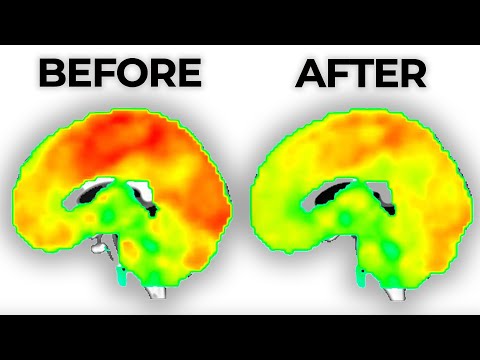
You know, when you’re feeling down and life just sometimes seems too much, it can be tempting to look for a quick fix. Antidepressants can seem like the magic answer.
But, hang on a minute. They come with some side effects that can really throw you for a loop. Yeah, it’s not all rainbows and sunshine.
I mean, picture this: you finally decide to give them a shot, but then… bam! You’ve got dry mouth, weird dreams, or maybe you’re feeling more anxious instead of less. It’s like buying a new phone and realizing the battery dies half the time.
So, let’s chat about what these meds can do—not just for your mood but also how they mess with your head in ways you’d never expect. Ready? Let’s get into it!
Understanding the Impact of Antidepressants on Mental Health: Benefits and Considerations
Antidepressants can be a real game-changer for many people dealing with mental health issues like depression and anxiety. They work by balancing chemicals in your brain—like serotonin and norepinephrine—that affect your mood. But, like most things in life, they come with both positive effects and some things to consider.
One of the biggest benefits is that antidepressants can help lift that heavy fog of sadness or worry. You know that feeling when everything seems overwhelming? Well, these medications can help clear that up, allowing you to feel more like yourself again.
But not everyone experiences the same results. Some people might find that the side effects are too much to handle. Common side effects include weight gain, sleep issues, dry mouth, or even feeling a bit more anxious at first. Imagine being already stressed out and then feeling even more on edge—that’s tough!
And here’s another thing: some folks report feeling emotionally numb while on these meds. Like, you might be less sad but also less happy. It’s kind of a double-edged sword because while you’re not spiraling down into despair, it may also feel like you’re stuck in neutral emotionally.
Then there’s the whole adjustment period to think about. You don’t just start taking an antidepressant and suddenly feel fabulous overnight! It can take several weeks for them to kick in fully—sometimes longer depending on the medication and the person. That waiting game can be frustrating!
Also, let’s chat about how you stop taking them if you’ve been on them for a while. Suddenly stopping might lead to withdrawal symptoms or a relapse into depression or anxiety symptoms. So it’s super important to work with your doctor when changing or stopping any medication.
Now let’s get real about what this means for someone struggling with mental health issues: management is key! Antidepressants aren’t usually a standalone solution; they often work best when paired with therapy or lifestyle changes like exercise and diet adjustments.
Another aspect to consider is personal response. What works wonders for one person could do nothing—or even have the opposite effect—for someone else. That’s why communication with your healthcare provider is crucial; they can help adjust prescriptions based on how you’re feeling.
So, while antidepressants can indeed be beneficial, especially in stabilizing mood over time, remember that there are factors at play—side effects need watching closely and they often require patience as you figure out what works best for you.
In summary, antidepressants are not a one-size-fits-all solution, but they do offer hope for many individuals looking for relief from their mental health struggles. Just stay informed about how they impact mental health overall so you make choices that fit your needs best!
Understanding the Link Between Antidepressants and Abdominal Pain: Causes and Solutions
So, you’re wondering about the connection between antidepressants and abdominal pain? That’s a pretty important topic. Many people end up dealing with this uncomfortable side effect while trying to manage their mental health. Let’s hash it out.
First off, antidepressants are prescribed to help with conditions like depression and anxiety, right? But sometimes, these meds can mess with your body in ways you didn’t expect. Abdominal pain can pop up as one of those sneaky side effects.
- Types of Antidepressants: Different classes of antidepressants have various side effects. SSRIs like fluoxetine or sertraline can lead to digestive issues. On the flip side, tricyclics like amitriptyline might also cause constipation or diarrhea.
- How They Work: These meds affect neurotransmitters—those little messengers in your brain—like serotonin and norepinephrine. While they’re working on your mood, they can also interfere with gut function.
- Gut-Brain Connection: There’s a strong link between your gut and brain. Seriously! This is called the gut-brain axis. If you change how your brain works with meds, it can totally throw your stomach off balance.
You know what’s also interesting? Stress—both psychological and physical—can make abdominal pain worse. If you’re anxious about taking meds or worried about feeling sick from them, that just complicates things even more.
The good news is there are ways to tackle this issue! Here are some easy solutions:
- Talk to Your Doctor: Seriously, don’t hesitate to reach out if you’re feeling pain. Sometimes just switching medications or adjusting the dosage helps.
- Diet Changes: Eating smaller meals or avoiding heavy foods might ease things up a bit. Keeping track of what makes your belly feel better or worse is helpful too!
- Add Probiotics: Foods like yogurt could improve gut health and reduce discomfort over time. It’s all about balancing things out!
In my experience, I’ve seen friends struggle with this exact problem while taking their prescribed antidepressants. One pal switched his medication after mentioning his stomach issues to his doctor—and guess what? He felt way better both mentally and physically afterward!
If you find yourself in this situation, remember that it’s totally okay to speak up about side effects! You deserve comfort while seeking help for mental health challenges.
Understanding the Side Effects of Antidepressants in Women: What You Need to Know
Antidepressants can be a game changer for many people, especially women who face unique challenges. But along with the potential benefits, they sometimes bring side effects that can feel overwhelming. Let’s break it down a bit.
First off, it’s super important to know that not everyone experiences the same side effects. Your body reacts differently to medication based on a ton of factors like age, genetics, and your overall health. So what might affect one person might not bother another at all.
Common Side Effects
Some of the typical side effects women might experience when taking antidepressants include:
Like, let’s talk about sexual dysfunction for a moment. This isn’t just an awkward topic — it can be really distressing and impact relationships. Some women report reduced libido, difficulty achieving orgasm, or even pain during sex. Seriously frustrating stuff!
Then there’s weight changes. Some antidepressants are known for causing weight gain which can hit hard if you’re already struggling with body image issues or self-esteem challenges.
Mental Health Impact
Feeling anxious is another tricky side effect that some people experience when they start a new antidepressant–it’s like you’re trying to feel better but end up feeling more jittery instead. This is often temporary but still? It can be tough to cope with those feelings initially.
It’s worth mentioning that these medications don’t work overnight; patience is key here! The first few weeks may be rough as your body adjusts to the new drug—and side effects might make you feel worse before you feel better.
Coping Strategies
Now, if you do find yourself facing some of these unwanted effects, don’t just suck it up in silence! Seriously—reach out! Talking to your doctor about how you’re feeling is important. They could switch your meds or adjust the dosage.
Other coping strategies include:
A little while back, I spoke with a friend who had just started taking an antidepressant and was feeling super sleepy all the time. She found it difficult to hold down her regular activities—including hanging out with friends! After discussing it with her doctor, they switched her prescription and got her back on track!
It’s essential to remember that while some side effects are tough to deal with, antidepressants can offer relief from depression and anxiety symptoms. It’s all about finding the right balance for you so give yourself grace during this process!
In summary, understanding what’s going on when taking antidepressants means knowing their potential side effects—especially since these can really influence both mental health and day-to-day living. So keep that line of communication open with your healthcare provider and lean on support systems around you; you’re not alone in this journey!
You know, when people think about antidepressants, they often jump straight to the idea of feeling better. And that’s totally understandable, right? But there’s a whole other side to this story that doesn’t get talked about nearly enough. Like, seriously, let’s chat about the side effects and how they can really mess with your mind.
I remember a friend who started taking antidepressants after going through a rough patch. At first, it seemed like things were on the upswing—she felt calmer and more balanced. But then, she started noticing some weird stuff happening. It was like her brain had decided to take a little vacation while her body was still clocked in at work. She felt foggy and couldn’t concentrate. It was frustrating for her because she wanted to enjoy life again but found herself grappling with this new level of muddled thinking.
So, what are these side effects? Well, they can vary depending on the type of medication and individual factors like your age or overall health. Some common ones include fatigue, weight gain or loss, and changes in sleep patterns. It’s not just physical; there are emotional side effects too! Some folks report feeling emotionally numb or less motivated—like their feelings got put on pause.
And that’s where things can get tricky. You might start feeling better in some ways but also struggle with this emotional flatness that can be super confusing. You’re trying to heal but also dealing with this unexpected baggage.
But here’s the kicker: if you’re considering starting or stopping medication because of these side effects or if you’re just feeling lost in how all this works together—having open conversations with your doctor is key! They can help you navigate these choppy waters because let’s face it; understanding your mental health is not always straightforward.
In the end, it’s all about finding what works best for you while keeping an eye on those pesky side effects. Mental health is such a personal journey; everyone’s experience will look different. Just remember—you’re not alone in this!