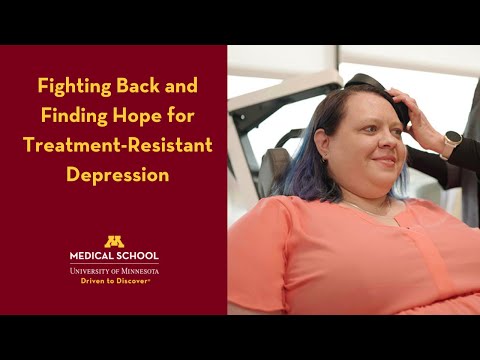
So, let’s chat about something that can feel pretty heavy. Antidepressant-resistant depression. Sounds intense, right? But it’s more common than you think.
You know when you’ve tried all the meds and nothing seems to work? Frustrating doesn’t even cut it. It’s like searching for a light switch in a dark room and just… not finding it.
But here’s the thing: hope isn’t lost. Seriously! There are ways to manage this thing that don’t rely solely on pills.
Sometimes, it just takes a bit of digging to find what truly helps. And that journey can be tough, but it can also lead you somewhere bright. Let’s explore this together, yeah?
Exploring the Best Drug Options for Treatment-Resistant Depression: A Comprehensive Guide
When it comes to treatment-resistant depression, the journey can feel really overwhelming. You might have tried a few antidepressants with no luck, and that can get discouraging. It’s like you’re stuck in this loop, hoping to find something that actually helps lift that weight off your shoulders.
So, what do you do when the usual medications just aren’t cutting it? Well, there are several options worth considering. Let’s break ’em down.
1. Different Classes of Antidepressants
Sometimes, switching up the class of medication can make a difference. If you started with SSRIs (Selective Serotonin Reuptake Inhibitors), maybe try SNRIs (Serotonin-Norepinephrine Reuptake Inhibitors). Each works a bit differently on your brain’s chemistry. Some folks find that one class resonates more with them than another.
2. Augmentation Therapy
This is where you mix things up by adding another type of medication to what you’re already taking. For instance, some doctors might suggest adding a mood stabilizer or an antipsychotic. One friend of mine found relief when her doc combined her SSRI with a low dose of an atypical antipsychotic—huge game changer for her!
3. Ketamine and Esketamine
These are newer players in the game. Ketamine is sometimes used off-label for depression treatment and has shown rapid effects in many people. Esketamine is actually a nasal spray approved specifically for treatment-resistant depression and might be worth exploring if other meds haven’t helped.
4. Therapy Combination
Medications work best in conjunction with therapy—like CBT (Cognitive Behavioral Therapy). What happens is therapy helps you process feelings while meds tackle the biological side of things. You know how sometimes just talking things out gives you new clarity? Yeah, that!
5. Lifestyle Factors
I can’t stress this enough: your lifestyle can play a big role too! Regular exercise, sleep hygiene, balanced meals—all those little changes can support your mental health journey alongside any medication you’re trying.
6. Natural Supplements
Some folks explore options like omega-3 fatty acids or St. John’s Wort—though keep in mind these should always be discussed with your doctor first! Not everything natural is safe or effective for everyone.
7. Clinical Trials
If you’re feeling adventurous (and okay with uncertainty), check out clinical trials for new treatments! You could be among the first to try out innovative medications or therapies that aren’t widely available yet.
Remember, everyone’s journey is different—what works wonders for one person might not help another at all! Finding relief often takes patience and some trial-and-error, but don’t lose hope! Your experience matters deeply in this process; being open about what you’re feeling allows healthcare teams to help you better.
Keep those lines of communication open with your healthcare provider; they’re there to support you through this confusing time! Finding the right mix can take time, but hang in there—there’s always hope on the horizon.
The Gold Standard Treatments for Overcoming Treatment-Resistant Depression
Sure, let’s chat about overcoming treatment-resistant depression (TRD) without going all textbook on you. You know, it’s tough when traditional antidepressants aren’t doing their job. It’s like trying to start your car and it just won’t budge no matter how many times you turn the key. But don’t lose hope; there are other roads to explore!
Defining Treatment-Resistant Depression
First off, TRD is basically when you’ve tried at least two different antidepressants for major depressive disorder and they’re just not working. Frustrating, right? A lot of people experience this feeling of being stuck, like they’re in a fog that won’t lift.
Understanding Options Beyond Traditional Meds
So, what can you do if those pills just aren’t cutting it? Here are some options that might help:
- Psychotherapy: Sometimes talking it out really can help. Approaches like cognitive-behavioral therapy (CBT) focus on changing negative thought patterns and behaviors. It’s more hands-on than you might think!
- Ketamine Therapy: This isn’t your everyday treatment. Ketamine can provide rapid relief from depressive symptoms, often within hours! It’s usually given through an IV or nasal spray and is still being studied for long-term effects.
- Electroconvulsive Therapy (ECT): I know ECT sounds intense, but it’s been around a while for good reason. This approach uses small electrical currents to cause a brief seizure in the brain and works wonders for some people with severe depression.
- Transcranial Magnetic Stimulation (TMS): Here’s where it gets interesting! TMS uses magnetic fields to stimulate nerve cells in the brain. It’s non-invasive and folks often report fewer side effects than traditional meds.
- Nutritional Support: Did you know certain diets can actually influence your mood? Eating a balanced diet rich in omega-3 fatty acids, whole grains, and fresh fruits might help lift that mental fog!
- Atypical Antipsychotics: Medications like aripiprazole or quetiapine may be used as adjunctive treatments alongside primary antidepressants if they’re not doing the trick alone.
Coping Strategies in Everyday Life
Besides medical treatments, finding healthy coping strategies can make a difference too. Simple things like getting regular exercise—yeah, even a short walk counts—can work wonders for your mood. Also, practicing mindfulness or meditation? Totally underrated!
And let’s not forget about support systems! Having someone to talk to about what you’re facing can feel like lifting weights off your chest.
The Road Ahead
Now here’s something important: recovery from TRD is often not a straight path. You might find yourself trying multiple approaches before hitting on what clicks for you. It can be discouraging but remember you’re not alone.
If you’re feeling lost or overwhelmed by this process, reaching out to mental health professionals who understand treatment-resistant depression is crucial! They can tailor an approach that works specifically for you.
Hopefully, digging into these options gives you some clarity and maybe even sparks a bit of hope! Remember: exploring different paths could lead to finding what truly works for you in overcoming TRD.
Exploring Effective Add-Ons for Treatment-Resistant Depression: Your Comprehensive Guide
Finding effective treatments for treatment-resistant depression can be really tough. If you’ve been dealing with a heavy heart and nothing seems to lift that weight, you’re definitely not alone. Sometimes, the typical antidepressants just don’t cut it, and that can feel super frustrating. But there are options that might help. Seriously, you might find something here that offers a glimmer of hope.
First off, let’s talk about therapy add-ons. Cognitive Behavioral Therapy (CBT) is often recommended for those who haven’t found relief through meds alone. It focuses on changing negative thinking patterns and behaviors. You know how sometimes your brain gets stuck in a loop? That’s what CBT helps with.
Another cool option could be mindfulness-based therapies. These strategies teach you to focus on the present moment without judgment. It can seriously change how you experience your emotions. Imagine being able to watch your thoughts float by like clouds instead of getting lost in them!
Now, for those struggling with severe symptoms, psychedelic-assisted therapy is gaining attention these days. I’m talking about drugs like psilocybin or MDMA used in a controlled setting with a therapist guiding you. Some folks report profound shifts in their mood and perspective after just a few sessions. It’s still pretty new in terms of research but shows promise in breaking through that thick wall of depression.
Then there’s transcranial magnetic stimulation (TMS). This involves using magnetic fields to stimulate areas of the brain that are underactive when you’re feeling low. It sounds fancy, but it’s non-invasive and has helped many find relief after other treatments have failed.
You might also want to consider electroconvulsive therapy (ECT), especially if your depression is really severe or if you’re at risk of harming yourself. ECT has had a bad rap from older movies where it looks scary and harsh, but honestly? It can be very effective when done properly.
What about nutrition? Well, studies show that certain diets could positively affect mood too! Like, the Mediterranean diet rich in fruits, veggies, nuts, fish—you name it—may contribute to mental well-being. So maybe add some more color to your plate!
Don’t forget about exercise. Sounds cliché, right? But physical activity releases endorphins which are like nature’s own little mood lifters! Even just a short walk each day can bring some improvement over time.
Finally, keep an open mind towards medication adjustments or combinations: sometimes switching things up can unlock new paths toward feeling better! It’s all about finding the right mix for YOU.
If you’ve been trying all sorts of things without results yet still feel it’s worth pushing forward—don’t lose hope! Talk with your healthcare provider about these alternatives and see what might suit your unique situation best. Your path may look different than someone else’s—and that’s totally okay! You’re definitely not alone on this journey towards feeling better!
Dealing with depression is like wandering in a fog that just won’t lift. You know? It can feel endless and heavy, like no matter how hard you try, you’re still stuck in that dark space. And then there’s this whole thing called antidepressant-resistant depression. That’s where, despite giving all those medications a shot—some of them feeling like they were made to make you worse instead of better—you’re still feeling crummy.
I remember talking to a friend about their struggle with this kind of depression. They’d been through countless meds, tried one after another, and just when they thought they found something that worked, it would stop helping. It was heartbreaking seeing them go through that cycle of hope and disappointment. Like finding an oasis in the desert only to realize it was just a mirage.
But here’s the thing: even in all that darkness, there are glimmers of hope. Some folks find relief not just through pills but by shaking things up a bit—in therapy sessions, for instance. Cognitive-behavioral therapy (CBT) can help you think differently about your thoughts and feelings. You might explore mindfulness or even find comfort in art or music therapy, which can be so restorative!
And don’t sleep on lifestyle changes either! Sometimes simple tweaks—like getting outside for fresh air or moving your body—can shift your mood in ways you wouldn’t expect. It’s almost like finding light switches scattered around your house; some might not work right away, but eventually, you start flicking the ones that do.
Support groups can also be a game changer. Being around others who get it can make such a difference! It’s comforting to share experiences with people who’ve walked similar paths; it’s like being part of a little club where everyone knows the struggles but also shares small victories.
So yeah, if you’re grappling with this kind of depression and feeling backed into a corner—don’t lose sight of hope! There are options out there beyond what you’ve already tried. Remember that finding what works for you might take time and patience—but there is light at the end of the tunnel, even if it feels far away right now. Keep searching for that flicker; it’s out there waiting for you to discover it!