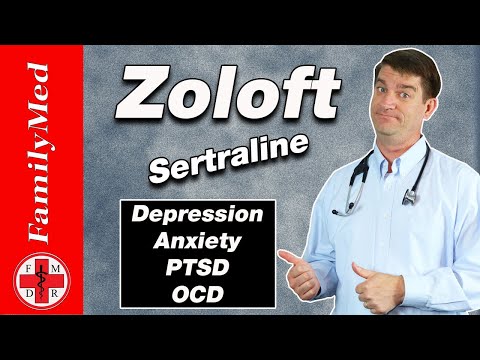
So, let’s talk about sertraline. You’ve probably heard of it, right? It’s one of those go-to meds for anxiety and depression. But here’s the deal: while it can work wonders for a lot of folks, it doesn’t come without its share of side effects.
You know how when you change something in your routine—like swapping your morning coffee for tea? It feels weird at first! Well, starting sertraline can be a bit like that. Some people sail through it, while others hit some bumps along the way.
Feeling curious about how these side effects can mess with your day-to-day life? Seriously, it’s important to chat about this stuff. We’re diving into what you might experience and how that might shake things up for you mentally. So grab a cup of something cozy; let’s just unpack this together.
Understanding the Emotional Impact of Sertraline: Effects on Mood and Well-Being
Sertraline, which is a type of medication called an SSRI (selective serotonin reuptake inhibitor), is often prescribed to help with conditions like depression and anxiety. When you start taking it, or even when you adjust your dose, it can have some emotional impacts that are worth discussing.
First off, it’s important to understand that everyone’s experience with this medication can be really different. Some people might feel a nice lift in their mood after a few weeks. Others though? Well, they might hit some bumps along the way. It’s a bit of a rollercoaster sometimes!
One common effect people notice early on is a shift in their feelings. You know those moments where everything feels heavier than usual? That can change once sertraline kicks in. Many report feeling less weighed down by their thoughts and are more capable of enjoying life’s little things again.
But here’s the thing: not everyone gets that nice lift right away, or at all! Some folks might experience side effects like feeling scattered, having trouble sleeping, or even experiencing emotional flatness—like everything’s happening in black and white instead of color. It’s not uncommon to hear someone say they feel “numb” or detached during this adjustment period.
Side Effects:
- Nausea: This can make starting sertraline feel rough.
- Sleep disturbances: Some have trouble sleeping—either too much or too little.
- Anxiety increase: A few people find their anxiety spikes before it gets better.
- Emotional blunting: Feeling less connected to emotions isn’t unusual; this can be frustrating.
For example, I once knew someone who started on sertraline and felt these weird bursts of happiness followed by sudden dips into sadness. It got them really confused at first because they hadn’t felt that up-and-down so intensively before. Over time, though, they found themselves stabilizing more as their body adjusted.
It’s also crucial to consider the extent of these effects on overall well-being. While some may feel lighter and more engaged with life after a while, others might find that the negative side effects take a toll on their motivation and relationships.
If you’re taking sertraline and something feels off—whether it’s your mood or how you’re reacting to everyday stressors—it’s totally okay to reach out for help! Sometimes just chatting about it with a therapist or doctor can make all the difference.
At its heart, understanding how sertraline affects your emotions is about knowing that the journey can be unpredictable but hopeful too! Just remember: if it doesn’t feel right at first—or even after some time—talking it out is key!
Understanding the Impact of Sertraline on Cognitive Function and Thinking Patterns
Sertraline, right? It’s one of those medications that people talk about when they’re dealing with anxiety or depression. It’s an SSRI, so it works by increasing the levels of serotonin in your brain. You know—the chemical that helps regulate mood? But let’s dig into how it might mess with your cognitive functions and thinking patterns.
First off, cognitive function refers to things like memory, attention, and problem-solving abilities. When you start taking sertraline, some folks report feeling a bit foggy at first. It’s like your brain is wearing a cozy blanket that’s just a tad too heavy. You might struggle with focusing or feel a little slow on the uptake.
Sure, it can help you feel calm, but if you’re nodding off during the day, it’s hard to think straight! It’s important to find the right balance between feeling less anxious and being able to stay awake and alert.
Some users mention that they forget things more easily or have trouble recalling information. Imagine walking into a room and totally blanking on why you went in there—that can be frustrating!
Now let’s talk about thinking patterns. After starting sertraline, some people notice they begin to view situations quite differently. If anxiety was clouding your judgment before—like seeing everything through a gloomy lens—sertraline might help clear that up over time.
That doesn’t mean everything is sunshine and rainbows right away; it might take some time for those changes to kick in. Change isn’t instant; it’s like waiting for bread to rise—it takes patience!
But watch out: while this adjustment can be great for many people, not everyone has the same experience with sertraline. Some say their creative juices feel stifled or even dulled as their emotions level out. Ever had a moment where you just can’t find the words? Yeah…that might be part of it.
And let’s not forget about anxiety spikes. For some individuals, especially early in treatment, increased anxiety isn’t uncommon either. Seriously! It’s ironic since you’re taking the medication to feel better—but sometimes your brain gives you that temporary curveball.
Ultimately, everyone reacts differently depending on their unique make-up and life experiences—so what works for one person may not do anything for another. Giving yourself grace during this process is super important.
Always keep an open chat with your healthcare provider about what you’re experiencing on sertraline because they’re there to help! Keeping track of any changes in how you think or function cognitively will only help them tailor treatment more effectively for you down the road.
So remember: while sertraline can be super helpful in managing feelings of anxiety and depression—it may also come along with some interesting twists regarding how you think and feel day-to-day.
Exploring the Impact of Sertraline on Personality Changes: What You Need to Know
Sertraline, you might know it as Zoloft, is a pretty common antidepressant from the selective serotonin reuptake inhibitor (SSRI) family. It’s mainly used to treat depression and anxiety disorders. But, you know, one thing people often wonder about is how it might affect their personality. So let’s explore that a bit.
First off, SSRIs like sertraline work by increasing serotonin levels in the brain. This can help lift your mood and reduce anxiety. But as with anything, there are side effects to consider, and some of those might feel like they’re changing who you are or how you behave.
- Emotional Blunting: Some people report feeling less emotional after starting sertraline. It’s like, maybe you used to cry during sad movies but now feel a little detached? This emotional dampening can be confusing and lead to concerns about losing parts of your personality.
- Increased Irritability: While many experience fewer mood swings on sertraline, others find themselves more irritable or easily frustrated. You could be sitting at a café, feeling really edgy over something small. That’s not exactly the chill vibe you want.
- Changes in Motivation: Sometimes people feel less motivated when they start taking sertraline. It doesn’t mean you’re lazy; it just might feel like that enthusiasm that used to drive you isn’t quite as strong anymore.
- Social Withdrawal: For some folks, feeling socially withdrawn can happen too. You may have loved hanging out with friends but now prefer binge-watching shows alone instead. Social settings can feel overwhelming even if they didn’t previously.
Now, here’s a little story for context: I once had a friend who started taking sertraline for anxiety. At first, it was great! She felt calmer and more in control. But after a couple of months, she told me she felt kind of numb—like she wasn’t really excited about anything anymore. She loved painting but stopped because she just didn’t care much about it anymore. That change left her questioning herself: Was this the medication or was this her?
It’s important to note that *not everyone* experiences these changes when they take sertraline or any SSRIs for that matter. Some find relief from anxiety without feeling any significant shifts in their personality at all.
What happens is these potential side effects often depend on individual factors like your mental health condition itself or maybe even your body chemistry—that’s just how complex this stuff is! And sometimes those feelings can improve over time as your body adjusts to the medication.
There also comes the question of balance—could adjusting the dosage help ease some of these effects? Or maybe talking through these changes with a therapist could shed light on what you’re experiencing? Seriously though—communicating these feelings with your healthcare provider helps them help *you*.
Ultimately, if you’re noticing changes in your personality while on sertraline—or even if you’re thinking about starting it—don’t hesitate to reach out and talk it through with someone qualified who can guide you based on what’s right for you specifically. You’re not alone in this journey!
So, let’s chat about sertraline for a sec. You know, that antidepressant people often take to help with depression and anxiety? It’s kind of a double-edged sword. On one hand, it can really help lift your mood or reduce those gnawing feelings of worry. But on the other hand, it comes with its own set of potential side effects that can affect how you feel day-to-day.
I remember a friend of mine started taking sertraline after feeling pretty low for months. At first, she felt a little more hopeful. But then, she began experiencing some unwanted side effects—like nausea and this weird feeling of being super tired all the time. It was so frustrating for her. She wanted to feel better but didn’t like how the meds made her feel physically. And honestly? That’s something many people face when starting any new medication.
Some folks could also get hit with anxiety spikes or insomnia as side effects. Imagine trying to tackle your anxiety with a medication that’s supposed to help but waking up at 3 AM just staring at the ceiling! That’s rough, right? And these reactions can make you feel even more isolated or misunderstood when you’re already dealing with mental health struggles.
You might wonder if it’s worth it or if switching things up is necessary. Seriously, that’s not an easy decision to make. It’s crucial to keep open communication with your doctor about what you’re experiencing because they may be able to adjust the dosage or recommend something else entirely.
And let’s not forget about emotional numbness—some people talk about feeling flat or disconnected from their feelings while on sertraline. It’s like being in a fog where happy moments don’t quite shine like they used to, or even sad moments lack their usual weight. That was another hurdle my friend faced; she just wanted to feel like herself again but felt stuck in this muted version of reality.
In the end, it seems like starting sertraline is kind of like a balancing act. You want relief from those heavy emotions without trading them for something else that makes life less vibrant. The key is finding what works best for you while keeping track of how you’re feeling through this journey—because mental health is deeply personal and everyone’s experience is unique!