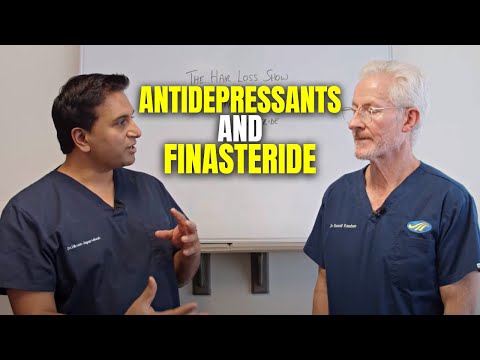
So, let’s talk about something that might surprise you. You know antidepressants, right? They can really help people who are feeling down. But there’s a twist here. Some folks have noticed they’re losing hair. Seriously!
It’s kind of wild how a little pill can mess with your mane. You’d think that feeling better would come with a full head of hair, not the opposite.
Well, if you’ve ever wondered what’s up with that, buckle up! We’re gonna dive into the link between antidepressants and hair loss—it’s more common than you might think!
Antidepressants and Hair Loss: Understanding the Connection and Common Medications
Sometimes, when you’re dealing with depression, medication like **antidepressants** can feel like a lifesaver. But what if I told you there’s a chance they could also lead to some surprising side effects? Yeah, we’re talking about hair loss here. It’s not fun to think about, but let’s break it down.
First off, it’s important to know that not everyone experiences hair loss when taking antidepressants. Some people might have no issues whatsoever. But for others, it can start as thinning or shedding more than usual. If you’ve ever found clumps of hair in the shower drain or noticed some bald spots, you might be feeling anxious about what’s happening.
Now, the connection between antidepressants and hair loss isn’t super straightforward. There are a few theories about why this happens. One explanation is that **certain medications** impact your hormone levels or interfere with nutrient absorption—which can mess with hair growth. Basically, if your body isn’t getting what it needs to support healthy hair follicles, they might just decide to go on vacation!
Here are some common types of antidepressants that have been linked to hair loss:
Hair loss from these medications often happens because they alter your body’s chemistry in ways that can disrupt normal hair cycles—like pushing hairs into the resting phase too soon.
But don’t lose hope! If you find yourself experiencing hair loss while on antidepressants, consult with your healthcare provider right away. They can assess whether it’s the meds or something else entirely causing the issue and discuss alternative treatments—or maybe even scaling back your dosage.
It’s essential to remember that managing mental health is key! For many people, the emotional benefits of taking antidepressants far outweigh temporary physical changes like shedding a few extra hairs. Your mental health should always come first.
If you’re dealing with anxiety about your appearance alongside depression, it’s totally normal to feel frustrated. You’re trying to improve one aspect of your life while facing challenges in another; it’s a lot to handle!
Overall, being informed helps you make better choices for yourself in consultation with professionals who understand both sides of the coin: mental well-being and physical health concerns like this one. So stay connected with your healthcare team and don’t hesitate to express your worries—your voice matters in finding solutions!
Top Antidepressants That Minimize Hair Loss: A Comprehensive Guide
Let’s talk about antidepressants and how they can mess with your hair. Seriously, it’s a thing! Some folks notice they’re shedding more hair than usual after starting these meds. But don’t freak out just yet—there are options that are less likely to cause hair loss.
First off, it’s important to remember that everyone reacts differently to medications. What makes one person lose hair like a dog in summer may not affect someone else at all. But if you’re worried, here are some antidepressants that seem to be gentler on your locks:
- SSRIs (Selective Serotonin Reuptake Inhibitors): These are the most commonly prescribed antidepressants. Medications like fluoxetine (Prozac) and sertraline (Zoloft) fall into this category. Generally, they have a better record for not triggering hair loss compared to others.
- SNRIs (Serotonin-Norepinephrine Reuptake Inhibitors): This group includes duloxetine (Cymbalta) and venlafaxine (Effexor). They also tend to be gentler on the scalp but still might not be for everyone.
- Bupropion: Known as Wellbutrin, this one is often praised for having a lower chance of causing hair loss. In fact, some people even report improved hair health when taking it!
- Mirtazapine: While it can cause weight gain and sedation, mirtazapine has been noted for having less impact on hair loss than other antidepressants.
Your experience might not match what others go through—because our bodies are just weird like that. And sometimes the dosage or how long you’ve been taking the medication can change things too. If you start noticing thinning or shedding, don’t hesitate to talk with your doctor about alternatives.
A good friend of mine was really struggling with depression but was also super concerned about her thinning hair. She started on sertraline and noticed no change in her hair at all—thankfully! But she always said it was so important for her to keep both her mental health in check and her confidence intact with healthy hair.
If you believe your antidepressant is causing your hair loss, do bring it up with your healthcare provider—they might suggest switching meds or add something else into the mix that’ll help mitigate any side effects.
The bottom line? Finding the right medication is a personal journey, and some trial-and-error can happen along the way. So take charge of your health and don’t hesitate to seek out help when you need it! Your mental well-being—and those luscious locks—are worth it!
Understanding Antidepressants and Hair Loss: A Comprehensive List of Medications That May Contribute to Thinning Hair
It’s a bummer when you’re trying to feel better with antidepressants, only to find out they might be causing your hair to thin. Seriously, it’s something many people don’t expect when they start their journey with these medications. So, let’s break it down.
First off, what exactly are antidepressants? Well, these meds help balance chemicals in your brain that affect mood and emotions. Common types include SSRIs (Selective Serotonin Reuptake Inhibitors), SNRIs (Serotonin-Norepinephrine Reuptake Inhibitors), and sometimes older classes like tricyclics.
Now, here’s the tricky part: some antidepressants may contribute to hair loss. It doesn’t happen to everyone, but if you’re noticing extra strands on your pillow or in the shower drain, it could be linked to what you’re taking. Let’s look at some of the medications that are known for this side effect.
- Fluoxetine (Prozac): This is a well-known SSRI. While effective for depression, some users have reported hair thinning.
- Sertraline (Zoloft): Another SSRI popular for anxiety and depression; it might also lead to hair loss in some people.
- Amitriptyline: This tricyclic antidepressant has been linked to hair shedding as well.
- Nefazodone: An antidepressant that can cause various side effects like weight gain and thinning hair.
So why does this happen? Well, it’s thought that changes in hormone levels due to these medications can affect your hair growth cycle. You see, our hair goes through different phases: growing, resting, and falling out. If those cycles get messed up because of hormonal shifts from meds, you might notice more falling out than usual.
Now let’s talk about emotions—a lot of people feel anxious about losing their hair while dealing with depression or anxiety already. It’s a double whammy! A buddy of mine once shared how tough it was for him when he started on medication for his anxiety but ended up feeling self-conscious about his thinning spots. It feels like another thing piled on top of everything else.
If you’re experiencing this side effect and it’s bothering you? Definitely chat with your doctor. They can help look into alternatives or even consider dosage adjustments. Just know you’re not alone; many have been there too.
In short, while antidepressants can be lifesavers for many battling mental health issues, they also come with surprising downsides—like potential hair loss. Recognizing this connection can help you make informed choices about what works best for your mental health without sacrificing how you feel about yourself overall. Remember—your mental health matters just as much as your physical appearance!
You know, it’s kinda wild how our bodies can react to things we take, isn’t it? Like, you might be popping some antidepressants to lift your mood and help with those heavy feelings, but then you find out they could also be causing your hair to thin out. Crazy, right?
I remember a friend of mine who started taking these meds after feeling really down for months. She had this gorgeous hair—thick and shiny, you know? But after a few months on antidepressants, she noticed clumps of hair coming out when she brushed it. It freaked her out! Since hair is such a big part of how we feel about ourselves, that just hit her even harder. She had enough struggles already; this seemed like an extra punch in the gut.
So here’s the deal: some people on antidepressants report hair loss as a side effect—like what’s up with that? The thing is, not every med will do this to everyone. Some folks are totally fine; others notice some thinning or shedding. It really varies based on the type of medication and individual body chemistry.
It seems to come down to how these medications work in the brain. They’re shifting around those neurotransmitters (you know—the chemicals that send signals), which can sometimes influence your body in unexpected ways. While they’re meant to balance mood and help you feel more like yourself again, they can also mess with your hair follicles.
But listen up—if you’re experiencing this kind of change, don’t just sit there feeling stuck! Talk to your doctor about what’s going on. There are options out there—maybe switching meds or adding something else can help tackle the issue without sacrificing your lovely locks.
It’s all about finding what works best for you because mental health is such a personal journey. And honestly? Your well-being includes not just your mood but everything about how you feel in your own skin—from the way you think to how you look and feel day-to-day.