Hey there! So, let’s chat about something that might not come up during dinner parties: antidepressants.
You know, those little pills that sometimes feel like a lifesaver when the world gets a bit too heavy? Yeah, those.
It’s kind of wild how many people out there struggle with feeling down and don’t know where to turn.
Whether you’re considering them or just curious, understanding your options can be super helpful.
In this little chat, I’ll share some examples of antidepressants and how they help folks like us navigate through the tough times.
Grab a comfy seat; we’re diving in!
Understanding Antidepressants: Their Role in Mental Health Treatment and Benefits
Antidepressants can sometimes feel like a bit of a mystery, you know? They’re often talked about in hushed tones or with skepticism. But really, they play a crucial role in mental health treatment for many people. So, let’s break it down together.
What are Antidepressants?
Basically, antidepressants are medications designed to help manage symptoms of depression and other mood disorders. They work on brain chemicals—stuff like serotonin and norepinephrine—that affect your mood. If those chemicals are out of whack, you might feel pretty low or anxious.
How Do They Work?
Each type of antidepressant has its own way of working, but the main goal is pretty much the same: to balance those neurotransmitters! You could think of them as kind of like your brain’s maintenance crew—keeping things running smoothly.
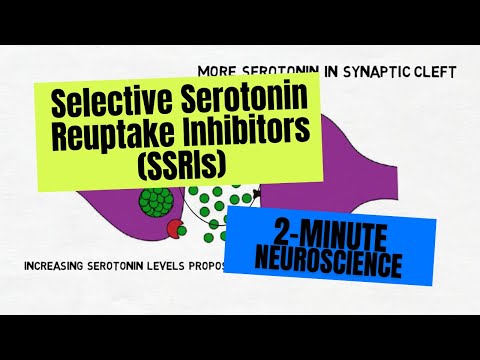
- SSRIs (Selective Serotonin Reuptake Inhibitors): These are probably the most common ones you hear about. They boost serotonin levels by blocking its reabsorption in the brain. Popular examples include Fluoxetine (Prozac) and Citalopram (Celexa).
- SNRIs (Serotonin-Norepinephrine Reuptake Inhibitors): Similar to SSRIs but also focus on norepinephrine. Medications like Duloxetine (Cymbalta) fall into this category.
- TCA (Tricyclic Antidepressants): These are older meds that aren’t as commonly prescribed now but can be effective for some people. An example would be Amitriptyline.
- MAOIs (Monoamine Oxidase Inhibitors): These can be used when other treatments haven’t worked but require dietary restrictions because they interact with certain foods.
The Benefits You Might Experience
When these medications work well for you, the benefits can be quite life-changing! Some folks notice a reduction in their depressive symptoms within weeks. You might feel more motivated to get out of bed or start engaging in things you used to love.
Another cool thing is that antidepressants can sometimes help reduce anxiety and increase your ability to cope with stressors in life too; it’s not just about feeling less sad. At least that was how it felt for my friend Sarah. She struggled for years with overwhelming feelings of sadness and emptiness and was hesitant about taking meds at first. But after giving it a shot with an SSRI, she found herself laughing again—not just faking smiles but actually experiencing joy.
The Downsides
But hold on—it’s not all rainbows and butterflies! There can be side effects, like weight gain or fatigue, and sometimes it can take some time to find the right medication or dosage that works for you without those pesky side effects rearing their heads.
And let’s not forget about withdrawal symptoms when coming off them after long-term use—you really shouldn’t just stop taking them suddenly without consulting your doctor!
It’s super important to have open discussions with your healthcare provider so they can help guide you through this journey based on what you’re experiencing personally.
In a nutshell, antidepressants can offer significant support alongside therapy and lifestyle changes if you’re facing mental health challenges. They’re definitely worth considering if you’re feeling stuck in that dark place—just remember that finding the right fit might take some time.
Top Medications Prescribed for Common Mental Health Disorders: A Comprehensive Guide
When it comes to mental health, medications can play a big role in helping people manage various conditions. Choosing the right one can feel overwhelming because there are so many options. Let’s break down some of the top medications typically prescribed for common mental health disorders, especially antidepressants.
Antidepressants come in several classes, and each works a bit differently. They’re commonly used for conditions like depression and anxiety, but also for other issues like OCD or PTSD. Here’s a look at the main types you might hear about:
- SSRIs (Selective Serotonin Reuptake Inhibitors): These are often the first go-to for doctors when treating depression or anxiety. They work by increasing serotonin levels in the brain, which can help lift your mood. Examples include fluoxetine (Prozac), sertraline (Zoloft), and escitalopram (Lexapro).
- SNRIs (Serotonin-Norepinephrine Reuptake Inhibitors): These guys are similar to SSRIs but also affect norepinephrine—a different neurotransmitter that can influence mood and energy levels. Common examples are venlafaxine (Effexor) and duloxetine (Cymbalta).
- TCA (Tricyclic Antidepressants): These are older meds that aren’t as commonly prescribed anymore due to side effects but can still be effective, especially for severe depression. Examples include amitriptyline and doxepin.
- MAOIs (Monoamine Oxidase Inhibitors): Another older class, MAOIs need careful monitoring because they can interact with certain foods and other medications. But they can work well for some people who don’t respond to other treatments—like with drugs such as phenelzine, or safinamide.
- Atypical Antidepressants: This category includes various agents that don’t fit neatly into other classifications. A popular one is bupropion, which is good for people who struggle with energy or concentration issues.
Starting on these meds usually isn’t just about popping a pill and hoping for the best! You might experience side effects while your body adjusts to them—like nausea, weight gain, or drowsiness—but these often fade over time.
And let me tell you a little story: I once met someone named Sarah who had been battling depression after losing her job. She was skeptical about medication at first because she worried about becoming reliant on it. After talking with her doctor about her options, she decided on an SSRI—sertraline.. It took a few weeks to kick in fully, but eventually, she noticed she was feeling more like herself again: getting back into hobbies she loved and reconnecting with friends.
Of course, medication isn’t the only piece of the puzzle; therapy often works hand-in-hand with it for better results. It’s crucial to have regular check-ins with your doctor to see how things are going too.
There’s no one-size-fits-all answer when it comes to antidepressants—what works wonders for one person might not do much for another. The important thing is that you feel supported along the way while finding what helps you thrive!
Exploring the Effectiveness of Antidepressants for Treating Anxiety: What You Need to Know
When it comes to treating anxiety, antidepressants can play a surprisingly big role. Many people think of them just for depression, but they can also help manage anxiety disorders. So what’s the deal?
First off, some antidepressants target anxiety more effectively than others. Selective serotonin reuptake inhibitors (SSRIs) are often the go-to choice. Medications like fluoxetine (Prozac) and sertraline (Zoloft) are pretty common in this category. They work by increasing serotonin levels in the brain, which can help boost your mood and reduce anxiety.
Another group called SNRIs is worth mentioning too. These include drugs like venlafaxine (Effexor XR). SNRIs not only affect serotonin but also norepinephrine, another brain chemical linked to mood regulation. That double whammy makes them effective for some people dealing with anxiety.
Now here’s where things get a little tricky: not everyone responds the same way to these meds. You might find that one works wonders for you while someone else feels nothing at all. And that’s totally normal! It’s super important to have an open convo with your doctor about what’s going on, so they can help you figure out what might be best.
Side effects? Yup, they’re a thing too. From mild ones like nausea or headaches to more serious stuff like increased heart rate or changes in sleep patterns. It’s all part of the package deal when you start taking medication. But hang tight – many side effects diminish over time as your body adjusts.
One emotional journey I wanna share is about a friend who battled severe anxiety for years before finally talking to their doctor about it. After trying a few different SSRIs, they landed on sertraline and started feeling noticeable relief after just a few weeks! They told me how strange yet amazing it felt to finally have some peace in their mind.
Still, medication isn’t always the whole answer—no magic pills here! Pairing them with therapy often brings even better results. Talk therapy can give you tools and coping strategies while the meds help level out those anxious feelings.
So yeah, if you’re considering antidepressants for anxiety or just curious about them, know that they’re an option worth discussing with your healthcare provider. Just remember that finding the right fit can take time—and that’s perfectly okay! Your mental health journey is unique to you, so be patient and keep advocating for yourself along the way!
So, let’s talk about antidepressants, shall we? You see, these medications can be a real game-changer for people dealing with depression or anxiety. Now, I’m not saying they solve everything—because life’s way more complicated than that—but they can help lift some of that heavy fog hanging over your head.
Imagine a friend who’s been feeling super low for quite a while. They’re struggling to get out of bed in the morning and just can’t find joy in things they once loved. Maybe it’s the music you used to blast in the car or those weekend hikes you both enjoyed. So they finally decide to talk to a doctor about it. After some discussion, their doctor prescribes them an antidepressant like fluoxetine (Prozac). It takes a bit of time—usually a few weeks—but eventually, they start feeling more like themselves again. That weight they’ve been carrying slowly starts to lift.
Now, there are various kinds of antidepressants out there. Some are called SSRIs (Selective Serotonin Reuptake Inhibitors), like sertraline (Zoloft) and escitalopram (Lexapro). These work by increasing levels of serotonin in your brain, which is known as that happy chemical. Then you’ve got SNRIs (Serotonin-Norepinephrine Reuptake Inhibitors), such as venlafaxine (Effexor) that target both serotonin and norepinephrine—another neurotransmitter related to mood.
But here’s the thing: what works wonders for one person might not work at all for another. Medication is super personal! Sometimes it feels like you’re trying on shoes until you find the perfect fit. And yeah, there can be side effects too—like nausea or trouble sleeping—but doctors usually keep an eye on that stuff.
Anyway, if someone decides to go this route, it’s often paired with therapy too because combining both can create a fuller support system for mental health. It’s like having your cake and eating it too—you get meds helping balance your brain chemicals while talking things through could help sort out emotional stuff you’ve been holding onto.
So if you or someone you know is considering antidepressants, just know it’s an option worth exploring—and remember that it’s totally okay to ask questions and have conversations around it!