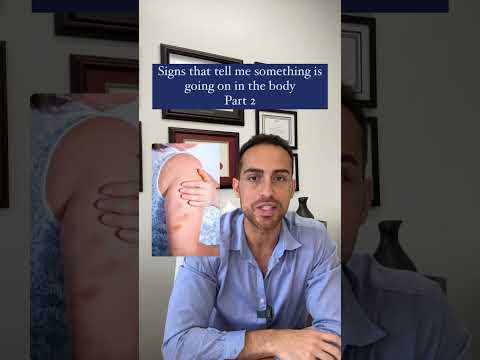
You know when you start a new medication and you’re just trying to figure out what’s what? It’s like, one day you’re feeling hopeful and the next, bam! You notice something weird.
A buddy of mine was on antidepressants for a bit, feeling better, but he suddenly started getting these strange bruises all over. It’s honestly a little unsettling.
So, here’s the thing—while these meds can really help improve mood, some side effects can creep up unexpectedly. And yeah, uncommon bruising is one of those things that can catch you off guard.
Let’s talk about what’s going on with this stuff and why it might be happening. Because understanding your health shouldn’t feel like solving a mystery, right?
Understanding Random Bruises on Women’s Legs: Causes and Insights into Female Health
When you notice random bruises on your legs, it might leave you thinking, “What the heck happened?” Especially if those bruises seem to pop up outta nowhere. It’s important to understand that there can be several reasons behind this.
First off, some people just bruise easier than others. That’s totally normal and can depend on things like your skin tone, age, and even genetics. As we get older, our skin becomes more fragile and the blood vessels become more sensitive. So yeah, a little bump might result in a bruise that lasts longer than it used to.
Now, let’s talk about medications. You might not even think about this one right away, but certain medications—like **antidepressants**—can lead to unusual bruising. They affect blood clotting factors in your body. Some specific antidepressants might interfere with platelets (the cells responsible for clotting), making you more prone to bruising easily.
It’s not just about antidepressants though; some other meds can also have this effect:
- Blood thinners: Medications like warfarin or aspirin help prevent blood clots but increase the chance of bruising.
- Corticosteroids: These can thin the skin over time and make it easier to bruise.
- Antibiotics: Rarely cause bleeding disorders which could lead to unexplained bruises.
If you’ve been on something like an antidepressant or any new medication lately and see these random bruises show up, it’s worth chatting with your doctor.
Then there are some health conditions that might come into play here too. For example:
- Liver disease: This can affect the body’s ability to produce proteins necessary for clotting.
- Blood disorders: Conditions like thrombocytopenia (low platelet count) can seriously mess with how you bleed and bruise.
- Nutritional deficiencies: Lacking vitamin C or K might make you more susceptible to those pesky marks.
And hey, sometimes it could just be life! Bumping into things while carrying groceries or tripping over your own feet happens all the time. But if there are no obvious reasons for them and they keep appearing? You definitely want to get that checked out.
Emotionally speaking, dealing with unexplained physical symptoms can be super anxiety-inducing! Picture yourself getting ready for a night out and spotting an ugly bruise right where you’re planning to flaunt those legs! It can feel uncomfortable and make you wonder what’s going on inside your body.
Don’t hesitate—if random bruises are becoming a regular thing for you or if they’re bothering you emotionally or physically? It’s time for a chat with a healthcare professional. They’ll help pinpoint what’s happening so you don’t have to worry alone. Remember: You’re not just dealing with your body; you’re also taking care of your thoughts and feelings along the way!
Exploring the Benefits of Green Tea: Can It Help Reduce Bruising?
Hey, let’s chat about green tea and its potential benefits, especially when it comes to bruising. You know, sometimes we hear about these quirky links between what we eat and how our body reacts. In this case, people have been wondering if green tea might do something cool for bruising, especially in relation to certain antidepressants that can, unfortunately, make you more prone to it.
First off, let’s talk about **bruising** itself. It happens when small blood vessels break under your skin. When you bump into something or fall—boom!—blood leaks out and that purply-blue mark shows up. Some medications can thin your blood or affect clotting factors, which leads to more frequent bruises. This is something people on certain antidepressants need to keep in mind.
Now, enter **green tea**. Packed with antioxidants called catechins, green tea has some anti-inflammatory properties. There’s a chance these antioxidants could help reduce the severity of bruises by supporting blood vessel health and reducing inflammation around the area where you got hit.
You might be wondering how this works? Well, catechins tend to improve circulation and strengthen capillaries (those tiny blood vessels). When your capillaries are healthier, they’re less likely to break with minor trauma.
Here are a few points about green tea’s potential benefits:
But let’s be real for a second; while drinking green tea sounds like a good idea—it’s not a magic cure-all for bruising! If you’re on medication that makes you bruise easily, chatting with your doctor about it is key. They could have insights or adjustments that could really help.
Also, fun fact! Some studies suggest that certain herbal remedies may also provide additional benefits for the skin when bruised but always double-check before mixing things up with supplements or herbs.
So next time you’re sipping on that warm cup of green goodness after a long day or even just adding it into your daily routine—remember it won’t hurt to explore its potential benefits when it comes to healing those pesky blue marks! Just keep an open dialogue with your healthcare provider if you’ve noticed changes in how easily you bruise since beginning any new medication.
And hey—you deserve some peace of mind along with those antioxidants!
Unexplained Bruising: Understanding the Possible Causes and Psychological Links
Unexplained bruising can be pretty concerning. You wake up one day, look in the mirror, and see a bruise that wasn’t there the night before. It’s like a mystery, right? Bruises happen when small blood vessels break under the skin, usually from some sort of impact. But what if you can’t recall any bump or knock? That’s when things get interesting.
Medications can cause bruising. One common culprit is antidepressants, especially those that affect blood clotting. For example, selective serotonin reuptake inhibitors (SSRIs) are popular for treating depression and anxiety. They might increase your chances of bleeding or bruising because they affect how platelets—the tiny cells in your blood—stick together. When this happens, you may find yourself with more bruises than usual.
Another point to consider is underlying health conditions. Conditions like liver disease or blood disorders can lead to unexplained bruising too. Your liver plays a big role in making proteins that help your blood clot. If it’s not working well, you might notice more bruises popping up.
But let’s talk about something else here: the psychological links. The mind-body connection is pretty powerful. Stress and anxiety can make us more aware of physical sensations or even increase muscle tension, which might lead to accidental bumps and bruises we wouldn’t otherwise notice.
Also, think about how mental health issues can affect our physical health habits. Someone who’s feeling really low might not take care of themselves as well—like skipping meals or not getting enough sleep—which can affect their overall wellbeing. Poor nutrition can weaken your skin and blood vessels, making you more susceptible to bruising.
Now let’s look at an example from real life; imagine a friend named Jake who started taking an SSRI for depression. After a few weeks of treatment, he notices random bruises on his arms and legs but can’t remember hurting himself. At first, he panics—what’s wrong with him? After talking to his doctor, he learns that the medication could be contributing to this issue because it affects his platelet function. Once they adjust his medication and he gets a bit healthier overall—eating better and reducing stress—the unexplained bruising becomes less frequent.
So if you’re finding weird bruises on your body without an explanation like Jake did, it’s essential to consider both the physical and emotional sides of things. And seriously? Talk to a healthcare professional! They’re there to help sort out why these things are happening since it could involve changing medications or addressing other health issues.
Finally, remember: keeping track of when these bruises appear and anything else going on in your life can provide valuable information for your doctor. Sometimes just being aware helps you feel more in control over what’s happening with your body—and that’s super important!
So, you know how when you’re feeling down, and sometimes people turn to medications like antidepressants? They can really help lift that heaviness. But there’s this thing that’s been popping up in the news about antidepressants and bruising. Yeah, I know—sounds a bit odd, right? Bruising isn’t exactly the first thing you think of when someone mentions mental health meds.
I was chatting with a friend the other day who had been on these meds for a while. She shared how one day she looked in the mirror and noticed these weird bruises on her arms—like little patches of purple that weren’t there before. After some back-and-forth with her doctor, they realized it might be linked to the antidepressants she was taking. It freaked her out! I mean, who wants to deal with unexpected bruising on top of everything else?
What’s happening is that certain antidepressants can affect your blood clotting process. So, when you bump into something or even just scratch your skin lightly, it can lead to more noticeable bruising than usual. It’s not super common but enough for doctors to pay attention.
It’s a reminder of how we often focus on the benefits of these medications but sometimes forget about the side effects too. Sure, they can help stabilize moods and bring sunshine back into our lives, but there are trade-offs involved. If you’re on these meds and notice any strange bruising—or honestly anything unusual—it’s crucial not to just shrug it off or google it obsessively (we’ve all been there!). Chatting with a healthcare professional is always the right move.
A lot of times mental health feels like such an uphill battle already; adding physical quirks into the mix can feel discouraging. But being aware helps us navigate through this weird landscape better! It’s all about finding what works best for you while paying attention to how your body reacts overall.
So if you or someone you know is on antidepressants and starts seeing those pesky purple marks popping up unexpectedly—don’t wait around! Reach out for help!