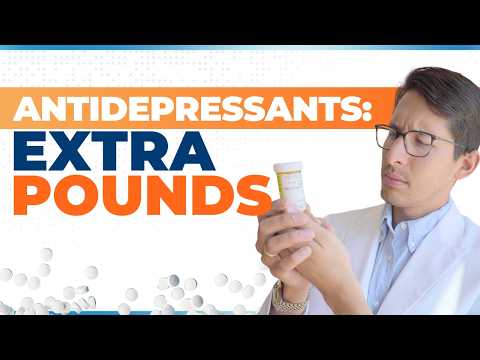
Okay, so let’s talk about something that doesn’t get enough airtime—antidepressants. You know, those little pills that are supposed to help lift the cloud hanging over your head?
But here’s the thing: a lot of folks worry about side effects like sweating buckets or packing on extra pounds. Seriously, who wants to trade one struggle for another?
So, if you’re in that boat, hang tight. We’re gonna dive into some meds that aim to keep things balanced—mentally and physically. Wanna figure out which options could help you feel good without throwing a wrench in your routine? Let’s dig in!
Exploring Antidepressants: Effective Solutions for Reducing Sweating
Antidepressants can sometimes be a tricky business, especially if you’re dealing with side effects like sweating and weight gain. You know, it’s not just about feeling better mentally; it’s also about navigating the physical stuff that comes with these medications.
When we talk about antidepressants, we’re mainly looking at a few classes of drugs, like SSRIs (Selective Serotonin Reuptake Inhibitors) and SNRIs (Serotonin-Norepinephrine Reuptake Inhibitors). These are pretty common for treating depression. But one thing to keep in mind is how your body reacts to them. For some people, excessive sweating might just be part of the package deal.
SSRI medications, such as sertraline or fluoxetine, can sometimes cause increased sweating. This happens because they boost serotonin levels in your brain—which is super helpful for mood—but they can also rev up your sweat glands in some cases. It’s really a mixed bag.
On the other hand, SNRIs, like venlafaxine, have been known to cause similar issues with sweating too. But here’s where it gets interesting: Some antidepressants may actually help reduce excessive sweating in certain individuals.
And you might wonder about weight gain—oh boy! That’s another concern people often mention when starting these medications. Some folks find that certain antidepressants make them feel hungrier or lead to weight changes. That’s definitely something worth keeping an eye on if you’re trying to maintain or lose weight.
Medication choice is super personal, though! What works wonders for one person may be totally different for someone else. So if you’re finding yourself drenched or feeling like you’ve put on extra pounds after starting a new med, don’t hesitate to chat with your healthcare provider about it.
They might suggest trying a different medication or adjusting dosages. There are tons of options out there that could work better without those pesky side effects popping up so much.
Ultimately, it’s all about finding the right balance between managing your mental health and feeling comfortable in your skin—literally! Keep an open line of communication with your doctor throughout this process; you deserve to feel good inside and out!
The Best Antidepressants for Weight Loss and Increased Energy: A Comprehensive Guide
Antidepressants can play a significant role in managing mental health, but they sometimes come with side effects you wouldn’t want, like weight gain or fatigue. So, if you’re searching for options that might help with weight loss and boost your energy while treating depression, here’s what’s worth knowing.
Types of Antidepressants
There are different classes of antidepressants out there, and not all are created equal. Some might cause weight gain and others might not. Here’s a quick breakdown:
- SSRIs (Selective Serotonin Reuptake Inhibitors): These are commonly prescribed for depression. Some people might find that they don’t lead to significant weight changes, while others do experience weight gain. Fluoxetine (Prozac) is an SSRI often discussed because it can lead to weight loss in some cases.
- SNRIs (Serotonin-Norepinephrine Reuptake Inhibitors): Similar to SSRIs but also target norepinephrine. Duloxetine (Cymbalta) can sometimes cause less weight gain compared to others.
- Bupropion (Wellbutrin): This one stands out because it’s often associated with weight loss rather than gain. It can also increase energy levels—which is a big plus.
- Tricyclics: Generally effective but commonly linked to weight gain and other side effects that might not be ideal if you’re looking to slim down.
Side Effects to Consider
Now, aside from the potential for weight change, you’ve got other side effects in the mix too. Sweating is another common culprit when taking certain antidepressants. If excessive sweating is an issue for you, here are some points:
- Some SSRIs may increase sweating—definitely something to keep in mind.
- Bupropion typically has a lower risk of this side effect compared to others.
Your Individual Needs Matter
Everyone’s body reacts differently. That’s why it’s super crucial to have a chat with your healthcare provider about your individual experience with depression and what you’re looking for in terms of side effects. You could be the person who does well on an SSRI or maybe Bupropion will be your best friend.
Usual anecdotes show how personal this journey can be—like my friend who struggled with constant fatigue until she switched her medication and found a right fit that helped her feel more like herself again.
Finding Balance
Keep in mind that lifestyle plays a monumental role too. Eating well and staying active can buffer some of the unwanted effects that come with antidepressants.
So, while looking at which meds could help minimize unwanted side effects like sweating or gaining weight, remember it’s about finding what works for YOU in managing both your mood and your overall health!
Talk things through with your doc so you’re on the path that’s right for you!
Exploring the Effects of Lexapro on Sweating: Can This Antidepressant Reduce Excessive Sweating?
Antidepressants can sometimes cause some pretty weird side effects, and one of those is sweating. Let’s talk about Lexapro, which is often used to help with anxiety and depression. Now, if you’re someone who sweats a lot, you might be wondering if Lexapro could, in any way, reduce that.
First off, excessive sweating—also known as hyperhidrosis—isn’t always linked to how you feel mentally. But stress and anxiety can definitely crank up the sweat factor. Some folks find that when they’re calmer due to meds like Lexapro, they start sweating less. Makes sense, right? Less anxiety equals less sweat.
However, here’s the kicker: while Lexapro helps many people manage emotional symptoms, it can also have its own set of side effects. For some users, **sweating** may actually increase instead of decrease. It’s a bit of a roll of the dice because everyone reacts differently to medication.
Here are some key points about Lexapro and sweating:
As an example, one user shared that after starting Lexapro, they noticed their anxious fidgeting decreased significantly—along with their tendency to sweat through shirts during meetings at work. That’s a win-win! But another person reported feeling drenched after just a short walk when they started taking it.
If you’re considering or currently on Lexapro and are worried about sweating—whether it’s too much or not enough—talking to your doctor is key. They know your history and can help figure out if this med’s right for you or if there are better options out there.
In short, while some folks might notice reduced sweat due to decreased anxiety levels on Lexapro, others could face increased perspiration as a side effect. Listen to your body! Your experience is valid whether it leads to comfort or just another layer of frustration with medication adjustments.
Alright, so here’s the deal. When we talk about antidepressants, it can get a little complicated. You know? There are tons of different kinds out there, and they all have their own quirks. Some folks might worry a lot about side effects like sweating and weight gain. I mean, who wants to add that to an already tough situation, right?
So, let me just share a quick story. A friend of mine was struggling with depression for a while. She finally got the guts to see a therapist and was prescribed some meds. Initially, she felt a bit of relief, but then she noticed she was sweating like crazy and gaining weight — both things that made her feel even worse about herself. It’s like you’re trying to help one problem but adding another layer to the onion.
Anyway, there are actually antidepressants specifically aimed at minimizing those pesky side effects. Medications like bupropion come up often in these conversations since they tend not to cause weight gain and have less impact on sweating. It’s like finding that perfect pair of jeans—hard to come by but so rewarding when you do.
It’s important for anyone considering these meds to really talk it out with their doctor or shrink because everyone’s body reacts differently. What works for one person could be a dud for another. And if weight gain or sweating is something that’s on your mind, don’t hesitate to bring it up! Seriously.
At the end of the day, managing mental health can sometimes feel like walking through a minefield — tricky and unpredictable at best. But knowing that there are options out there tailored for your specific needs can take away some of that anxiety.
So if you or someone you know is stuck in this space with antidepressants, just remember: it’s totally okay to voice those concerns and advocate for what feels right for you! You deserve support without extra baggage tagging along!