So, let’s chat about something that might surprise you: antihistamines. Yeah, the stuff you take for allergies. You know how they can make you feel all sleepy and relaxed? Well, it turns out they might help with anxiety too. Crazy, right?
I mean, who knew that a little pill could do more than just clear your sinuses? It’s like finding out your favorite snack has hidden benefits.
Picture this: you’re feeling anxious about something big—maybe a presentation at work or just life in general. You’re not alone; we’ve all been there. Sometimes you just want a little relief without diving into heavy meds or therapy.
That’s where these little guys come in—antihistamines might have a role you didn’t expect! Let’s unpack this together.
Top Antihistamines for Anxiety Relief: Which One Works Best?
Antihistamines are usually known for tackling allergies, but some folks find they can help with anxiety too. Let’s break it down a bit.
First off, what are antihistamines? They’re medications that block histamine, a compound your body makes during allergic reactions. But they also have effects on the brain, which might ease anxiety symptoms for some people. Isn’t that interesting?
So, when it comes to anxiety relief, not all antihistamines are created equal. Here are some commonly mentioned ones:
- Diphenhydramine: This is probably the most popular one. You might know it as Benadryl. It can make you sleepy and calm you down, which could help if you’re feeling anxious at night.
- Doxylamine: Another sedating antihistamine often found in sleep aids like Unisom. It helps with relaxation and sleep but isn’t typically used for daily anxiety management.
- Hydroxyzine: A prescription medication that’s part of the antidepressant family but works like an antihistamine. It’s got a calming effect and doesn’t make you as drowsy as some others, so it’s often recommended for anxiety.
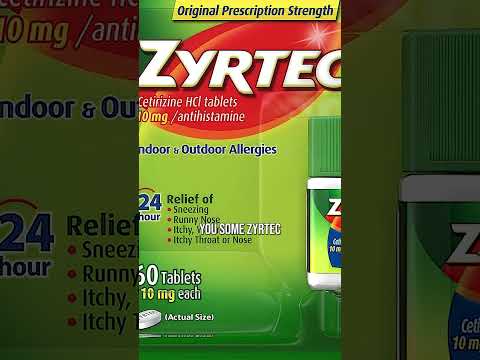
- Cetirizine: Brand name Zyrtec is usually all about allergies, but has mild sedative effects too. Some have reported feeling less jittery after taking it.
The thing is, while antihistamines can provide temporary relief, they aren’t a long-term solution for anxiety issues. They can cause side effects like drowsiness or dizziness—not exactly fun if you have stuff to do! Also, there’s the potential for dependency if used regularly.
I remember a friend of mine who dealt with panic attacks during important meetings at work. She tried using diphenhydramine before presentations because of its calming effect. Sure, she felt chill afterward, but she also struggled to stay focused; it was a trade-off that wasn’t sustainable in the long run.
If you’re considering using an antihistamine for your anxiety symptoms, it’s really important to chat with a healthcare professional first—especially since everyone’s different and what works for one person may not work for another.
So yeah, while there’s some overlap between how these meds might help with anxiety and their traditional uses, don’t expect them to solve everything on their own! Think of them more as temporary aids than full-fledged treatments. Exploring other strategies—like therapy or mindfulness techniques—could provide more lasting relief without side effects.
In summary: antihistamines can be one tool in your toolbox when dealing with anxiety symptoms, but definitely talk to someone who knows their stuff before jumping on board!
Exploring the Connection: Can Famotidine Alleviate Anxiety Symptoms?
So, let’s talk about famotidine and its possible connection to anxiety. Famotidine is primarily known as an antihistamine, mainly used to treat conditions like heartburn or ulcers. But there’s been some buzz about whether it could help with anxiety symptoms too. Isn’t that interesting?
You’re probably wondering how that even works. Well, here’s the thing: anxiety often messes with our brain chemicals. It’s not just in your head; it can affect lots of physical processes too. The idea here is that famotidine might somehow influence those processes—like the stress response—and offer some relief.
Now, while famotidine isn’t classified as an anxiolytic (which means it’s not a go-to med for anxiety), some people have reported feeling less anxious after taking it. This could be because famotidine impacts the histamine receptors in your brain, which might play a role in how you handle stress.
Here are a few key points to consider:
- Histamine and Anxiety: Histamine is more than just a culprit for allergies; it’s involved in regulating several brain functions, including mood and emotional responses.
- Research Findings: Some studies suggest that certain antihistamines can have a calming effect, but evidence specifically linking famotidine to reduced anxiety is limited.
- Personal Experiences: You may hear stories from friends or online forums where someone swears by taking famotidine for their anxious moments—this doesn’t mean it’ll work for everyone.
Just to throw in an example: I once knew someone who took famotidine for chronic stomach issues and found they felt calmer overall. They linked this newfound calmness to the medication, but it was hard to tell if it was really helping with their anxiety or just managing physical discomfort better.
But look, it’s super important to keep in mind that everyone responds differently to medications. If you’re thinking about trying famotidine for anxiety, definitely have a chat with your doctor first. They know your health history and can help figure out what makes sense for you.
In summary, while the connection between famotidine and anxiety is intriguing, more research is needed before we start recommending it as an anxiety treatment. It might work for some folks but not others—so always take care of yourself and don’t hesitate to seek professional guidance!
Top Antihistamines for Managing Anxiety: A Comprehensive Guide
Alright, let’s talk about **antihistamines** and how they might play a role in managing anxiety. You might be wondering what the connection is. Basically, antihistamines are typically used to treat allergies, but some of them can also help with anxiety symptoms. Let’s break it down in a way that makes sense.
First things first—what are antihistamines? They’re drugs that block histamine, a substance in the body that plays a key role in allergic reactions. But, some antihistamines have side effects that affect the brain. This can lead to feelings of calm or drowsiness, which might make them appealing for folks dealing with anxiety.
Now, here are some common antihistamines you might hear about:
- Diphenhydramine: This one’s probably best known as Benadryl. It can make you drowsy and is often used as a sleep aid.
- Doxylamine: Similar to diphenhydramine and often found in nighttime cold medications.
- Hydroxyzine: This one is actually prescribed for anxiety more than the others. It can help calm you down without making you super sleepy.
- Cetirizine and Loratadine: These are less sedating but they can still have some calming effects.
So how does all this tie into anxiety? The thing is, when you’re feeling anxious or stressed, your body goes into overdrive, right? Your heart races, you might sweat more, and everything feels heightened. Antihistamines like hydroxyzine can help mitigate those feelings by slowing down your nervous system a bit.
But hold on—while these meds might help someone feel calmer in the short term or during panic attacks, there’s gotta be more to it than just popping a pill. That’s just part of the puzzle! You should really think about therapy or other coping strategies too.
A friend of mine once told me about her experience with hydroxyzine when she was dealing with intense anxiety before a big presentation at work. She said it took the edge off her nerves nicely without feeling foggy afterward. But she also emphasized how much she benefited from cognitive-behavioral therapy (CBT) alongside using medication whenever necessary.
It’s important to remember that everyone reacts differently to medications. What works wonders for one person could totally flop for another—or come with unwanted side effects like dry mouth or dizziness. Always chat with your doctor before trying anything new because they’ll consider your unique circumstances and medical history.
And just so we’re clear—antihistamines aren’t typically first-line treatments for anxiety disorders like generalized anxiety disorder (GAD) or panic disorder. They might be considered under certain conditions but there are other options like antidepressants or therapy that are usually recommended first.
In summary, while some antihistamines have potential benefits for managing anxiety symptoms due to their sedative effect, they’re not a cure-all solution. You gotta weigh the pros and cons with your healthcare provider and explore holistic approaches alongside medication if needed!
So, let’s chat about antihistamines and anxiety. You might think of antihistamines as those little pills we take when pollen is out there trying to attack us during springtime. But hey, they’ve also got an interesting side gig in the world of anxiety relief.
Picture this: You’re at a family gathering, and suddenly your heart starts racing like you just downed way too much coffee. That familiar knot in your stomach tightens, and all you want is to escape the crowd. It’s tough, right? Well, antihistamines can provide a little relaxation boost for some folks struggling with anxiety in moments like that.
Here’s the thing: Certain antihistamines work by blocking histamine receptors in the brain, which can lead to sedative effects. So when you’re feeling that anxious itch creeping up on you, these meds might help calm things down a bit. But it’s not all sunshine and rainbows—like everything else in life, they come with pros and cons.
Some people find they don’t help much at all or feel groggy afterwards. Not exactly the best idea if you’ve got a big meeting or are planning to drive somewhere. I remember when a friend of mine tried taking them before his first date because he was super nervous. He ended up feeling so drowsy he could barely keep his eyes open! Not exactly how he pictured that night going.
So here’s the scoop: if you’re considering antihistamines for anxiety symptoms, definitely talk it over with a healthcare professional first. They can help you weigh the benefits against any potential downsides based on your unique situation. And remember—what works for one person might not work for another.
In short, while antihistamines can sometimes lend a hand when anxiety strikes, it’s good to approach them with caution and clarity. It’s all about finding what feels right for you in those moments of stress. Life’s too short to feel totally overwhelmed all the time!