Okay, so let’s talk antipsychotics. You’ve probably heard of them, right? They’re those medications that can really help folks struggling with serious mental health stuff.
But here’s the thing: they’re not just magic pills. There’s a lot going on behind the scenes. It’s fascinating and, honestly, kind of complicated.
Like, imagine you’re dealing with something really heavy—hallucinations or extreme mood swings. Antipsychotics can be a game changer in helping manage those symptoms.
And it’s not all rainbows and sunshine either; there are side effects to think about. So, what gives? Let’s break it down together.
Understanding Antipsychotic Drugs: Their Role and Benefits in Mental Health Treatment
Antipsychotic drugs are a big part of treating serious mental health conditions, like schizophrenia and bipolar disorder. These meds help manage symptoms that can really disrupt daily life. So, let’s break this down, you know?
What Do Antipsychotic Drugs Do?
Basically, they work by altering the way your brain processes certain chemicals. The primary players here are neurotransmitters, especially dopamine. Dopamine is linked to feelings of pleasure and reward but can also stir up problems when there’s too much of it in the brain.
Types of Antipsychotic Drugs
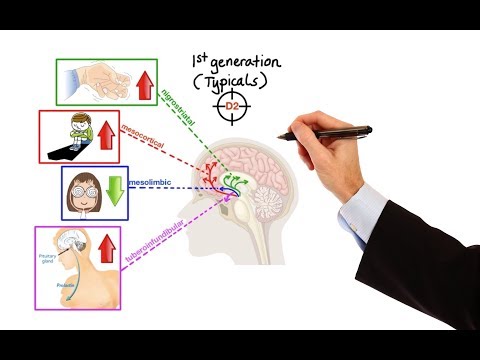
There are two main categories: typical and atypical antipsychotics.
- Typical antipsychotics
These have been around a long time. They’re great for managing symptoms but can come with some side effects like stiffness or shaking.
- Atypical antipsychotics
These newer ones tend to have fewer side effects related to movement. They are often used more today because they can treat both positive symptoms (like hallucinations) and negative ones (like lack of motivation).
Benefits in Treatment
You know, the best part is how these medications can really improve someone’s quality of life. Imagine feeling trapped by your own mind—hallucinating or struggling to connect with others. With the right medication, you might find clarity and regain control over your thoughts and actions.
But it’s not always sunshine and rainbows! Finding the right med can take time. Everyone reacts differently, which means it’s a bit like finding a key that fits just perfectly into a lock.
Real-World Example
Let’s say you have a friend named Jake who has been diagnosed with schizophrenia. He used to struggle with hearing voices that weren’t there. It made him anxious and isolated from friends and family. After starting an atypical antipsychotic, he noticed his symptoms lessening over time. He began engaging more in social activities again—like playing video games with his buddies—which was huge for him!
Side Effects Are Real
While they’re beneficial, antipsychotics do come with potential side effects that vary by person and medication type. Some might experience weight gain or drowsiness; others might deal with dry mouth or blurred vision.
It’s important for you or someone else taking these meds to maintain open dialogue with their healthcare provider about any pesky side effects that crop up.
The Importance of Therapy Too
Meds alone won’t solve everything! Seriously! Combining medication with therapy often leads to better outcomes overall. Therapy helps individuals understand their experiences and develop coping strategies while medications manage the more severe symptoms.
So yeah, understanding antipsychotic drugs is crucial when it comes to mental health treatment—they’re not magic pills but powerful tools that help many people lead healthier lives if used wisely!
Signs You May Need Antipsychotics: Understanding Your Mental Health
Recognizing when you might need antipsychotics isn’t always easy. It can feel a bit like trying to find your way in the dark. Often, the signs are subtle or can be brushed aside as just having a rough patch. But if you’re wondering whether these medications could help, it’s important to pay attention to what your mind and body are telling you.
First off, let’s talk about some common signs that you may need antipsychotic medication:
- Intense Mood Changes: If you’ve been experiencing really extreme swings in your mood—like going from feeling super high to deep lows—it might be time for some help.
- Delusions: When reality starts blending with imagination, like believing things that just don’t make sense or that others can’t see, that’s a red flag.
- Hallucinations: Seeing or hearing things that aren’t there is serious. If this starts happening, talking to a professional is crucial.
- Disorganized Thinking: Struggling to put thoughts together logically? Or maybe you’re having trouble following conversations? Those can be signs of something bigger.
- Withdrawal: Feeling unusually isolated or disconnected from people isn’t just normal introversion. It could signal deeper issues.
So, what do these signs really look like in everyday life? Imagine a friend who once loved hanging out but now avoids everyone and often doesn’t make sense when they do talk. Maybe they’re convinced something crazy is happening around them—like they can read minds or have secret powers. That’s not just being quirky; it could indicate something much more serious.
Now, the thing is, antipsychotics are often used for conditions like schizophrenia or bipolar disorder. They help by balancing certain chemicals in your brain. You know those ups and downs? Antipsychotics work to flatten those peaks and valleys so life feels more manageable.
But let’s say you’re thinking about seeking help. It’s totally valid! Chatting with a mental health professional about what you’re feeling is super important—they can offer guidance tailored specifically for you! They’ll probably ask questions about your experiences and may suggest further evaluations to better understand what’s going on.
It’s also key to remember that getting started with medication doesn’t mean losing yourself. Many people worry about changing their personality or emotions too much. Here’s the truth: well-managed treatment often leads to clarity and stability rather than dullness—so you might even feel more like “you” again!
In any case, if you’re noticing these signs in yourself or someone close to you, don’t hesitate too long before reaching out for support! Mental health struggles can get heavy quickly; finding the right resources makes all the difference in navigating through them effectively.
Comprehensive Guide to Antipsychotic Medications: Types, Uses, and Side Effects
Antipsychotic medications are often a big topic when it comes to treating mental health conditions, especially things like schizophrenia or bipolar disorder. These meds can really change the game for people struggling with their mental health. But they also come with some baggage, you know?
First off, let’s talk about the two main types of antipsychotics out there: **typical** and **atypical**. Typical antipsychotics have been around longer and are mainly focused on blocking dopamine receptors in the brain. A common example is **haloperidol**, which can be effective but might come with more side effects related to movement.
On the other hand, atypical antipsychotics are newer and tend to target a broader range of neurotransmitters, including serotonin. Medications like **risperidone** and **olanzapine** fall into this category. They’re often preferred these days because they usually have fewer movement-related side effects.
Now, why do people use these medications? Well, they help manage symptoms like hallucinations (seeing or hearing things that aren’t there) and delusions (holding onto false beliefs). Imagine feeling like everyone is against you when they’re not—these meds can help bring someone back down to earth.
But those benefits don’t come without a cost. Side effects can be a pretty big deal. Some common ones include:
- Weight gain: This can happen with atypical antipsychotics more often than typical ones.
- Sleepiness: Feeling drowsy is pretty common, especially when starting a new medication.
- Mood changes: Sometimes people feel more anxious or depressed after starting these meds.
- Movement disorders: Particularly with typical antipsychotics; this could look like tremors or stiffness.
It’s essential for anyone taking these medications to stay in touch with their healthcare provider. Regular check-ins can help adjust doses or switch meds if side effects become too tough to handle.
And just as an aside—and I mean this sincerely—it’s crucial not to just stop taking the medication abruptly without talking to your doctor first. That can lead to withdrawal symptoms or even a worsening of mental health issues.
So yeah, while antipsychotics can be lifesavers for many folks dealing with severe mental health challenges, it’s all about balancing out those benefits against potential side effects. It’s definitely not one-size-fits-all, and what works wonders for one person might not work at all for another. Engaging in open conversations about experiences and feelings regarding these medications is super important!
So, let’s chat a bit about antipsychotic drugs and what they really mean in the world of mental health treatment. You know, when people hear “antipsychotics,” they often think about characters from movies or shows who are totally out there, but the reality is way different than what you see on screen.
Antipsychotics are primarily used to treat conditions like schizophrenia and bipolar disorder. They work by helping to balance certain chemicals in the brain, mainly dopamine. So, think of it like this: if your brain is a symphony orchestra, dopamine can be that hyperactive violinist who just won’t follow the conductor’s lead. Antipsychotics step in to help that violinist stay on track.
I remember chatting with a friend once who had been diagnosed with schizophrenia. She described her experience like living in a fog—sometimes intense and confusing thoughts would just swirl around her head non-stop. It was really tough for her to focus or feel connected to reality. After starting on an antipsychotic, she said it felt like someone finally handed her an umbrella in that foggy rainstorm! The clarity she experienced made such a big difference in her life.
But here’s the thing: these meds aren’t one-size-fits-all. There are different types—like typical and atypical antipsychotics—and they come with their own sets of benefits and side effects. Some people may feel sleepy or gain weight, while others might have an easier time adjusting without as many issues. It’s all about finding that right balance.
What I find interesting is how these medications can be crucial for stability but also part of a bigger picture – therapy, lifestyle changes, support systems—it all matters so much! Meds alone can’t solve everything; they just help set the stage for other healing processes to take place.
In short, antipsychotic drugs play an important role for many individuals struggling with severe mental health conditions, serving as vital tools for managing symptoms so people can live fuller lives. But always remember: it’s super important to work closely with healthcare providers to navigate this journey—because every person is unique and deserves a tailored approach!