Have you ever felt like your meds were more of a hassle than a help? Like, one minute you’re trying to feel better, and the next you’re dealing with side effects that make you feel worse?
Yeah, it’s frustrating.
Antipsychotics have come a long way, but honestly, some still pack a punch with those pesky side effects. But guess what? There are newer options out there that promise fewer of those annoying downsides.
Let’s chat about how these meds can seriously help improve your mental health—without all the extra baggage. You in?
Exploring the New Side Effect-Free Antipsychotic: A Breakthrough in Mental Health Treatment
Antipsychotics play an essential role in treating a variety of mental health conditions, like schizophrenia and bipolar disorder. But let’s be honest—traditional antipsychotics often come with a laundry list of side effects that can really affect quality of life. Weight gain, fatigue, and even tremors can make people hesitate about getting the help they need.
Recently, there’s been some exciting talk about new antipsychotic medications that aim to cut down on these pesky side effects. Imagine taking something that actually works without turning you into a zombie or making you gain those extra, unwanted pounds! Sounds pretty great, right?
Here’s what you need to know:
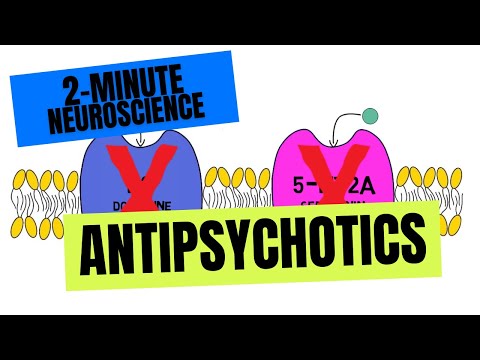
- Mechanism of Action: Newer antipsychotics often target specific neurotransmitters in the brain more efficiently. These meds focus on dopamine, which is linked to mood and perception, while minimizing impact on others like serotonin. This selective targeting is key.
- Clinical Trials: Early studies show promising results for these new medications. Many participants reported fewer side effects compared to older versions. Less sedation means you can go about your daily life with fewer interruptions.
- Diversity of Options: The good news is there are now several options available. Some work better for certain folks over others, which really highlights the importance of personalized treatment plans—it’s not one-size-fits-all!
- Real Experiences: Take Sam, for example—he was on an older antipsychotic and struggled with fatigue all day long. Once he switched to a newer medication with fewer side effects, he started feeling more like himself again; able to enjoy hobbies he’d put aside.
Of course, it’s not all sunshine and rainbows. Even these newer drugs come with their own set of potential issues—they might be less predictable in some people or have other unforeseen consequences. That’s why it’s crucial to keep open lines of communication with your healthcare provider throughout the process.
The takeaway? There’s hope on the horizon for folks looking for effective mental health treatment without the burden of harsh side effects. Ongoing research will likely continue shedding light on how we can improve mental health care even further—that’s something we should all keep an eye on!
Discovering the Safest Psychiatric Medications: A Comprehensive Guide
When we talk about psychiatric medications, especially antipsychotics, it’s a big deal. The thing is, these meds can really help folks manage their symptoms. However, the side effects can be a bit of a roller coaster ride. So if you’re looking into options that might have fewer side effects while still being effective, let’s break it down.
First off, it’s important to understand that not all antipsychotics are created equal. Some tend to come with heavy baggage, while others might be lighter on those pesky side effects. Second-generation antipsychotics, also known as atypical antipsychotics, often fit the bill better here.
- Risperidone: This one’s pretty common and generally well-tolerated. It helps with things like mood swings and delusions without too many rough aftershocks.
- Quetiapine: This medication can help with both schizophrenia and bipolar disorder. It often has fewer movement-related side effects compared to older drugs.
- Ariipiprazole: Considered a “partial agonist,” this means it kinda balances things out in your brain instead of just shutting stuff down.
- Lurasidone: It’s gaining popularity for its lower risk of weight gain and metabolic issues, plus it works well for depression too!
But like any meds, they might still come with some drawbacks—a little weight gain or drowsiness here and there can happen. It’s crucial to talk it through with your doctor; they’ll help you figure out what feels right.
Now let me tell you a quick story about my friend Jake, who really struggled with his mental health for years. Meds were hit or miss for him; he’d find one that worked but then the side effects would hit him hard—weight gain was his biggest battle. Eventually, his doc switched him over to lurasidone after trying several options together. You know what? He found it worked wonders without the weight gain! Small victories matter—you follow me?
Another key thing to keep in mind is that everyone responds differently to these medications. What works great for one person might not have the same impact on another; individual chemistry plays a huge role.
Lifestyle changes can also make a big difference alongside meds! Things like regular exercise or therapy can amplify treatment benefits—not just relying on pills alone.
So if you or someone you care about is navigating this road of finding the right psychiatric medication: don’t lose hope! There are options out there that have fewer side effects. Make sure you keep chatting openly with a healthcare professional—they’ll guide you through this maze towards better mental health without pushing through too many bumps along the way.
Comprehensive Guide to Antipsychotic Medications: Types, Uses, and Side Effects
So, antipsychotic medications are often a big part of the conversation when talking about mental health, especially if someone is dealing with conditions like schizophrenia or bipolar disorder. They can help manage symptoms that really disrupt everyday life. But, like all medications, they come with their own set of pros and cons. You follow me?
First off, let’s look at the types of antipsychotics. They’re mainly divided into two categories:
- Typical antipsychotics: These were the first kind developed. Think of them as the older generation. They work by blocking dopamine receptors in the brain. Examples include haloperidol and chlorpromazine.
- Atypical antipsychotics: These newer meds tend to be preferred nowadays because they generally have a different side effect profile. Medications like risperidone and aripiprazole fall under this category.
Now, what do these meds actually do? Well, they’re mainly used to treat severe mental health conditions by targeting symptoms like hallucinations or delusions. Imagine someone who hears voices; these drugs can help quiet those inner sounds so they can focus on life again.
But here’s the thing: not everyone reacts to antipsychotics in the same way. Some folks might find relief while others struggle with side effects. It’s really a mixed bag, unfortunately.
- Drowsiness: This can feel like a heavy blanket over you—hard to shake off!
- Weight gain: This is a common issue with many antipsychotics. It’s tough when you feel good mentally but don’t love how you look.
- Tardive dyskinesia: This is a more serious side effect that affects movement; it can cause involuntary twitching or jerking—definitely not ideal.
- Nausea: Some people experience digestive issues after taking these meds. Not fun!
If you’re thinking about starting an antipsychotic or switching medications, it’s super important to have an open chat with your doctor about what you might experience. They’ll consider your personal history and any other meds you’re taking to find what works best for you.
Another big question: Are there antipsychotics with fewer side effects? The answer can be yes! Atypical antipsychotics are known for generally having less risk for some of these harsher side effects compared to typical ones.
An example? Meds like seroquel, which tends to have less risk for movement disorders than some older drugs—but hey, everyone’s chemistry is different! One person’s miracle might be another person’s nightmare.
If you’re feeling overwhelmed by options and potential side effects, just know that it’s okay to seek out support—from friends, family, or therapists. Sometimes understanding what’s possible helps ease anxiety around medication choices.
This whole process can feel daunting but keep in mind that finding the right medication often takes time and patience. Hang in there! Remember: your mental health journey is unique to you—it’s all about finding what helps you live your best life!
So, like, when you think about mental health treatment, antipsychotics usually come up. They can be life-savers for many folks dealing with stuff like schizophrenia or bipolar disorder. However, the side effects can sometimes feel pretty overwhelming. You know how it is—weight gain, drowsiness, that kind of thing. It’s like you’re trying to get your mental health on track, but the medication makes you feel sluggish and not quite yourself.
I remember chatting with a friend who was on an antipsychotic for a couple of years. She was so hopeful when she started taking it because she felt it helped her mood mostly, but soon she found herself struggling with fatigue and some extra weight. She said it felt like battling two different issues: managing her mental health and dealing with the meds’ effects on her body. That’s a lot to handle.
Anyway, there’s been some talk about new antipsychotics that have fewer side effects—and that’s super exciting! Like, imagine getting the help you need without feeling like a zombie or worrying if you’re going to fit into your favorite jeans anymore. Some newer medications are being developed that aim to target just the symptoms better while keeping those pesky side effects in check.
That’s not to say it’s all rainbows and sunshine; any medication has its risks and might not work for everyone in the same way. But taking steps toward making these meds more tolerable could seriously change how people experience treatment. It matters because feeling more “you” while managing your mental health can make such a difference in daily life.
So yeah, as research keeps rolling out on these newer options, I really hope they help more people find their balance without sacrificing their energy or well-being along the way. The whole goal is to live better—emotionally and physically—right?