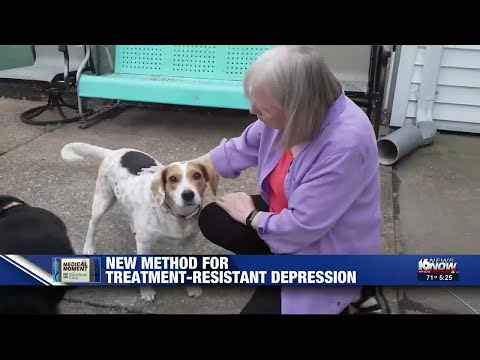
Hey, you know how some days just feel heavier than others? Like, no matter what you do, it’s like you’re stuck in a fog? Yeah, that’s resistant depression for you.
So there’s this crazy thing where traditional antidepressants don’t always cut it. It can be frustrating. Seriously, who wants to feel trapped in their own head?
But here’s the twist: antipsychotics are starting to make waves in the world of treating resistant depression. Sounds wild, right?
I mean, it’s not just about pills; it’s about finding new paths to feeling better. Let’s chat about this—it could really change things for some folks.
Exploring Breakthrough Treatments: New Hope for Overcoming Treatment-Resistant Depression
So, let’s talk about treatment-resistant depression. It’s that frustrating place where people have tried a bunch of treatments—like different meds or therapy—but nothing seems to really help. You feel stuck, like you’re running in circles. But there’s some good news: new approaches are on the horizon, and they’re giving hope to those who’ve felt lost for too long.
One of the interesting areas being explored is the use of antipsychotics. Now, before you raise an eyebrow, hear me out. These medications were primarily designed for conditions like schizophrenia or bipolar disorder, but researchers have found they can also offer relief for people with depression who haven’t responded to traditional treatments.
Here’s how it works. Antipsychotics can help by stabilizing mood and addressing symptoms that overlap with depression. Basically, they change the way certain brain chemicals work—like serotonin and dopamine—which are involved in regulating your mood. So when standard antidepressants just don’t cut it anymore, these meds could step in.
- Atypical antipsychotics: These are newer antipsychotics that tend to have fewer side effects than older ones. Medications like quetiapine (Seroquel) or aripiprazole (Abilify) have shown promise in studies for patients dealing with stubborn depression.
- Rapid relief: Some individuals notice improvement fairly quickly compared to traditional antidepressants—often within days instead of weeks! Can you imagine feeling a glimmer of hope so soon?
- Combination therapy: Using antipsychotics alongside standard antidepressants might boost effectiveness too. It’s like pairing peanut butter with jelly—they just work better together!
But hold up! This doesn’t mean everyone should jump on the antipsychotic train without talking to their doctor first. There are potential side effects, like weight gain or drowsiness, that must be considered. It’s all about finding what works best for you and your unique situation.
There are also other new avenues being explored beyond just medication too—like ketamine treatment and transcranial magnetic stimulation (TMS). Seriously innovative stuff happening here! People have reported feeling significant relief from their symptoms after these treatments when nothing else has worked.
The thing is, while it may seem daunting at first, the ongoing research into breakthrough treatments is genuinely heartening for those looking for solutions against treatment-resistant depression. The medical community is recognizing this struggle more than ever before and addressing it head-on.
If you’re feeling overwhelmed by treatment options—or lack thereof—it might be worth chatting with a mental health professional who knows about these emerging therapies. You’re not alone on this journey; there is hope around every corner!
Top Antipsychotics for Treating Resistant Depression: A Comprehensive Guide
When it comes to treating resistant depression, antipsychotics can sometimes be the unexpected heroes. Seriously, it’s wild how something usually linked with schizophrenia or bipolar disorder can also help people who just can’t shake off that deep sadness. So, let’s break down what you need to know about these meds in a way that makes sense.
What Are Antipsychotics?
Antipsychotics are medications usually prescribed for disorders like schizophrenia or severe mood disorders. But they can help some folks dealing with major depressive disorder (MDD) too, especially when traditional antidepressants don’t do the trick. It’s like finding a hidden tool in your toolbox when you thought you had everything covered.
Why Use Them for Depression?
For many, standard antidepressants like SSRIs or SNRIs don’t provide relief. That’s where second-generation antipsychotics come into play. They can bring about mood stabilization and improve depressive symptoms by targeting different neurotransmitters in the brain.
Common Antipsychotics Used:
Here’s a quick rundown of some of the most frequently used antipsychotics for treating resistant depression:
- Aripiprazole (Abilify): This one’s commonly prescribed as an add-on to antidepressants. It works as a partial agonist at dopamine receptors, which helps balance things out.
- Lurasidone (Latuda): Another good option; it tends to have fewer side effects and is also an add-on treatment for MDD.
- Quetiapine (Seroquel): Known for its sedative effects, this might be especially useful if sleep issues are also part of your struggle.
- Olanzapine (Zyprexa): It’s effective but can have more weight-related side effects than others.
Anecdote Time!
I remember chatting with my friend Sarah who was battling stubborn depression. She’d tried a bunch of different medications without much luck. Her psychiatrist suggested adding aripiprazole to her routine. At first, she was skeptical—like, why would an antipsychotic help her? But within weeks, she noticed a shift in her mood and energy levels. It was like someone had finally turned on the lights in a dim room!
Potential Side Effects:
Look, while these meds can help, they aren’t without their downsides. You might experience issues like weight gain, sedation, or metabolic changes—nothing fun there! So it’s super important to have ongoing discussions with your doctor about what you’re feeling.
Finding the Right Fit:
Every person is different; that means what works wonders for one might not work at all for another. Your doctor will likely start you on low doses and gradually increase them while monitoring any side effects or improvements closely.
The bottom line? Antipsychotics can be a valuable tool in your mental health journey when faced with resistant depression. Just remember: it’s all about finding what works best for you while keeping communication open with your healthcare provider!
The Breakthrough Miracle Antidepressant: What You Need to Know for Mental Health
So, let’s talk about antidepressants, specifically the newer ones making waves in treating resistant depression. You know how sometimes, it feels like no matter what you try, nothing seems to work? That’s where these breakthrough meds come into play.
Antipsychotics have been traditionally used to treat conditions like schizophrenia or bipolar disorder. But researchers are now finding they can actually help with depression, especially for those folks who’ve tried other things and come up short. It’s like opening a new door when all the others have been locked tight.
Those antidepressants that seem to be game changers often include drugs such as olanzapine and quetiapine. They’ve been found to bring relief for some people whose depression hasn’t responded to typical treatments.
Imagine Sarah, who battled major depressive disorder for years. After trying a bunch of different medications (some made her feel worse), she ended up on an antipsychotic in combination with her regular antidepressant. To her surprise, she started feeling more like herself again! It was a long road, but the relief she experienced opened up possibilities for enjoying life again.
So, what do you need to know about these medications? Here are some key points:
- Mechanism of Action: Antipsychotics work differently than standard antidepressants by targeting serotonin and dopamine receptors in your brain.
- Adjunctive Therapy: They’re often used alongside traditional antidepressants for better outcomes; just one pill isn’t usually the magic answer.
- Side Effects: Like any medication, there can be side effects—weight gain, sedation, or even movement disorders in rare cases.
- Personalization: Everyone’s brain is unique! What works wonders for one person might not be so great for another.
It’s crucial to have an open conversation with your psychiatrist about these options. Discussing concerns and expectations can help make this process smoother.
And hey, if you’re wondering about the future—research is ongoing. Scientists are constantly looking at new potential treatments that might offer even more hope for those struggling with resistant depression.
Remember, mental health is intricate and personal; finding the right treatment takes time and patience. Stay hopeful!
You know, dealing with depression can feel like being stuck in a thick fog—heavy and persistent. And for some folks, traditional treatments just don’t cut it. That’s where antipsychotics come into play. Yeah, I know what you’re thinking. Isn’t that for schizophrenia or something? Well, not exactly.
Imagine you’re struggling with major depressive disorder that just won’t budge, no matter how many therapy sessions you attend or SSRIs you pop. It’s frustrating, right? Those moments when even getting out of bed feels like climbing Everest are all too real. I remember chatting with a friend who was sinking deeper into that darkness. She tried everything—meds, therapy, lifestyle changes—but nothing seemed to lift the shadow hanging over her.
But then she heard about antipsychotics being used off-label for treatment-resistant depression. Initially, she wasn’t sure how to feel about it; it felt like a leap of faith. Yet after consulting her psychiatrist and doing some research together, she decided to give it a shot.
Antipsychotics work differently than antidepressants. They can balance out neurotransmitters in the brain in unique ways that might help break the cycle of despair that some people face. For my friend, this was her new hope—slowly but surely, she started to see some light seeping through that fog.
Of course, everyone’s journey is different—what works for one person may not work for another—and antipsychotic meds also come with their own side effects and risks. So, they should really be used under careful medical guidance.
But seeing my friend start to smile again after feeling so hopeless… yeah, it gives me hope too! Antipsychotics in treating resistant depression isn’t just some clinical term anymore; it’s a lifeline for those who’ve felt lost in their struggles. It’s proof that sometimes a change in approach can make all the difference and spark some real change in people’s lives—even if it seems unconventional at first glance.