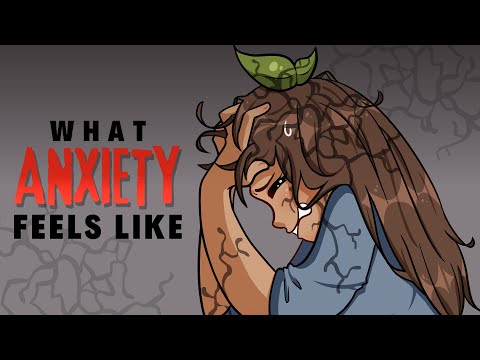
Alright, so let’s chat about anxiety. You know, that feeling when your stomach’s doing flips and your mind’s racing? It can really mess with us.
But what’s wild is that anxiety can show up in ways you might not even notice. Seriously, your body often gives clues before your head does.
Like, have you ever noticed someone biting their nails or tapping their foot like crazy? That’s them probably wrestling with some nerves.
So, let’s dig into five visual signs of anxiety and peek behind the curtain at what’s going on psychologically. It’ll be interesting—trust me!
Identifying Visible Signs of Anxiety: Key Indicators You Should Know
Anxiety can be tricky to spot, especially since it often hides behind a mask of normalcy. You can’t always see what someone is going through just by looking at them, but there are definitely some telltale signs that might give you a clue. Here are a few visible signs of anxiety and what they could mean.
1. Fidgeting or Restlessness
If you notice someone bouncing their leg, tapping their fingers, or shifting around in their seat, that’s a big red flag. This kind of restlessness is often a physical outlet for the nervous energy they’re feeling inside. Basically, it’s like their body wants to move because their mind is in overdrive.
2. Avoidance Behavior
When people are anxious, they might steer clear of certain places or situations that trigger those feelings. For example, someone might not want to go to crowded events or meet new people because the thought makes them super uncomfortable. This avoidance can really limit experiences and even lead to further isolation.
3. Changes in Posture
You know how some folks hunch over or cross their arms tightly? That could be more than just bad posture! Anxious individuals may physically withdraw as a way of protecting themselves from perceived threats or discomfort. Shoulders hunched? It’s like they’re trying to curl inward and hide from the world around them.
4. Excessive Sweating
You might see someone sweating buckets even when it’s not hot out—that’s anxiety doing its thing! It’s all about that fight-or-flight response kicking in. You know, when our body thinks we’re in danger? Sweating can come as an automatic response when your brain feels overwhelmed, and it doesn’t help if they also feel self-conscious about it.
5. Eye Contact Issues
Avoiding eye contact is another sign you shouldn’t overlook. People dealing with anxiety often struggle with feeling exposed or vulnerable; they might look anywhere but your face during conversations. Maybe they’re worried about being judged or simply feel too anxious to engage fully.
These signs don’t exist in isolation; they’re often tied back to deeper psychological roots and experiences that shape how someone reacts in social situations or stressful environments. If you notice these behaviors in yourself or someone else, it could be worthwhile to explore those feelings together—or even seek support if needed.
Recognizing these signs isn’t just helpful for spotting anxiety; it’s also an opportunity for empathy and understanding towards others who may be facing invisible battles every day.
Exploring the Roots of Anxiety: Understanding Its Origins and Triggers
Anxiety can hit you out of nowhere, right? One minute you’re chilling, and the next, your heart’s racing. To really get a grip on anxiety, it’s super helpful to explore where it comes from and what might be triggering it.
Roots of Anxiety often look different for everyone. Some folks might have a family history of anxiety, which means they inherited some of those anxious vibes. But even if nobody in your family has had issues before, life experiences can play a massive role in shaping how you feel.
There are different triggers that can stir up anxiety.
Now, let’s talk about some visual signs of anxiety because they tell us a lot about what’s going on inside. You know when you’re chatting with someone and they keep fidgeting? That might be a sign! It’s like their body is trying to shake off all that nervous energy.
Another thing is eye contact—or lack thereof. People feeling anxious sometimes avoid looking others directly in the eye. It’s almost as if they’re trying to hide away from the world around them.
Then there’s the good ol’ biting nails or tapping feet scenario. You’ve probably noticed someone doing this when they’re nervous—it’s like their body can’t sit still! Those actions are ways people express their inner turmoil without even saying a word.
Sometimes even posture changes; slumping shoulders or crossed arms can signal anxiety too. When people feel tense or overwhelmed, their bodies show it by closing off or shrinking down physically.
And let’s not forget about sweating! Some folks start sweating more when they’re anxious because their body’s fight-or-flight response kicks in without warning.
Understanding anxiety’s roots and visual signs helps make sense of what you (or someone else) might be going through! Remembering that these feelings are normal and part of being human can help ease some worry too; you’re definitely not alone here!
So yeah, being aware of these elements is essential for both recognizing when you’re feeling anxious and helping others who might be struggling with similar feelings—kindness goes a long way!
100 Anxiety Symptoms You Should Know: Recognizing the Signs of Anxiety
Anxiety can be a sneaky little gremlin, showing up in all sorts of ways. Sometimes it’s loud, like a siren in your brain, and other times it’s subtle, like that annoying itch you can’t scratch. If you’re trying to understand what anxiety might feel like or how it manifests physically and emotionally, you’re in the right place.
First off, anxiety symptoms can look different for everyone. You may not experience all of them, or you might notice just one or two that stand out. Let’s break down some key signs you should definitely know about.
Physical Symptoms:
Anxiety often makes itself known through our bodies. It’s like your mind is shouting “danger!” even when there isn’t any real threat around. You might notice:
- Racing heart: That feeling where it seems your heart is doing a marathon inside your chest? Super common.
- Shortness of breath: It might feel like you just ran up a flight of stairs when you’re just sitting still.
- Trembling or shaking: Your hands may shake when you’re nervous; it’s kind of unpredictable.
- Nausea: Sometimes anxiety gives you that queasy feeling—like maybe something didn’t sit right?
- Sweating: You might start sweating more than usual; even if the temp isn’t that high!
Cognitive Symptoms:
This is where things get tricky because anxiety messes with how we think too. You could experience:
- Panic attacks: Sudden waves of fear that seem to come outta nowhere? Yep, that’s panic knocking on your door.
- Overthinking everything: Like playing a movie reel in your head about what could go wrong—it’s exhausting!
- Difficulties concentrating: Finding it hard to focus on anything at all is another sign; it can feel frustrating.
Emotional Symptoms:
Your feelings also take a hit with anxiety:
- Irritability or anger: You may find yourself snapping at people over small things; it feels like everything’s amplified.
- A sense of impending doom: Like something bad is going to happen but you can’t pinpoint what.
On top of those signs, there are visual cues too! Maybe you’ve caught yourself biting your nails during stressful moments or fidgeting with your hair when you’re anxious. Those little habits often reflect what’s happening internally.
It’s important to understand these symptoms so when they show up, you can say «Aha! That’s my anxiety!» Recognizing these signs gives you powerful insights into managing them better.
If someone close to you has these signs popping up consistently, don’t hesitate to support them! A simple “Are you okay?” can mean the world.
So whether it’s racing thoughts or physical symptoms giving away the game, remember: you’re definitely not alone in this struggle! Just knowing what to look for can help ease some weight off those anxious shoulders.
You know, anxiety can really take a toll on you. It’s like this heavy fog that clouds your mind, and sometimes, it shows up in our body too. I remember a buddy of mine who would constantly tap his foot during meetings. At first, I thought it was just a quirky habit. But as I got to know him better, I realized it was more about his anxiety than anything else.
So let’s talk about some visual signs of anxiety and what might be happening on the psychological side of things.
First off, there’s fidgeting. You see people bouncing their legs or playing with their hair all the time. It’s like this overwhelming energy they can’t quite control. Psychologically, it’s a way to cope with restlessness or tension that builds up inside.
Then there’s the good ol’ sweating—talk about an obvious one! Sweaty palms or an overall clammy vibe can be super common when someone feels stressed or anxious. This happens because your body is kicking into high gear as if it’s preparing for battle, even when there’s no real threat around.
Another sign? Eye contact—or lack thereof. Some folks with anxiety avoid looking others in the eye because they feel vulnerable or judged. It’s interesting how much those little glances mean and how deep that fear runs.
And don’t forget about pacing. You know when someone is walking back and forth? That movement is often an attempt to release pent-up nervous energy. It’s like their body is trying to escape from whatever’s causing that anxious feeling deep down.
Lastly, you might notice changes in posture—like slumping over or crossing arms tightly against the chest. This can signal feelings of inadequacy or a need for self-protection; kinda makes sense, right?
Understanding these signs doesn’t just help us recognize when someone might be struggling; it also opens the door for compassion and support. Like my friend—once we figured out what was really going on with his foot-tapping habit, we could have real talks about his anxiety without judgement.
So yeah, next time you notice these signs in yourself or others, think about what could be happening beneath the surface—it might just be a call for understanding in this chaotic world we live in!