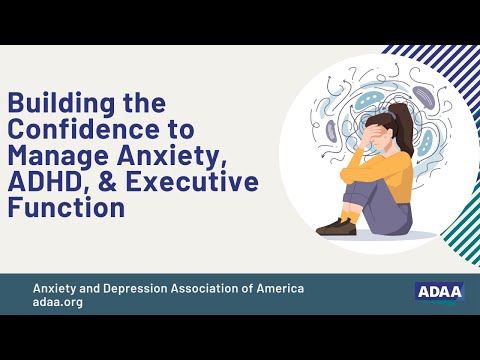
Anxiety and ADHD, huh? What a combo! Seriously, they can be such a handful together.
Imagine juggling flaming torches while riding a unicycle. Stressful, right? That’s what it can feel like when you’re trying to manage both.
You probably know the drill: racing thoughts, fidgeting, and that nagging feeling in your chest. It can feel like you’re caught in a constant whirlwind.
But don’t worry! You’re not alone in this mess. Lots of people are navigating these waters. Let’s dive into some real talk about what it’s like and how to cope with it all.
So grab a snack, get comfy, and let’s figure this thing out together!
Understanding the Connection Between ADHD and Separation Anxiety in Adults: Overcoming Challenges
So, let’s talk about ADHD and separation anxiety in adults. It might not seem like they belong together at first, but, surprisingly, there’s a connection between the two that can really complicate things for people dealing with both conditions.
ADHD stands for Attention Deficit Hyperactivity Disorder. It’s that thing where you might find it tough to focus or control impulses, right? Now, when we throw separation anxiety into the mix, things get a bit more tangled. Separation anxiety isn’t just something kids deal with; it can carry over into adulthood too.
You see, folks with ADHD often have a pretty heightened sensitivity to emotional experiences. They might struggle more when faced with separation anxiety because their brains are wired differently. So when you’re feeling stressed about being away from someone important—like your partner or best friend—it can feel overwhelming.
- Emotional Regulation: Adults with ADHD frequently have difficulties managing their emotions. This makes dealing with separation even tougher.
- Fear of Abandonment: There can be this deep-rooted fear of being left alone or feeling unloved which amplifies anxiety levels.
- Poor Coping Strategies: Sometimes people might not have learned effective ways to cope with anxiety, making it harder to manage those feelings of distress when apart from loved ones.
I had a friend who struggled with both ADHD and separation anxiety. Whenever he had to be away from his family for work, he’d spiral into these anxious thoughts—what if they didn’t want him around anymore? What if something happened while he was away and he wasn’t there? And these thoughts would take over. It got hard for him to even concentrate on tasks at work because he was worried sick about leaving people behind.
The good news is that there are ways to tackle these challenges! Therapy can be super helpful. Cognitive-behavioral therapy (CBT) is especially effective for addressing thoughts and behaviors tied to both ADHD and anxiety. It helps you break down those overwhelming feelings into manageable pieces.
- Meditation and Mindfulness: These practices can aid in grounding yourself when faced with anxiety triggers related to separation.
- Building Support Networks: Surrounding yourself with understanding friends or communities can ease feelings of isolation—you know that feeling of belonging?
- Self-Care Practices: Investing time in activities that make you feel good can help minimize anxious thoughts—whether that’s exercise, hobbies, or just resting!
If you or someone you know is navigating this tricky combination of ADHD and separation anxiety, remember it’s okay to seek help! You’re not alone in this battle; many are facing similar hurdles. Overcoming these challenges takes time and effort but finding the right strategies makes a world of difference.
The connection between ADHD and separation anxiety may be complicated, but recognizing it is the first step toward managing both effectively. So keep pushing forward! You’ve got this!
Understanding ADHD and Anxiety: Insights into Neurodivergent Experiences
Understanding ADHD and anxiety can feel like trying to untangle a pair of headphones after they’ve been sitting in your pocket for too long. It’s messy, confusing, and often really frustrating. Let’s break this down together.
First off, ADHD stands for Attention-Deficit/Hyperactivity Disorder. It’s more than just being fidgety or having trouble focusing. People with ADHD often experience challenges with attention, hyperactivity, and impulsivity. You might find it hard to follow through on tasks or sit still for long periods of time. And if you’ve got both ADHD and anxiety? Well, that combo can make life feel like a rollercoaster ride — thrilling at times but mostly just overwhelming.
Now, let’s talk about anxiety. It’s more than just feeling stressed before a big test or presentation. Anxiety can cause persistent worry that feels like a heavy backpack you can’t take off. For someone with anxiety, even everyday situations can seem daunting—like going into crowded spaces or starting new projects at work.
Here’s where it gets tricky: ADHD and anxiety can feed off each other. When you’re struggling to focus because of ADHD, it might lead to feelings of inadequacy or anxiety about failing. On the flip side, if you’re constantly anxious, it might make your ADHD symptoms even worse because your brain is already busy juggling multiple worries.
Take Sarah, for example. She’s in college and has both ADHD and anxiety. She finds that when she sits down to study, her mind races with thoughts — “Did I turn in that assignment? What if I fail this exam?” Pretty soon she can’t concentrate at all on the material in front of her. The thing is, she needs strategies for managing both conditions simultaneously.
So what do we do about it? Here are some insights:
- Therapy: Cognitive Behavioral Therapy (CBT) can be super helpful. It teaches coping mechanisms for both ADHD and anxiety.
- Medication: Sometimes doctors may prescribe medication that helps with one condition but also benefits the other.
- Mindfulness: Practices like meditation can help calm racing thoughts and improve focus.
- Routine: Building a daily routine helps manage time effectively which makes things less overwhelming.
In essence, navigating life with ADHD and anxiety means being gentle with yourself. You’re not alone in this struggle; many people share similar experiences and there are tools out there to help ease the journey a bit.
So remember: it’s okay to ask for help or seek support from professionals who understand these conditions well. Just like Sarah learned — finding the right combination of strategies made all the difference in managing her daily life without feeling overwhelmed by both disorders at once!
Effective Strategies for Managing ADHD and Anxiety in Adults: A Comprehensive Guide
Managing ADHD and anxiety together can feel like juggling flaming torches while riding a unicycle. But don’t worry; you’re not alone in this. Many people experience both, and there are effective strategies that can help you find some balance.
First things first, let’s talk about understanding your conditions. ADHD, or Attention-Deficit/Hyperactivity Disorder, often makes it hard to focus, stay organized, or sit still. When anxiety kicks in, it amplifies those struggles, creating a perfect storm of overwhelm. Basically, you might feel like your brain is running a marathon while your body is stuck in traffic.
Now onto the good stuff—let’s look at some useful strategies:
- Establish a routine: Having a structured daily schedule can really help with focus and reduce anxiety spikes. Try to wake up and go to bed at the same time each day. It doesn’t have to be rigid; just enough structure to give you a sense of stability.
- Break tasks into smaller steps: Tackling big projects can feel daunting. Break them down into bite-sized pieces. For example, if you need to write a report, start with an outline before diving into paragraphs.
- Practice mindfulness: Techniques like meditation or deep-breathing exercises can ground you when things feel chaotic. Even taking five minutes to focus on your breath can make a world of difference.
- Utilize technology: Apps for task management or reminders (like Trello or Todoist) can be super helpful for keeping track of duties without getting overwhelmed. Use them as tools that work for you!
- Reach out for support: Seriously consider talking to friends or family about what you’re going through—or even joining support groups where people know exactly what you’re dealing with.
- Cognitive-behavioral therapy (CBT): This type of therapy is great for managing both ADHD and anxiety because it helps you identify negative thought patterns and replace them with healthier ones.
- Avoid caffeine: It might seem like a good idea for an energy boost, but caffeine can spike anxiety levels and make it even harder to focus.
So here’s a little story: I knew someone who kept missing deadlines at work because their anxiety would blow everything out of proportion. They felt paralyzed by the tasks ahead until they started breaking them into small chunks and setting up strict timelines—like achieving one tiny goal every day! Over time, they found themselves more productive and their anxiety lessened.
Lastly, don’t forget about medication if that feels right for you! Talk with your doctor about options; sometimes meds work wonders when combined with these strategies.
Navigating ADHD and anxiety is totally doable—just remember that everyone has their own journey through this maze. Explore what methods resonate most with you and take it one step at a time; after all progress is progress!
Anxiety and ADHD – man, that’s a combo that can really make life feel like a rollercoaster, huh? Like, imagine waking up in the morning already feeling a wave of worry crashing over you. But then, right when you’re about to freak out about that work deadline, your brain’s like, “Hey! Look at this shiny thing over here!” So you end up distracted instead of tackling what’s stressing you out.
I know someone who deals with this; let’s call her Emma. She juggles both anxiety and ADHD, and it’s been tough for her. One day she was sharing how she planned to organize her week but ended up spiraling into panic about forgetting something important. The irony? She forgot to take her medication that morning, which totally fueled the anxiety storm. It was like trying to drive a car with one flat tire while looking at all the traffic signs buzzing by.
What’s interesting is how these two conditions sometimes work together. You might feel anxious because you’re worried you won’t finish tasks on time—a classic ADHD issue—and then that anxiety makes it even harder to focus on anything at all! It creates this vicious cycle where one feeds off the other. Seriously, it’s exhausting just thinking about it.
But there are ways to navigate through this chaos. Mindfulness can be a game-changer for some people. Taking a few minutes each day to breathe deeply—like really focusing on your breath—can help calm the anxious thoughts swirling around in your head and improve focus too. And let’s not forget the importance of structure! Creating routines can help lessen some of that anxiety by bringing predictability into your day.
Another thing I’ve seen work is finding supportive communities or talking to others who face similar challenges. It’s comforting knowing you’re not alone in this crazy mix of emotions and scattered thoughts.
So yeah, navigating through anxiety and ADHD might feel like an uphill battle sometimes—but with patience and the right tools, it doesn’t always have to be overwhelming and chaotic. You’ve got the strength within you; it just takes time to figure out how to harness it effectively!