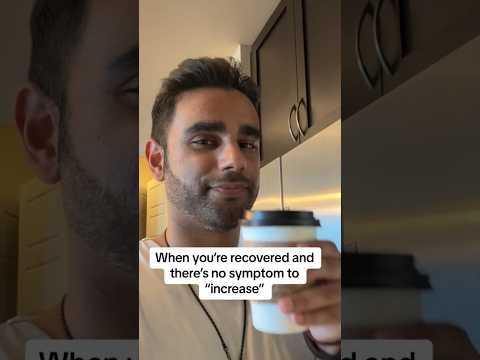
You ever feel that jittery buzz after a cup of coffee? Yeah, you know the one. It’s like your heart’s doing the cha-cha and your thoughts are racing.
Well, here’s the thing: caffeine can really crank up those anxiety symptoms for some folks. Seriously, it can turn a little stress into a full-blown panic attack faster than you can say “double espresso.”
But it’s not just about feeling shaky. It’s more complicated than that. If you’re feeling anxious and also chugging coffee like it’s water, you might want to hit pause for a sec.
Let’s chat about how this everyday pick-me-up could be messing with your mental state without even realizing it. Buckle up!
Understanding the Link Between Caffeine and Increased Anxiety: What You Need to Know
You know how that first sip of coffee in the morning feels? That jolt of energy can be amazing, right? But, hold on. For some folks, caffeine can actually turn into a bit of a double-edged sword, especially when anxiety creeps in. Let’s break this down.
Caffeine is a stimulant, which means it speeds up your heart rate and makes you feel more alert. Sounds great until you realize it can also heighten those pesky anxiety symptoms. What happens is that caffeine triggers the release of stress hormones like adrenaline. So, if you’re already feeling anxious, that extra boost might feel more like a panic button than an energy drink.
When you consume caffeine, here’s what could go down:
- You might feel jittery or restless.
- Your heart could race faster than usual.
- You may experience sweating or stomach discomfort.
All these symptoms can mimic or intensify anxiety attacks. Imagine this: You’re gearing up for an important meeting and decide to down a venti espresso. What starts as excitement might quickly spiral into racing thoughts and sweaty palms instead.
Another thing to consider is sensitivity levels. Not everyone reacts the same way to caffeine. Some people can enjoy their daily coffee without any issues, while others might feel on edge after just one cup! Factors like your genetics, how much sleep you’ve had lately, or even your overall mental health play into this sensitivity. It’s kind of like trying on shoes—you gotta find the right fit for you.
If you struggle with anxiety already, cutting back on caffeine could be worth trying out. You don’t have to go cold turkey; maybe just switch to decaf for a while or limit yourself to one small cup per day instead of three giants.
Being mindful about what you consume is key! Keeping track of when and how much caffeine triggers those anxious feelings can really help you figure out what works best for your body.
So yeah, understanding the link between caffeine and anxiety isn’t just about chugging coffee all day long. It’s important to recognize how it affects *you* personally and adjust accordingly. Listen to your body; it often knows best!
Understanding How Caffeine Affects Anxiety: Can It Really Have the Opposite Effect?
Alright, let’s talk about caffeine and its effects on anxiety. You probably know that caffeine is in coffee, tea, energy drinks, and even some sodas. But did you ever think about how it might affect your anxiety levels? Seriously, there’s a lot to unpack here.
First off, caffeine is a stimulant. It wakes you up and keeps you alert by blocking a neurotransmitter called adenosine. Adenosine usually helps you feel tired. So when you block it, what happens? Your body gets revved up! More energy sounds great, right? But this can actually lead to increased heart rate and a rush of adrenaline. And for those already grappling with anxiety, this can be like tossing fuel on the fire.
Now, here’s the kicker: caffeine can worsen anxiety symptoms for some people. Think about it—if you’re already feeling jittery or on edge, adding caffeine into the mix can make things feel way worse. You could start feeling more anxious or even experience panic attacks. It’s like your body is sending mixed signals.
But it’s not all doom and gloom. Some folks find that a little bit of caffeine helps them feel more focused and less anxious in certain situations! For example, maybe you’ve got an important presentation coming up and you down a cup of coffee to get pumped. Sometimes that boost can give you just the right edge needed to tackle the challenge ahead.
So how does this all work out? Here are some points to consider:
- Individual differences matter: Everyone metabolizes caffeine differently due to genetics and overall health.
- Context is key: The situation you’re in matters; social settings might feel different than work stress.
- Your mental state helps: If you’re feeling calm before your cup of joe, it might perk you up without causing anxiety.
- Caffeine tolerance builds up: Regular users may not feel its effects as much over time.
Let me share an example here—imagine Sarah. She loves her morning coffee ritual; it signals her brain that it’s time to start the day! But one day she had three cups instead of her usual two while dealing with work stress. By midday, she was feeling super anxious—heart racing and hands shaking! She realized that sometimes less is more when it comes to her beloved brew.
Conquering Coffee Anxiety: Effective Strategies for a Calmer Sip
Coffee can be such a comforting ritual, but for some, it can stir up feelings of anxiety. It’s like, one moment you’re enjoying that warm cup, and the next, your heart’s racing and your thoughts are all over the place. So what gives? Well, it turns out that caffeine has a way of heightening those anxiety symptoms. The thing is, caffeine stimulates your central nervous system. This can make you feel jittery or on edge, especially if you’re already prone to anxiety.
Here’s what you need to know about conquering coffee anxiety:
Know Your Limits
It’s super important to figure out how much caffeine works for you. Everyone’s tolerance is different. Maybe try reducing your intake gradually? Like start with half-caf or switch to decaf for a while.
Stay Hydrated
Sometimes we forget to drink enough water, right? When you’re dehydrated, caffeine can hit harder. So keep a water bottle close by and sip throughout the day.
Pair It Wisely
Having coffee on an empty stomach can amp up those anxious feelings. Try teaming it up with something solid—a snack or breakfast could help calm that storm brewing inside.
Mind Your Timing
Timing can seriously make a difference too! If you’re prone to anxiety, maybe consider having your coffee in the morning when your body is more ready for it instead of late in the day when stress levels might be higher.
Breathe Deeply
If you feel that familiar jolt of anxiety creeping in after a cup of joe, take a moment to breathe deeply. Inhale slowly for four counts, hold it for four counts, then exhale for four counts again. It sounds simple but it really helps ground you.
Consider Alternatives
If coffee seems like too much sometimes, you might want to explore other options! Herbal teas or even matcha have less caffeine and can still give you a nice boost without the jitters.
And remember this: You’re not alone in feeling this way! Lots of people experience coffee-related anxiety; it’s just part of what happens when we mix caffeine with our emotions. By being mindful and trying these strategies out, you can definitely enjoy your coffee ritual without letting it take over your day!
So, caffeine. It’s like that friendly little monster we all love, right? Wakes you up, gets you moving, and sometimes it’s just that extra push you need to tackle your day. But here’s the thing: for some folks, that same caffeine can turn into a little gremlin of anxiety. I mean, seriously.
I remember this one time I had a super important meeting in the morning. I thought it’d be smart to slam down a big ol’ coffee beforehand. You know the drill: better focus and all that. But what actually happened? My heart started racing like I was about to run a marathon, and my mind felt like it was going full speed down a rollercoaster. It wasn’t just jitters; it turned into this wave of anxiety that I couldn’t shake off. Not cool.
Caffeine is a stimulant—so it revs up your central nervous system, which can be great for keeping energy levels high but not so much when you’re already feeling anxious or on edge. It sort of messes with your body’s natural ability to chill out. In fact, studies have shown that too much caffeine can make anxiety symptoms pop up even more intensely.
Now, don’t get me wrong, not everyone reacts this way. Some people can enjoy their coffee without feeling like they’re on an emotional seesaw. But if you’re prone to anxiety or have conditions like panic disorder, caffeine might not be your best buddy.
It’s kind of about balance, really. Being aware of how your body reacts and tuning in is key. Maybe you’ve experienced something similar—feeling fine until that third cup hits? It’s good to check in with yourself and see how those double espresso shots are affecting your mood.
So next time you’re reaching for that coffee or energy drink thinking it’ll boost your spirits…just pause for a second and reflect on how it’s really gonna hit you today. Sometimes it’s better to take it easy on the caffeine than ride that anxiety rollercoaster again!