Anxiety attacks can feel like a storm hitting outta nowhere. One minute, you’re fine, and the next, it’s like your heart’s racing and you can’t breathe. Seriously, it’s no joke.
But hey, you’re not alone in this. Lots of folks deal with anxiety in different ways. And there are natural exercises that might actually help to calm that storm.
Imagine finding a little peace amidst all that chaos. Sounds nice, right? It’s totally possible! We can talk about some simple tactics to keep those anxiety attacks at bay without jumping straight to medication or therapy.
So, let’s kick stress to the curb together!
Top Exercises to Alleviate Anxiety Attacks: Discover What Works Best
Anxiety can feel super overwhelming, like a storm brewing inside you, right? When those anxiety attacks hit, it’s important to have some go-to exercises that help calm things down. These techniques can seriously make a difference in how you feel. Let’s break down a few effective exercises that might help.
Deep Breathing
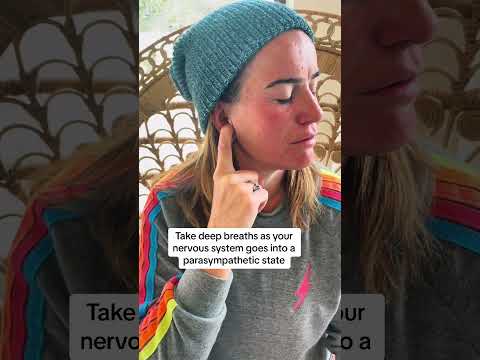
One of the simplest yet most powerful tools is deep breathing. When you’re anxious, your breath tends to get shallow and quick. But if you slow it down and focus on deep breaths, it can signal your body to relax. Try this: inhale deeply through your nose for a count of four, hold it for four seconds, and then exhale slowly through your mouth for six counts. Repeat this for a few minutes. You might be surprised at how much calmer you feel.
Grounding Techniques
Grounding techniques are awesome because they help bring your focus back to the present moment. One common method is the 5-4-3-2-1 exercise:
- 5: Name five things you can see around you.
- 4: Name four things you can touch.
- 3: Identify three sounds you can hear.
- 2: Notice two smells (or think of two favorite foods).
- 1: Think of one thing you’re grateful for.
This little exercise shifts your attention away from anxiety and helps reestablish balance.
Progressive Muscle Relaxation
This is where you systematically tense up various muscle groups in your body and then release them. Start with your toes—squeeze those muscles as tight as possible for about five seconds, then let go. Move up to your calves, thighs, abdomen—you get the drift—all the way to your head. This technique not only helps reduce tension but also teaches your body what relaxation feels like.
Meditation might seem daunting if you’re new to it, but just a few minutes daily can help! Find a quiet spot where you won’t be disturbed—sit comfortably or even lie down if that’s better for you. Focus on your breath or use a guided meditation app if that feels easier at first. Let any racing thoughts pass by like clouds in the sky without getting attached to them.
Physical Activity
Honestly, moving your body is one of the best ways to kick anxiety’s butt! Whether it’s going for a walk outside or doing some yoga at home, find something that makes you feel good physically. When you’re active, endorphins kick in—those little mood boosters help lighten up heavy feelings that come with anxiety.
Connecting with Others
Sometimes just chatting with someone who gets what you’re going through can be super comforting. Reach out to friends or family members who support you; sometimes hearing their voice alone can lift some weight off your shoulders.
So there ya have it! Anxiety attacks are tough but having these exercises up your sleeve might just give you the relief you’re looking for when they hit outta nowhere. Just remember: everyone’s different—you gotta find what works best for you!
Discover How a Simple Vitamin Helped Me Overcome Anxiety
Anxiety can feel like a storm brewing inside you, right? It sneaks up, often when you least expect it. For some people, this overwhelming feeling can become a regular part of their lives. And then there’s the quest for relief. Sometimes, that path leads to surprising places.
Vitamin D—you might think of it as just something we get from sunlight. But trust me, it plays a bigger role than you might imagine when it comes to mental health. Research suggests that low levels of vitamin D could lead to increased anxiety and depression. So, if your body isn’t getting enough of it, your mind might pay the price.
A friend of mine, let’s call her Sarah, struggled with anxiety for years. She’d tried therapy and different coping strategies but often felt stuck in her own head. But one day during a check-up, her doctor mentioned checking her vitamin D levels. Turns out they were super low! After she started taking supplements and getting some sun exposure—you know, just chillin’ outside for 15 minutes a day—she noticed something shift.
Why does this happen? Well, vitamin D helps regulate neurotransmitters like serotonin—the «feel-good» chemical in your brain. When serotonin levels are balanced, you’re more likely to feel calm and collected instead of anxious and overwhelmed.
Here are a few ways to naturally support your mental health with vitamin D:
- Sunshine: Aim for short daily doses of sunlight; it’s literally nature’s way of boosting your mood.
- Diet: Incorporate foods high in vitamin D—like fatty fish or fortified dairy products—into your meals.
- Supplements: If getting enough from food and sunlight isn’t possible (especially in winter), consider taking a supplement after chatting with your doctor.
Now let’s talk about how this ties into managing anxiety attacks specifically. When those panic feelings creep up on you and make everything feel like too much, having a well-nourished body can help ground you better in those moments.
It’s more difficult to embrace relaxation when you’re running on empty; your body needs the resources to cope effectively with stressors! Maintaining adequate vitamin D levels could offer some additional support for your emotional resilience when life gets wild.
Remember: while a simple vitamin may help ease anxiety symptoms for some folks (like Sarah), it’s not a standalone cure-all solution. It’s important to keep working with mental health professionals who can guide treatment tailored just for you!
So there it is—a little insight into how something as basic as vitamin D could play a role in calming that internal storm we call anxiety. Just don’t forget: take care of yourself holistically!
Top Exercises to Alleviate Anxiety and Manage Panic Attacks Effectively
Anxiety can really mess with your day-to-day life, right? But guess what? There are some neat exercises that can help you manage it. So let’s break down a few effective ones to help you chill out and feel more grounded.
Deep Breathing is one of the simplest yet most powerful tools. When anxiety hits, your breath tends to get shallow and quick. Slowing it down can really help. Try this: inhale deeply through your nose for a count of four, hold it for four, then exhale slowly through your mouth for a count of six. Repeat this a few times. You might be surprised how quickly you start to feel better.
Progressive Muscle Relaxation (PMR) is another gem. The idea is pretty cool. You tense and then relax different muscle groups in your body—starting from your feet and moving up to your head or vice versa. Like, clench your fists tight for five seconds, then let go and notice how relaxed they feel afterward. It’s like a mini-vacation for each muscle group!
Grounding Techniques work wonders when anxiety feels overwhelming. One popular method is the 5-4-3-2-1 technique. Look around you and name:
- 5 things you see, like that coffee mug or the flickering light
- 4 things you can touch, perhaps your desk or the texture of a blanket
- 3 things you hear, like birds chirping outside or distant traffic
- 2 things you smell, maybe freshly brewed coffee or rain on pavement
- 1 thing you taste, even if it’s just the aftertaste of lunch.
This brings you back to the present moment beautifully!
If you’re feeling more energized, a brisk walk or some light exercise can also work wonders. It releases those happy chemicals called endorphins, which can lift your mood almost immediately. Just getting outside for a bit—especially if it’s sunny—can make all the difference.
A good old doodle or creative outlet can really take your mind off things too! Whether it’s drawing, writing, or even crafting something—channeling anxiety into creativity helps distract and express what’s going on inside.
You don’t have to do these all at once—try them out over time and see what fits best for you. It’s totally okay to mix and match! Everyone’s different in how they cope with anxiety anyway.
The main thing is that these exercises are easy to remember and do anywhere, so they’re super practical when panic sneaks up on ya! And remember—it’s about finding what works for YOU because managing anxiety doesn’t have to be a solo adventure.
If ever you’re feeling overwhelmed and these don’t quite cut it, reaching out to someone—a friend or therapist—can also provide support when needed.
Anxiety attacks can feel like you’re stuck in a roller coaster that won’t slow down. Your heart races, your breath gets shallow, and all you want is for it to stop. I remember the first time I had one; it was so surreal. It felt like the world was closing in on me. Eventually, I learned a few exercises to help manage those intense moments.
One thing that really works is focusing on your breath. You know how when you’re really stressed, breathing becomes this thing that just slips away? Well, try counting your inhalations and exhalations. Breathe in for four counts, hold for four, then breathe out for four again. This kind of rhythmic breathing helps ground you and can shift your focus away from what’s making you anxious.
Then there’s grounding yourself in the present moment. This might sound kinda fluffy, but sticking to sensory details seriously helps. Look around and pick out five things you can see, four things you can touch, three things you can hear, two things you can smell—and maybe one thing you can taste if you’re up for it! It pulls your mind back from that spiraling anxiety train.
Movement is another super effective option. Whether it’s a quick walk outside or some gentle stretches at home—getting your body moving sends positive signals to your brain. Remember when you were a kid and running around just made everything feel lighter? There’s definitely something to that simple joy of movement.
Sometimes people think exercising means hitting the gym hard or going for a run—nah! It could be dancing around your living room or doing yoga with a calming playlist in the background. Whatever gets the energy flowing without feeling forced is what you’re aiming for!
Also, don’t underestimate journaling or creative expression as an outlet. You don’t have to write a novel; just jot down what you’re feeling or even doodle something silly! Letting those emotions out onto paper can help lighten their weight.
But honestly? The most important piece is finding what works best for you personally. Everyone’s different; what calms one person might not do much for another. So give yourself grace as you explore these different techniques.
At the end of the day, managing anxiety naturally takes practice and patience—kinda like learning to ride a bike or bake bread without burning it (guilty!). You’ll find some methods resonate more than others over time. Just remember: you’re not alone on this journey!