You know that feeling when anxiety hits you like a freight train? Yeah, it kinda sucks. Time seems to warp, and everything feels out of control.
You’re not alone in this. Seriously, anxiety can feel like a sneaky little monster lurking around, just waiting to pounce. It’s no joke.
But here’s the good news: there are ways to find calm in the chaos. Grounding techniques can help pull you back from that edge. They’re like little anchors that keep you steady when your mind is racing.
So let’s chat about how these simple tricks can really make a difference when anxiety tries to take the wheel. You with me?
Effective Grounding Techniques to Alleviate Anxiety: Boost Your Mental Well-Being
Anxiety can hit like a freight train, right? One moment, you’re fine, and the next, your heart’s racing and your mind’s spiraling. But grounding techniques can really help pull you back to the present. They’re basically little tricks that remind you of where you are and what’s real, helping to ease that overwhelming panic or stress. Let’s break down some **effective grounding techniques** that can give you a boost when anxiety strikes.
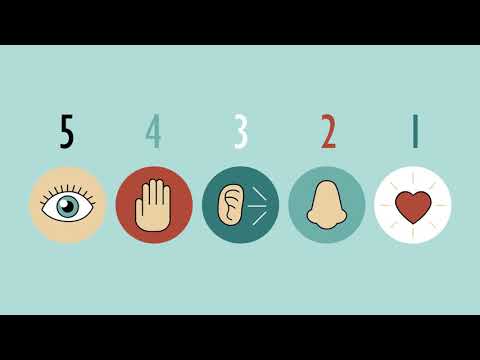
1. The 5-4-3-2-1 Technique
This one’s super popular for a reason. It brings your focus to the present by engaging your senses. You look for:
- 5 things you can see
- 4 things you can feel
- 3 things you can hear
- 2 things you can smell
- 1 thing you can taste
Try it out when anxiety creeps in. I remember once being in a crowded café feeling totally overwhelmed. I started listing things around me: the green plant by the window, the sound of a coffee grinder—it helped center me again.
2. Deep Breathing Exercises
Taking slow, deep breaths helps calm your nervous system. There are a few methods here—like inhaling for four counts, holding for seven counts, and then exhaling for eight counts. Repeat this several times. It sounds simple but focusing on your breath gives your mind something to latch onto instead of those spiraling worries.
3. Physical Grounding Techniques
Moving your body helps ground you too! This could be as simple as standing up and stretching or clenching and releasing your fists or toes—this makes it easier to feel connected to your physical self rather than getting lost in anxious thoughts.
4. Use Your Environment
Find something nearby, like a smooth rock or a piece of fabric with an interesting texture. Hold it tightly and focus on its details—the weight, temperature, or how it feels against your skin. This is all about redirecting your energy from fear into curiosity about what’s right in front of you.
5. Mindfulness Meditation
This one’s more of an investment but oh-so-worth-it! Spending even just five minutes focusing on being present each day helps build resilience against anxiety over time. You don’t have to be perfect at it; just notice any thoughts that pop up without judgment and let them float away like clouds.
The Power of Routine
Incorporating these grounding techniques into a daily routine strengthens their impact during times of anxiety because they become second nature over time. So try practicing them regularly!
Every person reacts differently though; some techniques may work better for you than others—so don’t get discouraged if one doesn’t hit home right away! The goal is finding what helps YOU feel calm during those stormy moments.
These techniques probably won’t make all anxiety disappear—but they certainly give you tools to handle those moments more gracefully! Just remember: everyone experiences anxiety now and then, and it’s totally okay to seek help if needed!
Essential Grounding Techniques for Managing Panic Attacks – Free PDF Guide
Panic attacks can feel like a whirlwind hitting you out of nowhere. Your heart races, your palms sweat, and before you know it, you’re in a fight-or-flight mode. When the world seems to spin out of control, grounding techniques can really help bring you back to solid ground. Here’s the lowdown on essential grounding techniques that might help manage those panic attacks.
What is Grounding?
Grounding is all about connecting with the present moment. It reminds you that although panic feels intense, it’s temporary and manageable. Think of it as a mental anchor that helps you regain your balance when life gets overwhelming.
1. The 5-4-3-2-1 Technique
This one’s pretty popular and for good reason! You focus on your senses to pull you back into reality:
- 5 things you can see: Look around and identify five objects. Maybe it’s a lamp or a tree outside.
- 4 things you can touch: Feel the texture of your clothes or the surface of your desk.
- 3 things you can hear: Tune into sounds like traffic or birds chirping.
- 2 things you can smell: If possible, take notice of scents around—like coffee or fresh air.
- 1 thing you can taste: Pop something in your mouth like gum or just notice the taste in your mouth.
It’s super effective because it uses multiple senses to bring your focus away from anxiety.
2. Deep Breathing
Okay, let’s be honest. It sounds simple but deep breathing works wonders! Breathe in slowly through your nose for about four counts, hold for four counts, and then breathe out through your mouth for six counts. Repeat this until you’ve calmed down a bit.
You might remember a time when just taking a deep breath made everything feel less intense—it’s that kind of thing!
3. Focus on Your Feet
This one might sound odd at first but stay with me! Picture how your feet connect with the ground beneath them. Feel every part—your heels, arches, toes—making contact with the floor. This creates stability and is known as “anchoring.”
I remember once feeling overwhelmed during an outdoor event; focusing on how my feet were planted on the grass helped steady my thoughts.
4. Count Backwards
Try counting down from 100 by sevens (100, 93, 86…). This requires concentration which distracts from anxious thoughts.
Sure it takes some practice to get going but it’s surprisingly effective when you’re panicking!
The Power of Mantras
Sometimes repeating an affirmation or mantra helps reaffirm that everything’s okay—even if it doesn’t feel like it at first! You could say something like «This will pass» or «I am safe.» Something personal usually hits home better than generic phrases.
Finding what works for you is key; maybe jot down affirmations that resonate with how you’re feeling.
Create a Calm Space
Having designated calming spots at home helps too! Whether it’s a little corner with comfy pillows and soft lighting or certain scents that comfort you—things like lavender work great!
Whenever anxiety creeps up at home, retreating there makes all the difference.
Using these grounding techniques can seriously empower you during those tough moments of panic attacks—they’re like little tools in your pocket whenever anxiety decides to pay an unexpected visit. So go ahead and try them out when emotions run high; finding calm between waves is totally doable!
Essential Grounding Techniques: Free PDF Guide for Mental Wellness
So, let’s chat about grounding techniques. You know those moments when anxiety just creeps in and feels like it’s wrapping around you? It can be a total drag. Grounding techniques are all about bringing yourself back to the present moment, helping you feel more in control. They’re like little anchors when the storm hits.
What Are Grounding Techniques?
Basically, these are strategies you can use to distract yourself from overwhelming feelings and focus on what’s happening right now. They help keep your mind from running away with your worries, which is a real game changer during anxiety attacks.
Why Grounding Techniques Work
Your brain can sometimes feel like a runaway train. Grounding techniques slow that train down by shifting your attention to your senses or surroundings. This way, you can pull back from those intense emotions and regain some peace of mind.
Types of Grounding Techniques
- 5-4-3-2-1 Technique: This one’s super popular! You look around and identify:
- 5 things you can see
- 4 things you can touch
- 3 things you can hear
- 2 things you can smell
- 1 thing you can taste
- Sensory Grounding: Use items that have different textures or smells to stimulate your senses. Maybe it’s a soft blanket or an essential oil. Focusing on how they feel or smell brings you back to earth.
- Breathe with Intention: Deep breathing is classic for a reason! Try inhaling for four counts, holding for four, then exhaling for six. Repeat this until you feel calmer.
- Mental Exercises: Count backwards from 100 by 3s or recite something like the alphabet backwards (which is harder than it sounds!). This keeps your mind busy while grounding yourself.
- Physical Movement: Sometimes just getting up and moving around helps break the cycle of anxiety. Go for a walk or stretch; moving your body changes how you’re feeling mentally.
This helps engage your senses and pulls your attention away from anxious thoughts.
Anecdote Time!
I remember a friend who used to get really anxious before giving presentations. One day, she shared how she started using the 5-4-3-2-1 technique right before speaking. She’d look at her notes, but then stop herself to focus on her surroundings—like noticing the color of the walls or the sound of someone typing nearby. It seriously helped her chill out before diving into her presentation!
The Bottom Line
Grounding techniques aren’t one-size-fits-all; it might take some experimenting to find what clicks for you. The key is practice! The more familiar these techniques become, the easier they’ll be during those tough moments.
Looking for an easy reference? A free PDF guide could be handy. Having something written down may prompt you when you’re feeling anxious—like having a buddy there reminding you of what works best!
In short, grounding techniques are essential tools in managing anxiety attacks—so don’t hesitate to give them a shot!
You know, anxiety can hit you like a ton of bricks. One minute, everything’s fine, and the next, your heart’s racing, you can’t breathe, and it feels like the walls are closing in. It’s kinda scary. I remember this one time when I was in a crowded place—like a concert or something—and suddenly I felt this wave of panic wash over me. My palms got sweaty, and I couldn’t catch my breath. It was overwhelming.
That’s when grounding techniques came to my rescue. Basically, grounding is all about bringing your focus back to the present moment and away from all that chaotic thinking going on in your head. There are quite a few methods you can try out when anxiety decides to crash your party.
One popular technique is the «5-4-3-2-1» method. You start by looking for five things you can see around you—maybe that cute dog over there or the cool poster on the wall. Then you name four things you can feel—like how your feet touch the ground or the cool breeze on your skin. Next, think of three things you hear; perhaps it’s music playing or people chatting nearby. After that, identify two things you can smell – maybe popcorn or fresh air if you’re outside. Finally, one thing you can taste; it could be that last sip of coffee lingering in your mouth. It pulls you right into reality and anchors you there.
Another way is using objects to soothe yourself—a nice rock from your pocket or even a fidget spinner works wonders! Holding something tangible helps remind me that I’m here and now—not lost in those spiraling thoughts.
But grounding isn’t just about techniques; it involves creating an environment where calm thrives! When you’re feeling anxious often, having a cozy space at home with comforting items—like candles or soft blankets—can be really helpful too.
So yeah, anxiety might try to steal your peace of mind sometimes, but finding calm? Totally doable with these little tricks tucked away in your mental toolbox! Seriously, embracing these methods changed how I handle those tough moments—even if it took some practice at first!