Hey there! So, let’s chat about something super important—anxiety during pregnancy. You might think, “Oh great, just what I need!” But the truth is, many people feel this way. It’s totally normal.
Picture this: you’re about to welcome a tiny human into the world, and every little thing feels like a big deal. You get overwhelmed by worries about the future, your body, or even just making it through labor. Yeah, it can be a lot!
I’ve talked to friends who’ve been right where you are. They share stories of those sneaky anxiety attacks that pop up when you least expect them. Trust me; it’s tough!
But hang on! There are ways to deal with those feelings without spiraling out of control. Let’s unpack this together and see how we can find some calm in the chaos of pregnancy and anxiety. Sound good?
Effective Strategies for Managing Panic Attacks During Pregnancy
Going through pregnancy can be an amazing yet overwhelming experience, right? If you’re feeling those sudden waves of panic, you’re definitely not alone. Panic attacks during pregnancy can be pretty common, and understanding how to manage them is super important for both you and your baby.
First things first: recognizing the signs of a panic attack can help you manage it better. Symptoms might include racing heart, shortness of breath, sweating, or that all-too-familiar feeling of dread. So if you start noticing these signs, try to remember that they’re temporary and manageable.
One effective strategy is grounding techniques. This basically means bringing your focus back to the present moment. When anxiety kicks in, look around you and name five things you can see, four things you can touch, three things you can hear, two things you can smell, and one thing you can taste. It sounds a bit silly at first but hey—it’s actually a powerful way to calm those racing thoughts.
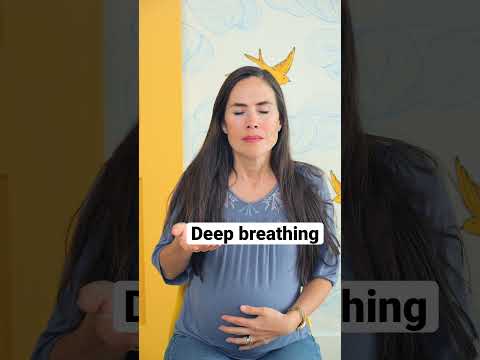
Practicing deep breathing is also really helpful. When anxiety hits, your body goes into fight-or-flight mode. But with deep breathing—like inhaling deeply through your nose for four counts and then exhaling through your mouth for six—you’re sending a signal to your body that it’s safe to relax. Just remember: breathe in calmness; breathe out tension!
Meditation or mindfulness practices are another great tool. Even just a few minutes a day can do wonders! Try finding a quiet spot to sit comfortably and focus on your breath or use guided meditation apps if that feels easier. These practices help build resilience against anxiety over time.
You could also chat with someone about what’s going on in your head—like friends or family who know what you’re dealing with. If that’s not enough—or if you’re feeling really overwhelmed—it might be worth talking to a mental health professional who specializes in pregnancy-related issues. They totally get how having a baby brings up so many strong emotions!
A good support system is key too! Surround yourself with people who uplift you and understand what you’re going through. Sometimes just knowing someone is there for you makes all the difference when those panic waves hit.
If lifestyle changes are possible for you right now—like going for walks or doing some gentle prenatal yoga—that’s awesome! Exercise releases endorphins which are natural mood lifters. Being outside in nature? Even better! It helps clear the mind too.
Panic attacks don’t have to define your pregnancy experience. You’ve got tools at your disposal! With some practice and support, you’ll find ways to manage these moments better as they arise—and trust me: taking care of yourself helps take care of that little one growing inside.
Remember: it’s completely okay to feel anxious sometimes during such a big life change.Your feelings matter, so make sure you’re giving yourself grace while navigating this journey!
How Anxiety During Pregnancy Can Impact Your Baby’s Development
So, dealing with anxiety during pregnancy can be really tough. You’re not just juggling your own emotions; you’re also thinking about how they could affect your baby’s development. It’s a lot to take in! Basically, anxiety can have some significant impacts, both on you and your little one.
When a pregnant person is feeling anxious, there are a couple of ways this might play out. First off, high levels of stress hormones like cortisol can cross the placenta. This means your baby is getting a taste of that anxiety vibe too, even while still in the womb.
- Potential development issues: Some studies show that heightened anxiety may be linked to developmental problems later on. Kids might have issues with learning or emotional regulation as they grow up.
- Premature birth: There’s also a risk of preterm birth associated with high anxiety levels. Babies born too early can face various health challenges, which is super scary for any parent.
- Low birth weight: Another concern is low birth weight. Babies born lighter than average might struggle with health issues down the line.
You know what I mean? It adds this extra layer of worry on top of everything else you’re going through. A friend of mine went through something similar. She was anxious during her pregnancy and ended up having a premature baby who spent some time in the NICU. Luckily, everything turned out okay, but that experience was intense!
The thing is, managing anxiety during pregnancy doesn’t just help you feel better; it’s essential for your baby too. Finding support—like talking to friends or joining a group—can be super helpful. And professional help? Yeah, that might be the best bet if feelings get overwhelming.
If medication comes into play, you definitely want to chat with your healthcare provider first about the risks and benefits involved for both you and your baby.
Ultimately, being aware of how anxiety impacts both you and your little one is key to creating an environment that fosters healthy development. Remember to nourish yourself emotionally because it can make all the difference as you prepare for this big life change!
Understanding the Connection: Can Your Unborn Baby Sense Your Anxiety?
So, you’re pregnant and feeling anxious, huh? First off, it’s totally normal to feel that way. Seriously, pregnancy brings a whirlwind of emotions. But let’s get into the juicy part: can your unborn baby sense your anxiety?
Well, the short answer is yes. Your little one is definitely picking up on some of those vibes you’re sending out. Here’s the deal: when you experience anxiety, your body goes through changes—your heart races, hormones spike, and you’re like a walking stress signal.
Fetal Development plays a big role here. Research shows that babies can perceive their mother’s emotional states through certain cues. When you’re feeling stressed or anxious, your body releases cortisol and adrenaline. Your baby can sense these changes through the amniotic fluid and even through the sound of your heartbeat and voice.
Now let’s break this down into some key points:
- Hormonal Changes: Increased cortisol levels in your bloodstream can cross the placenta.
- Sound Sensitivity: Babies can hear sounds from outside the womb around the 25th week. If you’re anxious or tense, they might hear it in your voice.
- The Emotional Connection: From around 30 weeks on, studies suggest that babies respond to their mother’s emotional state. They may increase their movements when you’re stressed.
Imagine this: It’s a quiet evening, and you’re just trying to relax after a long day. You’ve got this little flip-flop feeling in your belly—maybe it’s just gas or maybe it’s your baby sensing that you’re overwhelmed with thoughts about labor or parenthood. That connection? It’s real; babies are kind of like little sponges soaking up all those emotional cues.
But here’s something important to keep in mind—while some level of anxiety is normal during pregnancy, too much stress isn’t great for either of you. High levels could potentially lead to issues later on such as preterm labor or low birth weight.
So what do you do about it? Finding ways to manage that anxiety is key! Here are a few ideas:
- Deep Breathing: Simple but effective! Slow down those breaths; inhale deeply and exhale slowly.
- Meditation: There are plenty of apps out there aimed at pregnant women—try them!
- Talk About It: Share how you’re feeling with someone you trust—a friend or even a therapist who specializes in prenatal care.
In my experience talking with expectant moms, many find that practicing mindfulness helps create a calm environment—not just for them but for their babies too.
Look, managing anxiety during pregnancy isn’t just about keeping yourself cool; it may also be one way to give your child an emotionally stable start before they even see the light of day!
So, you might know someone—or maybe it’s you—who’s been pregnant and dealing with anxiety attacks. That can feel like a wild rollercoaster ride, right? Add the incredible changes happening in your body and mind, and it’s no wonder anxiety can flare up during this time.
I once had a friend, Sarah, who was super excited about being a mom. But as her pregnancy progressed, she started feeling these waves of panic that would hit her outta nowhere. The first time it happened, she was at the doctor’s office for an ultrasound, and suddenly, her heart raced like she just sprinted from a bear or something! It took every bit of strength for her to remind herself to breathe through it.
Pregnancy does crazy things to our hormones. You’ve got the whole mix of estrogen and progesterone dancing around in your system. This can lead to feelings of anxiety even if you’ve never experienced them before. And don’t forget about the fears that are totally normal—like worrying about labor or how life will change once the baby arrives.
The tricky part is that anxiety doesn’t just affect how you feel mentally; it can also impact your physical health and even your baby. Some studies have hinted that high levels of anxiety during pregnancy could lead to premature birth or low birth weight. That’s so scary! But seriously, talking openly with your healthcare provider about what you’re feeling can make a huge difference. They might suggest coping strategies or even therapy if it’s needed.
For some folks, grounding techniques work wonders when an attack strikes. You know—like focusing on your breathing or counting objects around you helps pull yourself back into the moment before panic takes over completely. Sarah said those techniques felt like having a lifeline when she was sinking in anxiety.
And let’s not forget about support systems! Surrounding yourself with people who get it makes everything easier—friends who’ve been through pregnancy or those willing to lend an ear so you can voice your fears without judgment. Besides talking it out with loved ones or professionals, gentle exercise like walking or yoga could really help ease tension and keep those anxious thoughts at bay.
Anxiety during pregnancy isn’t just part of the package deal—it’s okay to feel overwhelmed sometimes! Taking care of yourself is so essential for both you and your little one. You’re doing great even when things get tough; you’re not alone on this journey!