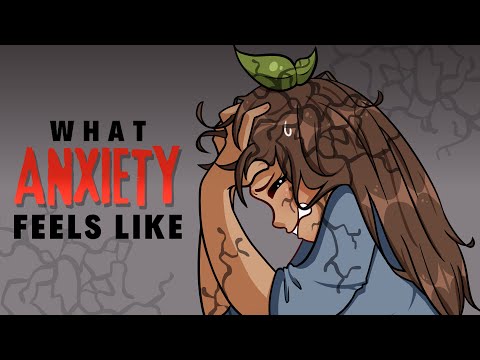
You ever feel like your heart’s about to jump out of your chest for no reason? Like, one minute you’re chilling, and the next, it’s like the world is closing in on you? That’s anxiety for ya.
Anxiety attacks can be super sneaky. They can hit you when you least expect it. And honestly, they might leave you feeling confused or even a bit scared.
It’s tough to explain to someone who hasn’t felt it. You know what I mean? But recognizing those symptoms can be a game changer.
So, let’s chat about what those signs look like and how to deal with them when they pop up. Because trust me, understanding this stuff makes a big difference.
Uncommon Physical Symptoms of Anxiety: Understanding the Unusual Signs Your Body Might Show
Anxiety can be a real rollercoaster, right? You might think of anxiety as just feeling worried or on edge. But, the thing is, it can show up in your body in some pretty strange ways that you might not expect. Let’s break down some of those uncommon physical symptoms this sneaky condition can cause.
1. Tingling Sensations: Ever felt like your fingers or face are tingling or going numb? This is called paresthesia. This odd sensation often happens during intense anxiety, and it’s usually linked to hyperventilation. You’re breathing too fast and it messes with the way oxygen flows through your body.
2. Digestive Issues: Anxiety can totally wreck your stomach! We’re talking about nausea, bloating, or even diarrhea. When you’re anxious, your brain sends signals that can throw your digestive system for a loop, making it hard to eat or enjoy food.
3. Muscle Tension: Think about how you clench your jaw when stressed out. That tightness is muscle tension coming from anxiety. It can lead to headaches and even make you feel like you’ve been at the gym for hours without lifting a finger!
4. Heart Palpitations: Your heart racing when you’re anxious is pretty common, but if it starts feeling super out of control—like it might leap out of your chest—that’s something to pay attention to. It’s all about that fight-or-flight response kicking in.
5. Sweating: Some people sweat buckets when they’re anxious, even if they’re not hot! It’s like your body is gearing up for something big and just goes into overdrive.
You know what’s wild? I once had a friend who thought she was having heart problems because her chest felt tight and she was sweating profusely during a presentation at work. Turns out her anxiety was manifesting physically in these really surprising ways.
6. Shortness of Breath: When anxiety strikes, sometimes you might find it hard to catch your breath—which can feel alarming! Your body thinks it’s in danger and reacts accordingly, making breathing feel more labored than usual.
7. Changes in Appetite: Some folks may lose their appetite completely while others might find themselves turning to food for comfort during stressful times—think binge eating on those snacks we love!
To sum up what we’ve chatted about: anxiety isn’t just about feeling mentally overwhelmed; it slips into our bodies and expresses itself in unexpected ways too! Recognizing these physical symptoms means you’re better equipped to deal with how stress affects you—and perhaps seek help if needed! So the next time you feel strange sensations or just off physically without explanation, consider that anxiety could be playing a part in how you’re feeling inside and out.
Understanding Anxiety Attack Symptoms in Women: A Comprehensive Guide
Anxiety attacks can be pretty overwhelming, especially for women who might experience them in unique ways. Understanding what they feel like and recognizing the symptoms is really important. It’s like having a roadmap when you’re lost in a fog—you can’t always see clearly, but knowing the signs helps you find your way.
So, first things first. An **anxiety attack**, sometimes called a panic attack, can hit out of nowhere. You might feel like your heart is racing or pounding in your chest. That tightness in your chest? Yup, that’s often part of it too.
Here are some common symptoms to watch out for:
You know how sometimes stress builds up, and then suddenly you’re crying over spilled coffee? Well, anxiety attacks can be kinda like that. It’s often not just about the event that triggers it but also all the stressors piled on top of each other. Imagine having a mountain of worries—work issues, family drama—just sitting on your shoulders.
Some women experience these attacks as feelings of impending doom or intense fear that they can’t quite shake off. You’re sitting there at work, and suddenly everything feels too much—like you can’t escape an invisible trap closing in around you.
And let’s talk about how these symptoms can show up differently across various situations. For instance:
– At home: You could find yourself feeling anxious when alone.
– In public places: Crowds may make you feel overwhelmed and trapped.
– While driving: A panic may arise unexpectedly while you’re trying to focus on the road.
**It’s worth noting** that anxiety attacks don’t discriminate by age; they can affect anyone at any stage in life. But still, studies suggest women are more likely than men to report experiencing anxiety attacks. Hormonal factors and social pressures might play roles here.
Now picture this: Sarah finally lands her dream job after months of applications and interviews. But instead of celebrating, she feels an anxiety attack coming on during her first day—the pressure is immense! She might struggle with feelings of inadequacy despite her achievements.
But here’s the thing—it doesn’t have to stay this way! Recognizing these symptoms is half the battle won. When you know what to look for and understand what’s happening inside your body and mind—even though it feels chaotic—you’re better equipped to cope with them.
So if you’ve been experiencing any of these symptoms or know someone who has been, don’t hesitate to reach out for support! Whether it’s talking with friends or seeking help from professionals—a helping hand can make all the difference when tackling anxiety head-on!
10 Quick Tips to Reduce Anxiety Instantly and Find Calm
Anxiety can feel like this heavy weight sitting on your chest, making it hard to breathe. You’re not alone in feeling this way. The thing is, there are some simple strategies you can try right away to ease that tension and find a bit of calm. Here’s a few ideas to get you started:
- Deep Breathing: This is like hitting the reset button for your mind. Inhale deeply through your nose for a count of four, hold it for four, then exhale slowly through your mouth for six. Repeat a few times and notice how it helps chill you out.
- Grounding Techniques: When anxiety hits, bring yourself back to the present by focusing on your body. Try the “5-4-3-2-1” method: name five things you see, four things you can touch, three things you hear, two things you smell, and one thing you can taste.
- Physical Activity: Seriously, just moving around can help release all those anxious vibes. Go for a brisk walk or do some quick stretches. Even dancing around in your room can shake off that jittery feeling.
- Mindfulness or Meditation: Try sitting quietly and paying attention to what’s going on inside your head without judgment. Apps like Headspace or Calm offer guided sessions that make it easier.
- Limit Caffeine and Sugar: Both of these can ramp up anxiety levels if you’re already feeling twitchy. So instead of that third cup of coffee—consider swapping it for herbal tea!
- Talk It Out: Reaching out to someone—a friend or family member—can lighten the load immensely. Just saying what’s bothering you takes away some of its power.
- Create a Comfort Zone: Surround yourself with things that make you feel good; think cozy blankets or favorite books. This little haven of comfort can help ground you when anxiety creeps in.
- Write It Down: Jotting down what you’re feeling can sometimes take away its intensity. It’s like having a conversation with yourself where all thoughts are free to flow without judgment.
- Visualize Calmness: Picture a peaceful setting—like lying on a beach or walking through a quiet forest—and immerse yourself in that scene as vividly as possible.
- Establish Routines: When everything feels chaotic, having small daily routines gives you structure and predictability which helps ease anxiety levels over time.
Just remember, every person deals with anxiety differently. Some methods might work wonders for you while others don’t quite hit the mark—and that’s totally okay! If you’re dealing with frequent anxiety attacks or if they’re really interfering with your life, chatting with a therapist could be super helpful too.
It’s about finding what fits best for *you*. Sometimes it’s trial and error until something clicks; so hang in there!
So, let’s talk about anxiety attacks. You know, there’s just something really unsettling about the whole experience. One minute you’re chilling, and the next, your heart is racing like you just sprinted a marathon. Recognizing those symptoms? Yeah, that can be pretty crucial for figuring out what’s going on with yourself or someone you care about.
I remember this one time my friend Sarah was seeing a therapist for general anxiety. She’d been feeling off for weeks but couldn’t quite put her finger on it. Then one night at dinner, she suddenly started sweating and breathing really hard—it was like she had flipped a switch. It scared me because I didn’t know how to help her right then. Her face turned pale and she kept saying she felt like she was losing control.
Anxiety attacks can feel different for everyone, but there are some common threads that pop up often. A racing heart? Check. Shortness of breath? Yup. Sometimes there’s that overwhelming sense of dread or fear—like something terrible is about to happen even if things seem fine on the surface.
You might also notice physical symptoms like dizziness or even stomach issues. I mean, it’s wild how your body reacts when your mind gets overwhelmed! Sometimes people think they’re having a heart attack when it’s really an anxiety attack—that’s how intense it can get.
What’s super important is recognizing when these feelings happen and how often they show up. If you find yourself feeling anxious multiple times a week—or maybe your buddy does—it could be worth reaching out for some help. Seriously, talking to a professional can make such a difference.
Sometimes we brush off our feelings or just think we’re having an off day, but it’s so much better to address these things early on rather than letting them spiral out of control, right? You don’t want to be caught off guard like I was with Sarah that night—it’s okay not to have all the answers in the moment, but being aware can totally help both you and those around you feel more grounded.
So yeah, recognizing the symptoms is all about paying attention—not just to what you’re feeling but also checking in with those close to you too! The connection between mind and body is real; letting one side go unchecked can seriously throw everything off balance.