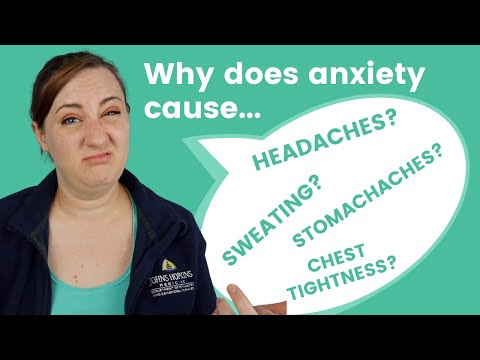
You know that feeling when your heart starts racing for no reason? Or maybe you get all sweaty just thinking about a big presentation? Yep, that’s anxiety doing its thing.
It’s wild how much our bodies can give away about what’s going on in our heads. Seriously, sometimes it feels like our physical symptoms are shouting at us while we’re busy ignoring them.
I mean, who hasn’t felt like they were about to puke before a first date or felt a lump in their throat when stress hit? Those moments can be pretty overwhelming.
So, let’s chat about how to spot anxiety through these physical signs. It’s all connected, and understanding it can really help you take back some control.
Understanding the Connection: Are Your Anxiety Symptoms Manifesting Physically?
Anxiety can sometimes feel like this heavy backpack that you can’t take off, and it doesn’t just mess with how we feel mentally. It can also mess with our bodies in ways that catch us off guard. You’re not alone if you’ve ever noticed a racing heart when you’re stressed or a tight stomach before a big presentation. Seriously, your body has some wild ways of letting you know that anxiety is lurking.
So, what’s the deal with these physical symptoms? Well, when you’re anxious, your body enters this state called «fight or flight.» It’s like your internal alarm system kicks in. What happens next? Your heart races, muscles tense up, and it’s all because your body is getting ready to react to some kind of threat—real or imagined.
Let’s break it down a bit more. Here are some common physical symptoms of anxiety:
- Chest Pain: Feels intense? You might think it’s something serious when it could just be your anxiety acting up.
- Headaches: Stress and tension can lead to those annoying headaches that nag at you.
- Digestive Issues: Ever felt butterflies in your stomach? Sometimes it’s more than just nerves; it can lead to nausea or upset tummy.
- Sweating: That clammy feeling? It’s basically your body saying «I’m on high alert!»
- Tiredness: Constant worry can leave you drained—like you’ve run a marathon without even moving!
A buddy of mine had this fear of flying. Every time he stepped onto an airplane, his heart would race like he was running for his life. He’d sweat bullets and feel dizzy, even before takeoff! Turns out, those symptoms were all tied to his anxiety about flying—not from any actual danger on the plane.
But here’s the kicker: sometimes people don’t even connect the dots between their physical health and their anxious feelings. Maybe you’re feeling sick but brushing it off as something you ate instead of realizing it’s stress bubbling up inside. This disconnect can make things pretty confusing.
It’s important to recognize these signs because managing your anxiety isn’t just about calming your mind; it’s about taking care of your body too! Simple techniques like deep breathing or grounding exercises might help ease both mental and physical symptoms.
In short, keep an eye on what your body is telling you. Anxiety isn’t just a head game; it plays out in our bodies too—and understanding this connection is key for feeling better overall! If you notice these physical signs tagging along with stress or anxiety, maybe chat with someone about how you’re feeling?
Understanding Anxiety: 5 Common Physical Symptoms You Should Know
Anxiety can be a tricky beast. You know how you might feel jittery before a big presentation or your heart races when you’re stressed? Those are just a couple of the sneaky ways anxiety can show up in your body. Let’s chat about some of the common physical symptoms of anxiety that you should definitely keep an eye out for.
1. Racing Heart
Ever had your heart feel like it’s about to pop out of your chest? That fast thumping is pretty classic for anxiety. It’s called palpitations, and they happen because your body gets ready to tackle what it sees as a threat—like it’s gearing up for battle, even if you’re just stressing over an email.
2. Shortness of Breath
You might catch yourself feeling winded or like you can’t catch your breath when anxiety kicks in. It’s like your body is trying to run away from something, even if there isn’t any real danger around. When you’re anxious, breathing can get shallow, which doesn’t help the situation much.
3. Sweating
Feeling clammy? Anxiety often makes you sweat more than usual—even if you’re not working out or in a hot room. Your body thinks it needs to cool down for some reason, and that can lead to those awkward moments of mopping your brow at an important dinner or meeting.
4. Muscle Tension
Have you ever noticed tight shoulders or a stiff neck when you’re anxious? That muscle tension is super common and can make you feel downright uncomfortable. It’s like all those worries are piling up on top of each other, making it hard to relax even for a second.
5. Nausea
Strangely enough, anxiety can mess with your stomach too. Sometimes, it feels like butterflies are having a party in there; other times, it’s more like that awful sickness feeling before you throw up. Your gut is linked closely with emotions—what happens in your head definitely affects how your body feels.
Recognizing these symptoms is key—so if any of this resonates with you, don’t ignore it! Sometimes anxiety shows itself physically before we even acknowledge what’s going on mentally. Just remember, being aware helps you understand what you’re dealing with better and might point you towards getting some help if needed!
Understanding Anxiety: A Comprehensive List of 100 Symptoms You Should Know
Anxiety can feel like a whirlwind, pulling you into a storm of worries and fears. You might be wondering why your heart races or why you feel so restless. The thing is, anxiety doesn’t just play tricks on your mind; it messes with your body too. So, let’s break it down together.
You might not realize this, but anxiety can manifest in a ton of physical symptoms. Here’s the scoop: when you’re anxious, your body kicks into gear like it’s preparing for a fight or flight situation. It’s kind of like when you’re about to give a speech and suddenly feel butterflies in your stomach, right?
Let’s chat about some common physical symptoms:
- Rapid Heartbeat: Your heart starts racing even when you’re just sitting at home.
- Sweating: Ever notice that sudden sheen on your forehead? Yeah, that can happen.
- Trembling or Shaking: Your hands might shake while you’re trying to hold onto something.
- Shortness of Breath: It feels hard to catch your breath, like someone is sitting on your chest.
- Tightness in Chest: This can make you feel like something’s really wrong.
- Dizziness or Lightheadedness: One minute you’re fine; the next, the room feels like it’s spinning.
- Nausea or Stomach Issues: Anxiety can really mess up how your tummy feels.
- Muscle Tension: You might notice tight shoulders or a stiff neck from all that stress.
- Fatigue: Even after sleeping well, anxiety can leave you feeling worn out.
- Sleep Problems: Insomnia? Those racing thoughts won’t let you rest.
These are just a few examples. But the symptoms don’t stop there! Anxiety has its sneaky ways of showing up.
Some people experience gastrointestinal problems. This means stomach cramps or frequent trips to the bathroom because even your gut is affected. Isn’t that wild? Others may find themselves getting headaches more often because tension builds up in those neck and shoulder muscles.
Then we’ve got more subtle signs. For instance:
- Irritability: You snap at little things because everything feels overwhelming.
- Pacing or Restlessness: Can’t sit still? That could be your anxious energy bubbling over!
- Sensitivity to Caffeine: A cup of coffee sends your anxiety sky-high?
Sometimes, people report feeling disconnected from reality—a sensation known as “derealization.” It’s scary and confusing when things don’t feel quite real anymore.
And let’s not forget about one important thing: Anxiety is unique for everyone. Not everyone will experience every symptom on this list; some folks will only notice a couple while others may have several at once.
There’s also this emotional layer we can’t overlook. When those physical symptoms kick in, they may trigger emotions like fear and despair—creating this nasty feedback loop where anxiety feeds itself. You know what I mean?
So if you’re recognizing any of these signs within yourself or someone close to you, it might be worth chatting with someone who understands mental health better—like a therapist! They can help untangle those feelings and build strategies for navigating through them.
Take it easy! You’re not alone in this journey with anxiety’s ups and downs—it affects lots of people in different ways. Just know that understanding is the first step toward feeling better!
You know, anxiety can be a sneaky little beast. Like, one minute you’re just chillin’, and the next your heart is racing like you’ve just run a marathon. It’s kinda wild how our bodies can send us these signals without us even realizing what’s going on up in our heads.
I remember this one time I was about to give a presentation—super exciting, right? Well, all of a sudden, my palms were sweaty, my stomach felt like it was doing somersaults, and my heart was pounding in my chest like it wanted out. I thought maybe it was just pre-presentation jitters or something normal like that. But looking back, I see those physical signs were my body’s way of saying “Hey! Something’s not right! You’re anxious!”
Sometimes we interpret those signals as just random discomforts or being tired. But think about it—do you ever get headaches when you’re stressed? Or maybe your muscles feel tight for no apparent reason? That’s your body communicating with you loud and clear!
It’s interesting how anxiety can show itself physically. Some people experience dizziness or trouble breathing; others might have stomach issues or feel extra achy all over. It’s kind of like your body is sending out a distress signal when your mind is overloaded with worry or stress.
So if you notice something off in your body that just won’t quit—like a knot in your stomach or constant fatigue—it might be worth checking in with yourself emotionally. Are you feeling overwhelmed? Stressed? When we tune into these physical symptoms, we can start addressing the root causes behind them instead of just ignoring what our bodies are trying to tell us.
Honestly, recognizing anxiety through these physical symptoms can be quite empowering. It means you’re starting to understand yourself better and taking steps to manage your mental health instead of letting anxiety take the wheel. So the next time that knot forms in your stomach or those heart palpitations kick in unexpectedly, maybe pause for a moment and check in on what’s really going on inside your mind too.