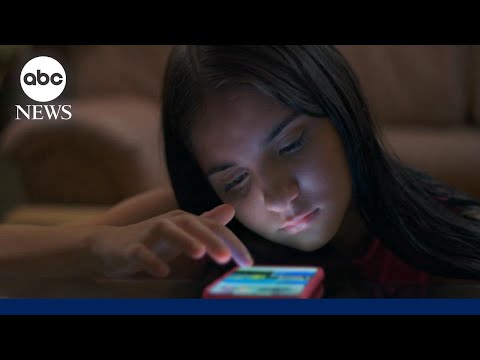
You know how you scroll through your feed and see everyone’s “perfect” life? It’s like, seriously, how can they all look so good?
But then you catch a glimpse of yourself in the mirror and wonder why you don’t measure up. That feeling is real.
Social media has this sneaky way of messing with our heads. It can totally amplify anxiety and depression, especially when we compare ourselves to those picture-perfect moments online.
It’s wild to think about, right? We’re constantly connected, but somehow, that connection can make us feel more alone than ever.
Exploring the Link Between Social Media Use and Anxiety: Key Statistics on Depression Rates
Social media has become a huge part of our lives, right? From scrolling through TikTok to posting on Instagram, it’s hard to imagine a day without it. But, like, what does all this use do to our mental health? Well, research suggests there might be some pretty important links between social media use and anxiety or depression.
First off, studies have shown that heavy social media users report higher rates of anxiety and depression. For instance, one survey found that over 60% of people who spend more than two hours a day on these platforms feel anxious or depressed. That’s a big number! Imagine scrolling through feeds filled with perfect selfies or vacations—can really mess with your mindset.
And it’s not just about how much time you spend online. What you see can also have an impact. Negative content, like cyberbullying or toxic comparisons, tends to spike feelings of inadequacy and sadness. Think about it: if you’re always comparing your life to others’ highlight reels, you’re bound to feel less than great sometimes.
You might be surprised by how significant the effect can be! One study revealed that teens who spend more than 3 hours a day on social media are at an increased risk for mental health issues. They’re 2.5 times more likely to develop depression compared to those who don’t engage as much online. Seriously alarming stuff!
But it doesn’t stop there. Social media can also create feelings of isolation, even when you think you’re connected with others. A common pattern is scrolling through feeds and feeling lonely in a crowd full of friends (or followers). It’s like being at a party but standing alone in the corner.
Here are a few key points that highlight the link between social media use and anxiety:
- Increased exposure to idealized lifestyles: Constantly seeing perfect images can lead to negative self-comparisons.
- Cyberbullying: Victims often face heightened stress which can spiral into serious mental health issues.
- Fear of Missing Out (FOMO): This feeling created by seeing friends’ outings can lead to anxiety about not being included.
- Sleeplessness: Scrolling through apps late at night disrupts sleep patterns which directly affects mood.
- Lack of real-life connections: Relying too much on online interactions may leave people feeling emotionally isolated.
Now let’s not throw out social media entirely—it has its ups too! It connects people across distances and can offer support networks for those struggling with mental health issues. It’s all about balance!
So here’s the deal: while enjoying the fun side of social media is cool, keep an eye on how it makes you feel overall. Recognizing those feelings might help you find healthier habits in this digital age we’re living in!
Understanding the Link Between Social Media Use and Increased Depression and Anxiety
Alright, let’s talk about the connection between social media and mental health. Seriously, it’s a big topic these days. Social media can be a double-edged sword when it comes to feelings of anxiety and depression. It’s like, on one hand, you’re connecting with friends, sharing memes, and staying updated on everything. But on the other hand? Well, it can get pretty overwhelming.
Social Comparison is one major issue. You scroll through your feed and see all these amazing vacations, perfect bodies, or successful life milestones. It’s hard not to compare yourself to others when everyone seems to be living their best life. And what happens? You might start feeling like you’re missing out or not measuring up. You know that feeling?
Then there’s the cyberbullying factor. Some folks use social media as a platform to tear others down—anonymously or not. That kind of negativity can really mess with someone’s self-esteem. For some people, just seeing negative comments or experiences about themselves online is enough to send them spiraling into anxiety or depression.
Now let’s talk about the whole fear of missing out (FOMO). Ever felt that tension in your chest because your friends are hanging out without you? Social media makes it so easy to see what everyone else is doing 24/7! It creates this constant pressure to be part of everything happening around you, making you feel anxious if you’re left out.
There’s also the endless scrolling. Social media platforms are designed to keep you hooked for as long as possible. You might find yourself laying in bed for hours just scrolling through TikTok or Instagram! This can lead to poor sleep patterns and increased feelings of loneliness—both big players in the anxiety game.
And get this—the impact goes beyond just individuals; it can affect communities too! Studies show that when people reduce their social media use for a while, they often report feeling happier and less anxious overall! It kind of makes sense—when you’re not constantly bombarded with updates from everyone else’s lives, there’s more room for self-reflection and less comparison.
So yeah, while social media is definitely useful for keeping up with friends or sharing ideas, its effects on mental health shouldn’t be overlooked. Balancing how much time you spend online can really make a difference in how you feel day-to-day.
In short:
- Social comparison: Looking at others’ perfect lives can create feelings of inadequacy.
- Cybebullying: Negative comments and trolling can harm self-esteem.
- FOMO: Seeing friends hang out without you increases anxiety.
- Endless scrolling: Time spent online affects sleep and feelings of loneliness.
- Coping strategies: Reducing social media time often leads to happier moods!
So there it is—social media has its perks but also some serious downsides when it comes to mental health! Stay aware of how it affects you and your emotions; being mindful could help improve your well-being!
The Dark Side of Social Media: Understanding Its Negative Impact on Mental Health
The dark side of social media is something we can’t ignore anymore. You know, it’s so easy to get caught up scrolling through Instagram or Facebook, feeling like everyone else has a perfect life. But seriously, that constant comparison game can really mess with your head.
Many people find that social media can ramp up feelings of anxiety and depression. It’s like a never-ending highlight reel. You see friends on exotic vacations or flaunting their latest accomplishments, right? And it makes you think: “What’s wrong with me?” That kind of thinking doesn’t just hurt your self-esteem; it can spiral into deeper issues.
Check this out: several studies have shown that heavy social media use correlates with higher levels of anxiety and depression. It’s not just about the time spent online but what you’re consuming. You might see a friend’s post about struggling in school and instantly feel the pressure creeping in—like you need to be doing better yourself.
- Loneliness: Ironically, while social media is supposed to connect us, many users report feeling more isolated. Reading updates from acquaintances can sometimes highlight how disconnected we feel from others.
- Cyberbullying: The internet can be a harsh place. Negative comments and bullying online can leave emotional scars that last long after you’ve logged off.
- Fear of Missing Out (FOMO): This is real! Watching others hang out without you or attend events you’re not part of creates anxiety and sadness.
- Sleepless Nights: Scrolling late into the night keeps your brain wired when it should be winding down. That affects mood the next day.
Let me share a story: A friend once told me about her struggles with Instagram. She loved posting cute photos but ended up feeling awful when she saw others getting more likes. It got so bad that she felt anxious before even opening the app! Eventually, she took a break and found herself feeling way more balanced because she wasn’t constantly comparing herself.
So what can you do? Setting boundaries helps—like limiting screen time or curating your feed to include only positivity. Most importantly, if you’re ever feeling overwhelmed by all this stuff, don’t hesitate to reach out for support. Talk to someone about how these platforms are impacting you; it’s totally okay.
Social media isn’t all bad—it has some positives for staying connected or finding community—but it’s crucial to recognize its potential downsides too. Taking care of your mental health means being mindful of what influences you, including those little screens in our pockets!
Social media is like that double-edged sword we all know too well. You hop on your phone, scroll through your feeds, and there’s a mix of content. On one hand, it connects you with friends, family, and news from around the world. But on the other hand? It can make you feel pretty crummy.
You ever notice how easy it is to get caught up in comparing yourself to everyone else online? I mean, it’s like everyone around you is living their best life—perfect vacations, flawless skin, and happy relationships. It can almost feel overwhelming. Sometimes I find myself scrolling at 2 A.M., feeling like I’m missing out on something huge while everyone else is out there having a blast. And then the thoughts creep in: “Why don’t I look that good? Why aren’t I traveling?” It’s exhausting.
A friend of mine once shared how she started feeling anxious every time she opened Instagram. She’d see posts from people she knew doing fun things without her, and her heart would sink a little more each time. It wasn’t just jealousy; it was this nagging sense of loneliness that spiraled into something bigger—anxiety followed by moments of feeling down or disconnected. Honestly, once she took a break from social media—even just for a week—she said she felt lighter, like a weight had been lifted off her shoulders.
But the thing is, social media isn’t going anywhere any time soon. It’s part of our lives now! So finding ways to manage its impact seems critical. Setting boundaries can help—like limiting screen time or curating your feed to include accounts that inspire rather than diminish your mood.
So yeah, while social media has its perks—keeping us connected and informed—it’s essential to be aware of how it affects us emotionally. We need to strike some kind of balance between enjoying what it offers and protecting our mental health from its potentially harmful side effects.