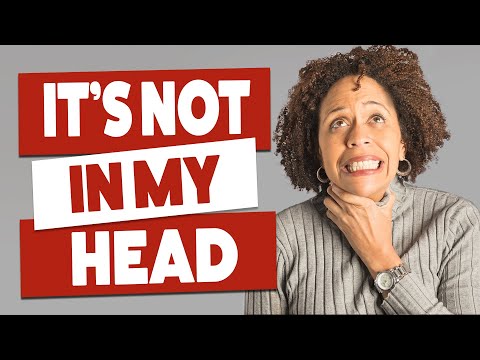
Have you ever felt chills run down your spine when you’re anxious?
It’s wild how emotions can show up in your body, right? Like, one minute you’re just chilling, and the next, you’re wrapped in a blanket even though it’s warm out.
That’s anxiety working its magic—or not-so-magic, really.
It’s not just all in your head; it can make you feel cold and shivery like you just walked into a freezer.
Let’s dig into this strange connection between feeling cold and anxiety. Seriously, it can be eye-opening!
Understanding the Connection: Is Feeling Cold a Physical Symptom of Anxiety?
Feeling cold can really throw you off, right? Like, you’re sitting there, maybe in a cozy room, and suddenly you’re shivering. You might think it’s too chilly out or maybe the AC is cranked up too high. But have you ever considered that this could be linked to anxiety? Let’s break it down because there’s definitely a connection here.
When you’re anxious, your body goes into what’s called the «fight or flight» response. Basically, it’s your body’s way of preparing to deal with danger. Adrenaline gets pumped into your system like crazy. This reaction can mess with your body’s normal functions in a big way—like circulation and temperature control.
So here’s the thing: when anxiety kicks in, blood flow can actually be redirected away from your extremities. For example:
- Your hands and feet might feel colder as blood darts away toward vital organs.
- You may also experience shivering or chills as your body reacts.
It’s kind of wild how interconnected our bodies are. Being in that heightened state of alertness often leaves us feeling colder than we normally would.
Let me share a quick story. A friend of mine was getting ready for a big presentation at work. The moment she stepped into the conference room, her hands started to feel ice-cold. She thought it was just the air conditioning but realized later that her anxiety was driving her body to react this way. It all clicked when she started taking deep breaths and calming down; soon enough, her hands warmed back up.
Some other things to consider include:
- Hyperventilation: When you’re anxious, you might start breathing rapidly, which can lead to chills due to decreased carbon dioxide in the blood.
- Muscle tension: Anxiety may cause muscle tightness and tension leading to discomfort that some interpret as feeling cold.
- Fight or flight: As mentioned earlier, during stressful situations, blood is pulled from extremities as part of that survival mode response.
Now don’t forget: while feeling cold can be connected to anxiety, it’s essential not to overlook other potential causes too—like an underlying health issue or even just being in a cold environment! If chilling sensations hang around and feel concerning or unusual for you? It might be worth chatting with a healthcare professional about it.
So yeah, next time you notice yourself feeling cold in moments of stress or anxiety, remember it’s not just your imagination running wild—there’s some psychology behind it!
How Anxiety Can Lead to Physical Symptoms: Understanding the Mind-Body Connection
Anxiety can be a tricky beast, you know? It doesn’t just mess with your mind; it can really show up in your body, too. Like, have you ever noticed how sometimes when you’re super anxious, you feel cold? That’s not just in your head—it’s all about that mind-body connection.
So, let’s break this down a bit. When you experience anxiety, your body enters «fight or flight» mode. And during this response:
- Your heart starts racing.
- You might start sweating.
- But often enough, folks feel icy cold.
Sounds weird, right? Well, what happens is that when you’re anxious, your body decides to conserve energy for fighting off the perceived threat. Blood gets redirected to major muscle groups and away from extremities. This can make your hands and feet feel chilly. You might be sitting there in a cozy room wrapped in a blanket but still shivering like it’s winter outside!
Let me share an example to paint the picture better. Imagine you’re about to give a presentation at work. Your heart’s pounding like crazy because you’re nervous about speaking in front of everyone. Suddenly, you notice your fingers turning cold and maybe even some goosebumps creeping up on your arms. That’s anxiety doing its thing! It’s not just nerves; it’s actually affecting how warm or cold you feel.
Another aspect worth mentioning is hyperventilation. When anxiety kicks in, some folks start breathing really fast or shallowly. This can cause a decrease of carbon dioxide levels in the blood! The result? You might end up feeling lightheaded and even colder than usual.
You ever notice that feeling where you’re just overwhelmed, and suddenly all the blood seems to rush out of your extremities? Yeah, that’s pretty common too! That’s why people often say they feel “cold as ice” when they’re stressed out.
Understanding these connections can be super helpful because it shows us how closely our minds and bodies are tied together. So next time you’re feeling anxious and find yourself shivering despite the warmth around you, remind yourself: it’s okay! Your mind is sending a message that has physical effects—and recognizing them can make dealing with anxiety just a little easier.
And hey, if this becomes something that really messes with your day-to-day life—don’t hesitate to reach out for help! There are ways to manage both the mental side of anxiety and those pesky physical symptoms that come along for the ride.
Effective Strategies to Overcome Anxiety Chills and Find Relief
Feeling those unexpected chills? Yeah, it turns out anxiety can sometimes play tricks on your body, and one of those tricks is making you feel cold. You know how when you’re super stressed or anxious, it feels like the temperature drops a few degrees? That’s anxiety showing up in a physical way. So let’s talk about some effective strategies to help you deal with those pesky anxiety chills and find a bit of relief.
First off, understanding the link between anxiety and physical sensations is key. When you’re anxious, your body goes into fight-or-flight mode. It’s like an alarm system that gets triggered. Your heart races, breathing speeds up, and yeah—chills can happen because blood flows away from your skin. Your body’s just trying to protect itself.
Now, here are a few strategies that might help with those chills:
- Stay Warm: Sounds simple, right? Grab a cozy blanket or wear layers.
- Breathe Deeply: Try taking slow, deep breaths. Inhale for four counts, hold for four, then exhale for six.
- Move Around: A little physical activity can help warm you up and shift your focus away from anxiety.
- Meditation or Mindfulness: Taking even five minutes to focus on the present can ease anxiety and make those chills feel less intense.
- Aromatherapy: Scents like lavender or chamomile can be soothing! Just breathe them in and see if they help calm your nerves.
And hey—keep in mind that everyone’s different! What works wonders for one person might not do much for another.
I had a friend once who’d get these awful chills during presentations at work. Like she’d be sweating buckets but freezing at the same time! She started keeping a little blanket on her chair and practiced deep breathing beforehand. Over time, she found her rhythm. Now she doesn’t even think about those chilly moments anymore.
Another thing to try is keeping a journal. Write down what triggers your anxiety chills. Is it public speaking? Crowded places? By identifying patterns, you can tackle them head-on rather than letting them sneak up on you.
If you’re finding it tough to shake off these feelings by yourself or they interfere with your daily life, don’t hesitate to reach out for support—whether it’s friends, family or professionals. Therapists are great at helping with coping mechanisms tailored just for you.
Remember: It’s all about finding what works best in your life! Anxiety chills don’t define you; they’re just one piece of the puzzle. With practice and patience—you’ll find ways to warm up again.
You ever notice how anxiety can sometimes sneak up on you in the weirdest ways? Like, one minute you’re fine, and the next you’re shivering like you just walked into a freezer? Yeah, that’s real.
So, I remember this one time when I was getting ready for a big presentation at work. My heart was racing. I felt jittery and nervous, but what really got me was this unexpected chill that settled over me. It wasn’t even cold outside! Just sitting at my desk, bundled up in layers, but my body felt like it had cranked down to full winter mode. It’s kinda wild how your mind can send your body into this state of freeze mode.
That cold feeling is actually more common than you might think. When anxiety kicks in, it can mess with your body’s thermostat—kinda like someone messing around with the settings on your air conditioner. Basically, stress triggers our fight-or-flight response, which redirects blood flow away from things like your extremities (hello frozen fingers!) and sends it to major muscle groups as if you’re about to run away from a bear or something. Except there’s no bear; it’s just an impending deadline or a social situation.
It’s funny (not really) how much we overlook these physical symptoms of anxiety. We talk about being stressed or feeling overwhelmed all the time, but less often do we mention shivering uncontrollably while trying to have a conversation or present an idea. That chill can be embarrassing too! Like when you’re sitting there trying to smile through the discomfort while secretly wishing you could huddle under a blanket.
If you’ve ever felt that way, know you’re not alone. Recognizing those chill bumps as part of the ride can kind of help make them feel less isolating. It’s all connected—our bodies and minds are constantly communicating in ways we don’t always grasp right away.
So next time you feel that cold creeping in during an anxious moment, maybe just take a beat to breathe and remind yourself: it’s okay! Your body is reacting; it doesn’t mean anything bad is happening other than maybe your nerves are a bit on high alert.
And who knows? Maybe next time you find yourself shaking from anxiety rather than simply feeling hot under the collar—it might prompt you to pause and reflect instead of just brushing it off as weird behavior.