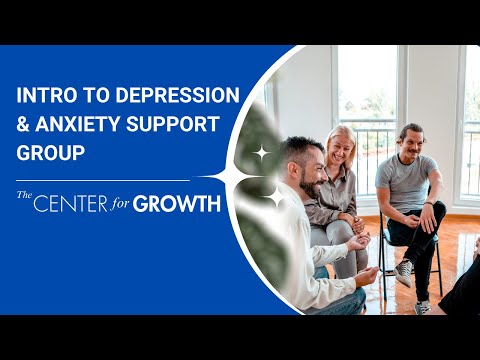
You know that feeling when your heart races and your mind just won’t chill? Anxiety can be a total bear, right?
But here’s the thing: you’re not alone in this. Seriously, there’s a whole community out there ready to support you.
Anxiety support groups are popping up everywhere, and they can make a world of difference. Imagine sitting down with people who get it—all those weird feelings and thoughts that swirl around in your head?
Yeah, they get it. So let’s chat about what’s out there in your neck of the woods!
Essential Resources for Managing Anxiety: Tools and Support for Mental Wellness
Managing anxiety can feel overwhelming at times, but there are a ton of resources and support options out there. If you’re looking for ways to cope, you’re not alone—seriously, so many people deal with this every day. Let’s break down some essential tools that can help you or someone you know.
Anxiety Support Groups can be a real game changer. These groups, often local and free, provide a space where people come together to share their experiences. You can connect with others who truly get what you’re going through.
- Peer Support: Being around folks who understand anxiety can lessen feelings of isolation. Sharing stories is powerful—it reminds us we aren’t alone.
- Resource Sharing: Group members often trade tips on what works for them when dealing with anxiety. You might find strategies that suit you!
- Accountability: Regular meet-ups create a sense of structure and commitment in managing your mental health.
So, where can you find these groups? Local community centers, places of worship, or even libraries may host them. Just search online with terms like “anxiety support group near me” to see what’s available in your area.
It’s also worth mentioning online support communities. If getting out feels tough or maybe you feel more comfortable chatting from home, virtual groups are super helpful.
- Accessibility: Online support means no commute! You can join from your couch—seriously comfy.
- Diverse Perspectives: Engaging with people across different locations expands your horizon on coping techniques.
Another tool at your disposal is self-help resources. There are apps designed specifically for managing anxiety.
- Meditation Apps: Calm or Headspace guide users through meditation sessions—perfect for calming those racing thoughts.
- Anxiety Journals: Writing down feelings gives clarity and helps identify triggers over time.
Now let’s talk about professionals. Sometimes having an expert on your side makes all the difference.
- Therapists or Counselors: Talk therapy (like CBT) offers strategies to reframe thoughts that feed anxiety. It’s like getting a fresh perspective.
- Psychiatrists: If things get really tough, they can help with medication if needed. Remember: it’s not a one-size-fits-all approach!
Finally, don’t hesitate to lean on your friends and family. Talking about what you’re feeling isn’t easy but it’s vital.
- Your Circle:: Open up to those close to you; sometimes just sharing lifts some weight off your shoulders.
- Coping Together:: They could join in activities like walks or hobbies—anything that helps both parties relax!
To sum it up, managing anxiety isn’t just about finding the right therapist or reading the latest self-help book (though those are great too). It’s about connecting with others who understand and leaning into various resources available. Each little step adds up—even when it feels small! Remember that reaching out is never a sign of weakness; it’s actually one of the strongest moves you can make for yourself!
Finding Local Anxiety Support Groups: Your Guide to Community Help and Connection
Finding a local anxiety support group can be a real game changer for anyone feeling overwhelmed. Seriously, connecting with others who just get it can take off some of that heavy weight you’re carrying. So, let’s break down how you can find the right community help and make some connections.
Start with Research. The first step is to simply search online. Websites like the Anxiety and Depression Association of America (ADAA) or local mental health organizations are great places to start. You can use Google to look up “anxiety support groups near me” too. You’ll probably get a nice list in no time.
Check Community Centers. Many towns have community centers or health departments that offer free or low-cost support groups. This could be a fantastic option if you’re looking for something accessible without breaking the bank. Just pop in or give them a call.
Explore Local Hospitals. Sometimes hospitals run programs for anxiety, including support groups. It might feel a bit formal, but these groups are often led by professionals who really know their stuff about mental health.
- Libraries often have bulletin boards with information on local events and gatherings.
- Universities sometimes offer community workshops and support groups that are open to everyone.
- Online Platforms, like Meetup.com, can help you find local meetups focused on anxiety and mental wellness.
Don’t Forget Social Media. Seriously, this might sound counterintuitive since we often think of social media as stressful, but platforms like Facebook have groups dedicated to anxiety support where folks share their experiences and tips. Just be cautious about what you’re sharing—protect your privacy!
Try Therapy Directories. Websites such as Psychology Today have directories you can filter by location and specialty—like anxiety disorders—so you’ll see options nearby. Plus, therapists sometimes run their own support groups, so it’s worth asking.
If you dive into any group settings, remember: you’re not alone! People show up with all sorts of stories that resonate deeply; it creates an amazing sense of solidarity. Just picture sitting around with others who understand those butterflies in your stomach before an important event or the what-ifs swirling around in your head at night—we’ve all been there!
In short, finding local anxiety support groups is totally doable if you know where to look. Research online, check out community resources, explore local hospitals and schools, try social media platforms thoughtfully, and don’t forget therapy directories! Whatever path you choose could lead to some solid connections—and feeling less anxious one step at a time.
Finding Community: NAMI Support Groups in Maryland for Mental Health & Wellness
Finding your tribe when you’re dealing with mental health challenges can be super important. Seriously, community support makes a huge difference. In Maryland, NAMI (National Alliance on Mental Illness) offers various support groups that can help you connect with others who get what you’re going through.
These groups are designed for people navigating mental health issues, and they focus on reducing stigma while fostering understanding and healing. When I think about support groups like NAMI’s, it reminds me of Sarah’s story. She felt really alone with her anxiety, but after joining a NAMI group in her area, she found people who not only listened but also shared their own experiences. It was like a weight lifted off her shoulders.
NAMI Maryland has numerous support groups, and here’s what to expect:
- Peer-led meetings: These aren’t therapy sessions led by professionals. Instead, they’re run by individuals who have personal experience with mental health challenges—that makes all the difference.
- Confidentiality: What’s shared in these groups stays there. You can speak freely knowing others are there for support without judgment.
- No cost: Yes, you read that right! These support groups are free of charge because everyone deserves access to help.
- Diverse settings: NAMI offers both in-person and virtual meetings. Whether you prefer meeting face-to-face or from the comfort of your home, there’s an option for you.
Another cool thing is that these groups cater specifically to different people. There are options for caretakers too! If you’re worried about someone else or trying to help them through their journey, you’ll find supports tailored just for you.
So how do you find these groups? You can simply visit the NAMI Maryland website. They list all available locations and times, so it’ll be easy to find something near your area or online that fits your schedule.
You know what? It’s totally normal to feel apprehensive about attending your first meeting. A lot of folks feel anxious just stepping into the room or logging in online. But just remember: everyone there is there because they want to connect and understand each other better. You’re not alone in this!
In short, if you’re looking for a community that gets it—where folks share their struggles and triumphs—NAMI support groups could be a great place to start in Maryland! So give yourself permission to seek out this kind of support; it might just change the game for you.
You know, anxiety can hit hard, and if you’re feeling overwhelmed, you’re definitely not alone. There’s something really special about connecting with others who get it. I mean, sitting in a room—or even just chatting online—with people who are dealing with the same struggles can be like a breath of fresh air.
There are anxiety support groups popping up all over the place, often right in your neighborhood. These gatherings can be in person or virtual; it just depends on what works for you. When I first heard about them, I thought, “Really? A group of people just talking about their feelings?” But honestly? It’s a game-changer.
Picture this: maybe you’re sitting there feeling super anxious about an upcoming presentation at work. You stumble into a group where someone casually shares their horror story—like how they blanked during a speech and couldn’t even remember their name! It sounds wild, but hearing that makes you realize that it happens to everyone. It’s kind of comforting to know that we all have our moments of panic.
And let’s not forget the tips and tricks shared among group members. Someone might say they’ve started journaling or practicing breathing exercises when stress kicks in—it’s like having your own personal toolkit filled with ideas from real experiences.
Another cool thing is that these groups often foster friendships too. It’s not just about spilling your heart out; it’s also about building connections. You start chatting outside of those meetings, maybe grabbing coffee or going for walks together—it creates this little community where you support each other through thick and thin.
If you’re thinking about joining one of these groups, don’t be shy! Check local community centers or social media pages to see what’s around. Even if it feels daunting at first—stepping into that room full of strangers—remember everyone else is probably feeling just as nervous as you are!
In the end, seeking help is a sign of strength, not weakness. The more we talk about anxiety and support one another, the less power it holds over us. Seriously. So take that step—you never know what kind of amazing connections and support could be waiting for you right around the corner!