You know that feeling when your brain’s all over the place? Like you’re juggling a million thoughts at once, but at the same time, you just wanna curl up in a ball? Yeah, that’s anxiety and depression hanging out together.
It’s wild how these two can crash your party, right? One minute, you’re stressed to the max about everything, and the next, you feel this heavy weight dragging you down. They kind of feed off each other.
But hey, you’re not alone in this! A lot of folks are in the same boat. So let’s chat about what it means to juggle anxiety and depression. It might sound tough, but understanding them can make a world of difference.
Understanding the Co-Occurrence of Anxiety and Depression: Insights for Better Mental Health
Anxiety and depression are like those two friends who just can’t seem to hang out separately. They often show up together, making life a lot more complicated. Let’s break this down a bit.
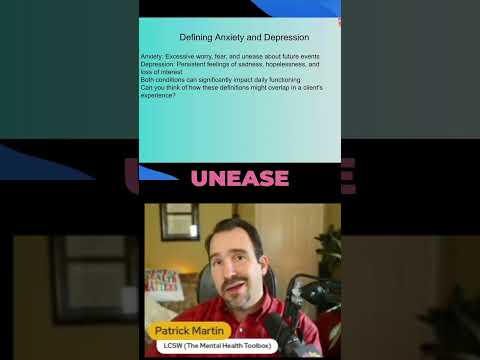
Anxiety is that feeling of worry or fear that keeps you on edge. It’s the racing heart, the nagging thoughts about what could go wrong. On the flip side, depression brings on a heavy feeling of sadness and loss of interest in things you used to enjoy. When these two tag team, it’s like being stuck in a tug-of-war between feeling overwhelmed and feeling hopeless.
You see, anxiety and depression share some common ground. They mess with your brain’s chemistry in similar ways, often leading to overlapping symptoms. Lots of folks with anxiety also experience feelings of worthlessness or persistent sadness—classic signs of depression. It can feel like you’re trapped in this cycle where one condition feeds into the other, you know?
- Physical Symptoms: Both can cause headaches, fatigue, and stomach problems.
- Cognitive Effects: You might struggle with concentration or decision-making in both cases.
- Behavioral Changes: Avoiding social situations can be common when dealing with either or both.
Let’s not forget how each condition impacts your daily life differently but also intersects at key points. For instance, if you’re anxious about work performance, that stress might lead to feelings of inadequacy—a hallmark of depression. Conversely, if you’re already feeling low energy from depression, any anxiety about social interactions might push you further into isolation.
Imagine waking up dreading the day ahead because you’re worried about everything—your job performance, personal relationships—and then realizing that those concerns just sap your motivation to even get out of bed. That emotional weight pulls you down even more.
So what’s the deal with treatment? Well, it’s crucial to address both issues at once instead of treating them separately! Therapists often use cognitive-behavioral therapy (CBT), which helps change negative thought patterns that fuel both conditions. Medications like SSRIs may be prescribed too because they work to balance serotonin levels—helping with both anxiety and depressive symptoms.
It’s important for anyone navigating this tricky terrain to seek support from professionals who understand the interplay between these two conditions. Reaching out for help isn’t a sign of weakness; it’s honestly one of the strongest things you can do for yourself.
In summary, understanding how anxiety and depression co-occur is vital for effective treatment and better mental health overall. By recognizing their intertwined nature and getting appropriate support—and remember this: progress can be slow but every step forward counts!
Exploring the Latest Research on Anxiety and Depression: Key Findings and Insights
Anxiety and depression are like two sides of the same coin. They often show up together, making life feel pretty overwhelming. Recent research has been looking into how these two conditions relate and influence one another. It’s kind of eye-opening to see just how intertwined they are.
First off, it’s worth noting that people with anxiety are more likely to develop depression. In fact, studies show that about **50%** of those with anxiety disorders will experience depression at some point. Can you believe that? It’s like being stuck in a loop where one condition feeds into the other, dragging you down even more.
Another interesting finding is the brain chemistry involved. Both conditions affect similar areas in the brain—like the amygdala and prefrontal cortex—which handle emotions and decision-making. When your brain pathways get tangled up like this, it can lead to a constant state of worry or sadness. You know, it’s like trying to untangle a bunch of holiday lights; frustrating and exhausting!
Stress is another big player here. Research indicates that chronic stress contributes significantly to both anxiety and depression. Stress can mess with your hormonal balance too, leading to increased cortisol levels, which is linked to feelings of fear or dread. Imagine feeling like there’s a weight on your chest all the time—that’s what stress can do.
Then there’s lifestyle factors that can’t be ignored either! Things like poor diet, lack of exercise, and sleep problems can all worsen symptoms of anxiety and depression. Basically, if you’re not taking care of yourself physically, it’s going to take a toll on your mental health too.
Something cool from recent research is looking at treatments that can help tackle both issues at once. Therapies such as Cognitive-Behavioral Therapy (CBT) have shown promising results in managing symptoms for both anxiety and depression together. The idea is to change negative thought patterns into more positive ones—kinda like fixing those tangled lights by sorting them out one by one.
Moreover, lifestyle interventions—like mindfulness practices or regular exercise—are gaining traction as effective ways to handle anxiety and depression together as well! Just taking a daily walk or doing some deep breathing exercises can make a big difference over time.
In closure—sorta speaking—understanding how anxiety and depression dance around each other gives us better insight for managing these conditions together effectively. It paints an important picture about how treating just one thing might not cut it—you’ve got to address both for real improvement!
So yeah, keeping an eye on new research in this field is crucial because it helps us look for better strategies for coping when we’re feeling overwhelmed!
Understanding Anxiety vs. Depression: Key Differences, Similarities, and Impact on Mental Health
Anxiety and depression are two of the most common mental health issues out there. Seriously, they impact so many lives, and yet, they can feel pretty different from each other—while also overlapping in some ways. Let’s break it down.
What is Anxiety?
Anxiety is that nagging feeling of fear or worry. You know, like when you have a big test coming up or you’re about to give a presentation at work? It can feel like your heart’s racing, your palms are sweaty, and your mind is all over the place. That overwhelming urge to escape or prepare for danger? Yeah, that’s anxiety kicking in.
What is Depression?
On the flip side, depression feels more like a heavy weight pressing down on you. It’s that sense of sadness or emptiness that lingers. You might lose interest in things you once loved—like hanging out with friends or binging your favorite show. Basic tasks can feel exhausting. It’s seriously draining.
Key Differences
- Emotional Experience: Anxiety often involves feelings of tension, nervousness, and a constant sense of impending doom. Meanwhile, depression leans toward feelings of hopelessness and worthlessness.
- Physical Symptoms: Anxiety might give you headaches or make you sweat more than usual. Depression can lead to fatigue and changes in sleep patterns; sometimes you can’t get out of bed at all.
- Coping Mechanisms: When anxious, people might try to control their surroundings or avoid triggers altogether. With depression, it often feels like you want to retreat into yourself.
Similarities
Now don’t be fooled into thinking they’re completely separate! They do overlap quite a bit:
- Lack of Focus: Both anxiety and depression can mess with your concentration.
- Irritability: You might find yourself snapping at people more when you’re experiencing one—or both!
- Sleeplessness: Both conditions can mess with sleep; it’s hard to unwind when your mind’s racing or you’re stuck in dark thoughts.
The Impact on Mental Health
Both anxiety and depression affect how we live our daily lives. They can interfere with work performance and relationships too! Imagine trying to connect with someone when you feel overwhelmed by anxious thoughts or clouded by sadness—it’s tough.
And then there’s this tricky cycle where one condition exacerbates the other: if you’re feeling depressed about not being able to manage your anxiety well, it just adds fuel to the fire.
Getting support is crucial! Whether it’s through therapy, talking with friends who understand what you’re going through (I mean really understand), or medication if needed—finding what works for you makes all the difference.
So yeah, knowing how anxiety and depression play off one another helps in navigating life better while taking care of yourself emotionally. Just remember: no matter what you’re feeling right now, you’re not alone in this journey!
You know, sometimes it feels like anxiety and depression are those two annoying party crashers that show up uninvited and refuse to leave. It can be a tangled mess when you’re dealing with both, like having one foot in a pit of despair while the other’s frantically trying to scale a wall of worry. Not fun at all!
I remember a friend of mine who went through this rollercoaster. One week, she’d be overwhelmed by this dread that just wouldn’t quit—like a bad dream clinging on. Then the next, she’d sink into this fog where nothing really mattered. It was frustrating for her, because she didn’t know what to tackle first: the suffocating panic or the deep-seated sadness?
What makes it trickier is how they feed off each other. Anxiety can make you feel so restless and jittery that you can barely focus on anything positive. And then, when you realize how exhausted you are from being on high alert all the time, depression slides in like “Hey! You have no energy to fight me off now!” It’s this vicious cycle that feels impossible to break.
But here’s the thing—it’s totally okay to acknowledge that struggle. Sometimes just recognizing what you’re feeling can feel like a massive weight lifted off your shoulders. But it takes work; finding ways to cope might mean reaching out for support or trying different methods to manage those feelings.
And therapy? Well, that can be a lifesaver. A good therapist helps unravel that knotted ball of emotions and gives you tools for dealing with both anxiety and depression separately but also together—I mean, they interact so much! They might even help shed some light on how your past experiences contribute to your present feelings.
So if you’re navigating through these rough waters—know you’re not alone in dealing with it. Seriously, many people ride this same wave and get through it one step at a time. Finding balance might take time—there will be ups and downs—but every little effort counts towards feeling better in the long run!