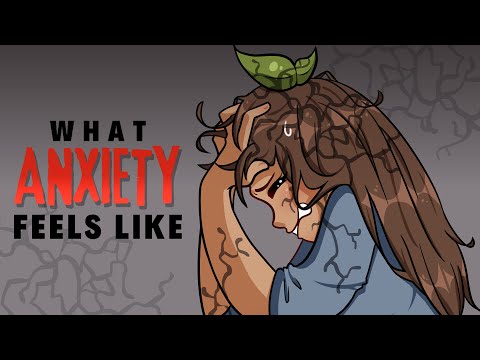
Anxiety can be a real pain. You know, like that constant nagging in the back of your mind that just won’t quit?
Sometimes, it shows up outta nowhere. One minute you’re chilling, and the next, your heart’s racing like you just ran a marathon. So weird, right?
But here’s the thing: recognizing those symptoms early is super important. It can help save you from spiraling deeper into that anxious hole.
So let’s chat about anxiety neurosis. You might be feeling some stuff and wondering if it’s just stress or something more serious. Don’t worry; I got your back!
Understanding Neurosis: Key Insights into This Psychological Condition
Neurosis is one of those terms you might have heard before but may not really get. Basically, it refers to a range of psychological conditions that involve anxiety, depression, obsessive thoughts, or compulsive behaviors. So, when we talk about **anxiety neurosis**, we’re looking at how anxiety can manifest in a person’s day-to-day life.
Imagine sitting in your car at a red light, and instead of just waiting for the green, your mind races through a thousand worries. “What if I miss an important meeting? What if I forget my keys? What if…?” This escalating spiral is something many with anxiety neurosis experience regularly.
Symptoms can vary widely from person to person but commonly include:
- Constant worrying about different aspects of life.
- Feelings of restlessness or being on edge.
- Physical symptoms like racing heartbeat or sweating.
- Trouble concentrating because your mind feels cluttered.
There’s often an intense fear that what you’re feeling isn’t just normal stress but something much worse. This feeling can lead you to avoid situations that trigger your anxiety, ultimately making your world feel smaller and smaller.
Let’s say you’re invited to a friend’s party. You might get all worked up about how you’ll look or what you’ll say—even though you’re usually pretty social. You end up skipping the party altogether because your nerves are too overwhelming. This avoidance can keep growing over time—pretty soon you might be avoiding more social situations out of fear.
Now, it’s easy to think this is just “overthinking” or “being dramatic,” but that’s not really fair. For someone dealing with anxiety neurosis, these feelings are genuine and debilitating. It’s like carrying around an invisible weight all day long.
So what’s behind this? Well, many factors come into play—like genetics, environmental influences (ever had a rough childhood?), and personal experiences (think trauma or prolonged stress). Sometimes it’s hard to pinpoint exactly where the anxiety comes from; it just feels there like an unwelcome guest in your head.
Getting help is super important if you think you’re struggling with this kind of anxiety. Therapy is often one of the best routes—specific approaches like Cognitive Behavioral Therapy (CBT) can help change negative thinking patterns and teach coping strategies.
And don’t forget about medication options that might be available! Things like SSRIs can sometimes help manage symptoms effectively, although they work best when paired with therapy rather than as a standalone solution.
In short, understanding neurosis—especially related to anxiety—is crucial in recognizing its impact on daily life. These aren’t just passing clouds; they can shape how you engage with the world around you. Seeking help isn’t just okay—it’s necessary for reclaiming joy and peace in life again!
Understanding Anxiety Neurosis: Key Symptoms and How to Recognize Them
You know, anxiety neurosis is something a lot of people deal with, but it can be pretty tricky to recognize. It’s not just feeling nervous or stressed out; it’s like your brain gets stuck in overdrive. Let’s break this down a bit.
First off, what is anxiety neurosis? Well, it’s a term used to describe constant feelings of anxiety that can interfere with your daily life. It’s not just about having a bad day or being worried about an exam or something like that. This kind of anxiety sticks around and can feel overwhelming.
Now, you might be asking, how do I know if I’m dealing with this? There are some key symptoms to look out for:
- Excessive Worry: Are you finding yourself worrying about everything all the time? Even small things might feel like huge mountains.
- Restlessness: Does it feel like you can’t sit still? Like there’s too much energy buzzing inside? That can be a solid sign.
- Tiredness: Ironically, all this worrying can wear you out. You could feel completely drained even when you haven’t done much.
- Sweating or Shaking: Physical symptoms pop up too! Do your palms get sweaty for no reason? Or maybe your hands shake when you’re anxious?
- Panic Attacks: For some folks, intense panic attacks come into play. This feels like the world is closing in on you and can be really scary.
And let’s talk about what happens when these symptoms kick in. Imagine you’re sitting at work, and suddenly, your heart starts racing. You can’t focus on anything because your mind is racing through a thousand thoughts at once—sound familiar? That tightness in your chest? It’s not just stress; it might be anxiety neurosis saying hello.
You know, I once spoke to someone who felt constantly on edge. They’d go to bed but couldn’t stop thinking about the smallest things from their day—like whether they said the wrong thing to a friend or forgot an important task. This spiraled into sleepless nights and cranky mornings—it was tough!
As for recognizing these symptoms, it’s not always easy since everyone experiences them differently. Some folks might have trouble concentrating while others could end up isolating themselves because facing the world feels too daunting.
So what should you do if this resonates with you? Well, reaching out for help is key! Seriously! Whether that means talking to friends or a mental health professional can make all the difference.
If any part of this sounds familiar—don’t ignore it! Anxiety neurosis isn’t something that will just go away on its own. Getting support can help lighten that mental load you’re carrying around.
In short, recognizing anxiety neurosis isn’t always clear-cut. Keeping an eye on those persistent symptoms and reaching out for support when needed makes a world of difference!
Uncovering the Strange Physical Symptoms of Anxiety: What Your Body is Trying to Tell You
Anxiety is a real beast, and it doesn’t just mess with your mind; it can express itself through your body in some pretty weird ways. You know, like when you’re sitting there, and suddenly your heart starts racing for no reason. Or you feel dizzy, like you just walked off a rollercoaster? Your body has its own way of letting you know that something’s up.
Physical symptoms of anxiety can range from mild to downright unsettling. Here’s the thing: they’re not just in your head. They’re very real responses from your body trying to deal with stress or fear. When you feel anxious, your body goes into fight or flight mode – that’s a classic survival instinct.
So here’s how it usually looks:
- Increased Heart Rate: Ever felt like your heart is trying to break the sound barrier? That’s common during anxiety spikes. It might feel like you’re jogging without even moving an inch.
- Dizziness or Lightheadedness: This one’s tricky. Anxiety can make you feel woozy, almost like you’ve spun around too fast at a carnival. It can be disorienting.
- Tightness in the Chest: You might catch yourself holding your breath without realizing it. That feeling of pressure across your chest isn’t just stress; it’s anxiety giving you a little nudge.
- Nausea or Stomach Issues: Some folks get butterflies in their stomach when anxious; for others, it’s more like a rollercoaster ride gone wrong—definitely not fun!
- Persistent Sweating: Sweaty palms or an overall clammy feeling? Yup, that’s anxiety telling you something’s off, even if you’re sitting still.
- Tremors or Muscle Tension: Feeling shaky? Your muscles might be tensed up because they’re ready to spring into action—or maybe they’ve been on high alert for too long.
So picture this: you’re about to give a presentation at work. Your palms are sweaty, your heart is racing, and suddenly you’re all jittery inside. You might think it’s just nerves (which it is), but what happens is that those physical reactions are actually part of how your body responds to perceived danger.
Of course, these symptoms can be pretty alarming! It’s easy to jump to conclusions and think something worse is happening health-wise, right? But recognizing that these physical sensations often stem from anxiety is key to managing them.
If you find yourself struggling with these physical symptoms regularly—and they’re impacting your life—don’t hesitate to reach out for support! Talking with someone who gets it—a therapist or counselor—can really help put things into perspective.
And remember: Your body isn’t betraying you; it’s just dealing with stress in its own unique way! By understanding these signals better, maybe you’ll learn how to calm those jitters before they take over the show.
So, anxiety neurosis, huh? It can be a real beast. I remember a friend once telling me how she felt like she was constantly hovering on the edge of a cliff, just waiting for something to go wrong. This feeling consumed her day-to-day life. She was juggling work, family expectations, and her own expectations too. The pressure built up, and soon enough, it was hard for her to catch a breath without feeling like the world was closing in.
Now let’s talk about those symptoms—it’s not always easy to spot them if you’re not paying attention. For instance, you might find yourself getting more easily irritated or restless than usual. Or maybe you’ve noticed that your stomach is in knots over little things that shouldn’t really bother you. You could be sleeping poorly or feeling just plain exhausted all the time, even when nothing super stressful is happening.
It’s kind of funny when you think about it—your brain’s like this overzealous security guard, constantly on high alert for danger that isn’t really there. Some folks get so wrapped up in this cycle that they end up avoiding places or activities they used to love because their brains are always whispering “What if?” That constant worry? It’s like running a marathon with no finish line in sight!
Recognizing these symptoms can be tough because they often blend into our daily lives like an unnoticed background noise. You might brush them off as just having “a lot on your plate.” But the thing is, acknowledging them can be the first step towards finding some relief. If you ever feel like anxiety’s taking the wheel, it’s totally okay to reach out for help. Trust me on this one; talking about it can lift some of that weight off your shoulders.
So yeah—the signs are there if you know what to look for but don’t forget: you’re not alone in this struggle! There are ways out of the confusion and fog—just gotta take that first step together with someone who can help guide you through it all.