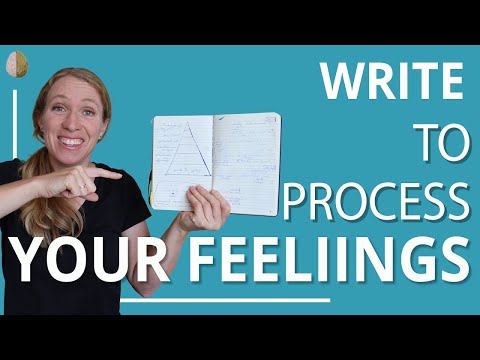
Hey, let’s talk about something that might sound a bit odd at first—an anxiety notebook. Yeah, you heard me right! It’s not just a fancy journal or another empty book collecting dust.
You know that feeling when your mind feels like it’s racing and you just can’t catch a break? I totally get it. Writing stuff down can be super helpful, like hitting the pause button for a moment.
Imagine grabbing a pen and letting all those whirlwind thoughts spill out onto the page. Pretty liberating, huh? There’s something magical about putting your feelings in ink. Seriously, it can make a world of difference in calming that anxious mind of yours.
So, stick around as we explore how this little notebook can pack a serious punch in your mental health journey. You might just find yourself wanting to give it a try!
Unlocking Wellness: A Comprehensive PDF Guide to Journaling for Mental Health
Journaling can be like that trusty friend who listens without judgment. Seriously, there’s something kind of magical about putting pen to paper (or fingers to keyboard, if you’re more modern) when it comes to your mental health. It helps you untangle thoughts and feelings, making them easier to understand.
When it comes to tackling anxiety, an **anxiety notebook** can be particularly helpful. Think of it as your personal space to explore and express what’s swirling around in your mind. You don’t need fancy stationery or a specific format; just write what feels right for you.
Here are some ways journaling can assist with your mental wellness:
- Emotional Clarity: Writing down your emotions can help clarify what’s bothering you. Sometimes when we’re anxious, we struggle to pinpoint exactly why. Getting those feelings out can make them less intimidating.
- Problem Solving: When you write about a stressful situation, it often helps you see solutions that were hidden before. You might find yourself brainstorming different ways to handle things just by writing them down.
- Tracking Triggers: Keeping a journal can help track patterns in your anxiety. If you notice certain events or thoughts consistently lead to anxious feelings, that knowledge is power!
- Gratitude Lists: Adding a section for gratitude can shift focus from anxiety to the positive aspects of life. It’s amazing how reflection on good things can lighten up the mood.
- Mindfulness Practice: Journaling encourages mindfulness by forcing you to stay present with your thoughts and feelings instead of letting them race ahead.
I remember a time when I felt overwhelmed with all these racing thoughts about work and personal life. I started jotting down everything I was feeling—anxieties, worries, even random thoughts that popped into my head at awkward times (like while waiting in line for coffee). Surprisingly enough, just getting all those jumbled ideas out felt like lifting a weight off my chest.
Some folks find it helpful to set aside time each day or week for journaling while others prefer writing whenever they feel the urge—no rules here! You might want to consider prompts if you’re not sure where to start. Something simple like “What made me anxious today?” or “What am I thankful for right now?” could spark some deeper reflections.
The beauty of journaling is that it’s flexible; it evolves as you do. You might start with pages filled with worries but eventually incorporate sketches, quotes, or even doodles that reflect how you’re feeling at the moment.
So go ahead—grab whatever you’ve got handy and let those thoughts flow! Whether it’s about dealing with anxiety or just day-to-day musings, the act of writing itself is where the healing really begins.
Unlocking Mental Wellness: The Proven Scientific Benefits of Journaling for Better Mental Health
Journaling can be a game changer when it comes to mental wellness. Seriously, it’s one of those simple activities that packs a punch for your mental health. Think about it: when you write down what’s swirling in your mind, you’re giving yourself a chance to breathe and process those thoughts.
So, here’s the scoop. Writing can help you make sense of your feelings and experiences. It’s like chatting with a friend who won’t interrupt or judge you. You can spill your guts about anxiety, stress, or whatever’s bugging you without worrying about how it’ll come off.
One major benefit of journaling is emotional release. When you put pen to paper (or fingers to keys), you’re unburdening yourself from all that internal chaos. Stress tends to build up if we don’t deal with it, right? Journaling helps release some of that pressure in a healthy way.
Another cool thing is that it boosts self-awareness. You might start noticing patterns in your thoughts or behaviors when you journal regularly. For example, if every Sunday night you’re writing about feeling anxious for the week ahead, it’s a signal that something might need tweaking in your routine.
And get this: studies show journaling can actually improve mood and help manage symptoms of anxiety and depression. It seems like the act of writing helps us process our emotions more effectively. By expressing what we feel, we allow ourselves space to work through them rather than getting stuck in our heads.
But here’s a catch—not all journaling is created equal. You gotta find what works for you! Some people thrive on structured prompts like “What made me happy today?” while others prefer free writing—just letting whatever comes out flow onto the page.
Also, keeping a gratitude journal can bring lots of benefits too! Focusing on what you’re grateful for shifts your mindset from negative spirals toward positivity. Suddenly those small joys light up your day a little more brightly.
So if you’ve been thinking about starting an anxiety notebook or just want to explore journaling as a tool for mental wellness, go for it! Start small; even five minutes a day can make a world of difference over time.
In summary:
- Journaling provides emotional release.
- It enhances self-awareness by revealing patterns.
- This practice helps improve moods and manage anxiety/depression.
- You should find a style that suits you best—structured vs freeform!
- A gratitude journal is another powerful tool worth considering.
All in all, what happens is simple: Journaling invites calmness into the chaos and creates space for healing. So grab that notebook—your mental health deserves some TLC!
10 Powerful Journaling Techniques to Boost Your Mental Health
Sure! Here’s the scoop on journaling techniques that can seriously help in boosting your mental health, especially for dealing with anxiety. Writing things down can be pretty transformative. It’s like having a chat with yourself but, you know, in a way that makes sense and helps clear out that mental clutter. Anyway, let’s get into some powerful journaling techniques.
1. Daily Gratitude Lists
This one’s a classic! Each day, jot down three things you’re grateful for. They don’t have to be huge; even the smallest things count. Maybe it was a good cup of coffee or a kind word from a friend. Trust me, focusing on these positive bits can shift your mindset.
2. Stream of Consciousness
Just write whatever comes to mind without worrying about grammar or structure. It’s like letting your brain spill onto the page. This technique helps release pent-up thoughts and emotions that may be causing anxiety.
3. Visualization Journals
Instead of just writing about your day or feelings, draw or describe how you want your future to look like. If you envision success, happiness, or peace—write it down! It’s a creative way to manifest those feelings.
4. Emotional Check-Ins
Set aside time each week to note your feelings and why you might be feeling them. This helps in recognizing patterns over time and seeing what triggers certain emotions—like stress or anxiety.
5. Solution-Focused Journaling
When facing a particular problem or worry, write it down followed by possible solutions you can think of—no matter how far-fetched they may sound at first! This could lead to some surprising insights.
6. Themed Journals
You could dedicate different notebooks for particular themes: one for anxiety, another for dreams, etc., like compartments in your mind! This keeps things organized and accessible when you need to revisit specific feelings later on.
7. Affirmation Journals
Daily affirmations are powerful! Write positive statements about yourself daily: “I am enough,” “I am strong.” Repeating positive words reinforces self-belief and helps counteract negative thoughts during anxious moments.
8. Reflection on Past Experiences
Choose an experience that left an impact on you—good or bad—and reflect on how it shaped who you are today. Writing this helps process experiences and provides valuable lessons moving forward.
9. Mind Mapping
If you’re feeling overwhelmed with thoughts, use mind mapping! Start with a central idea written in the middle of the page and branch out with associated thoughts or feelings around it visually—it’s a great way to organize chaos!
10. Letter Writing (to Yourself)
Write letters as if you’re addressing yourself at different ages—from childhood till now—and give advice based on what you’ve learned through life experiences now as an adult. It’s super cathartic!
So yeah, picking up these journaling techniques can really give your mental health a nudge in the right direction—you know? Just remember there isn’t one right way to journal; it’s all about finding what works best for *you*. It’s kind of like talking with an old friend who just gets it without any judgment whatsoever!
You know, the whole idea of an anxiety notebook might seem a little quirky at first. But honestly, it can be pretty powerful. I mean, think about it—when you’re feeling overwhelmed by anxiety, everything inside your head can feel like a tangled ball of yarn. Writing stuff down helps untangle those feelings and thoughts. It’s like giving your brain a little room to breathe.
I remember a friend of mine who struggled a lot with anxiety. She felt trapped in her thoughts, and just talking about it didn’t seem to cut it. So, one day, she decided to start jotting things down in this cute notebook she bought. At first, her entries were all over the place—random worries about work, family stuff, even that time she tripped in front of her crush (cringe-worthy moments are always the worst!). But over time, something shifted for her.
As she filled pages with her anxious thoughts and feelings, she began to see patterns. Like how certain situations made her feel more anxious or how some coping strategies helped. It was almost like gaining clarity from chaos! Seriously empowering stuff.
And it’s not just about venting your worries; it’s also a space for self-reflection and gratitude—a chance to acknowledge those glimmers of joy amidst the storms of anxiety. You can write down what you’re thankful for or little wins you’ve had during tough days—it shifts your focus from what’s going wrong to what’s going right.
If you’re sitting there thinking this sounds too simple or even silly—don’t knock it till you try it! The healing journey is unique for everyone; sometimes it’s finding that one tool that really works for you amidst all the options out there.
So yeah, an anxiety notebook isn’t just for scribbles; it’s more of a companion on your road to feeling better. If you’re wrestling with anxious thoughts and need somewhere to put them without judgment or fear of being misunderstood—give this idea a whirl! You might find that writing helps put things back into perspective and calms that storm inside your head just a bit more each time you write something down.