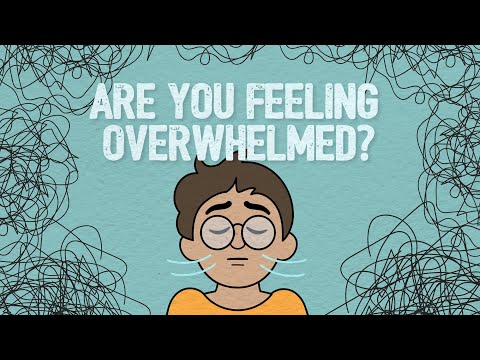
You know that feeling when your mind just won’t shut up? Seriously, it’s like a hamster on a wheel, just going and going. Racing thoughts can be super exhausting.
It’s like your brain is throwing a party, but no one wanted to be invited. You might find yourself spiraling into worry and stress—totally overwhelming, right?
But here’s the thing: you’re not alone in this! A lot of folks deal with it, and there are ways to slow that mental train down. Let’s chat about managing those pesky racing thoughts together. Trust me; it can make a world of difference for your mental health!
Effective Strategies for Managing Racing Thoughts and Anxiety Relief
Managing racing thoughts can be, like, super tough. Those moments when your mind feels like it’s running a marathon? Yeah, we’ve all been there. You might find yourself tossing in bed, thinking about everything you have to do tomorrow or dwelling on past mistakes. It’s exhausting.
One effective strategy is mindfulness meditation. This is all about being present without judgment. You could try focusing on your breath for a few minutes. Just pay attention to how it feels as you inhale and exhale. Your mind will probably wander—totally normal! Just gently bring your focus back to your breath when it does. So simple, yet so powerful.
Another great technique is grounding exercises. When those racing thoughts kick in, grounding helps pull you back into reality. You could do something called the 5-4-3-2-1 technique: you name five things you can see, four things you can touch, three sounds you hear, two things you smell, and one thing you taste. Seriously helps to shift your focus away from that chaotic mental chatter.
And then there’s written expression. Keeping a journal or just scribbling down what’s on your mind can be super cathartic. It might feel messy or jumbled at first but getting those thoughts out of your head and onto paper can lighten the load a bit.
Also, deep breathing exercises are a game changer too! You know how sometimes when you’re anxious, your breathing gets all fast and shallow? It creates this cycle of anxiety that’s hard to break. Try inhaling deeply through your nose for four counts, holding for four counts, and then exhaling slowly through your mouth for six counts. Repeat this a few times—it really calms the body down.
Lastly, don’t overlook the power of routine! Establishing a consistent daily schedule can help create a sense of stability in your life. Make room for activities that bring you joy or help relax you—like reading or going for long walks in nature. Having that structure helps tackle uncertainty which often fuels anxiety.
Look, managing racing thoughts isn’t about eliminating them totally; it’s more about finding ways to cope with them better. It takes practice and patience but using these strategies consistently can seriously make a difference in maintaining better mental health over time. Remember: you’re not alone in this journey!
Mastering the 3-3-3 Rule: A Simple Strategy to Overcome Overthinking
Overthinking can be a real mental roadblock, especially when anxiety kicks in. It’s like your brain hits the gas pedal and won’t stop. You might find yourself spiraling through a million “what ifs” about your day or that project you have at work. But hey, there’s a simple method to help you wrangle those racing thoughts: the 3-3-3 rule.
So, what’s this 3-3-3 rule? Basically, it’s about grounding yourself by focusing on your surroundings and thoughts. When you feel overwhelmed, try this:
- Look around: Identify three things you can see. Maybe it’s the clock ticking away on the wall, that potted plant in the corner, or your laptop screen.
- Listen closely: Tune into three sounds around you. You might hear the humming of the fridge, people chatting outside, or maybe even some birds chirping.
- Move your body: Engage three parts of your body. Wiggle your fingers, stomp your feet lightly on the ground, or roll your shoulders back.
Now imagine this: you are sitting in a coffee shop and suddenly feel super anxious about an upcoming interview. Your mind races through every possible mistake you could make. Instead of spiraling down that rabbit hole, pause for a moment and do the 3-3-3 rule.
You glance around and notice a quirky painting on the wall (1), some headphones someone left on a table (2), and the barista pouring coffee (3). Next, focus on sounds—maybe there’s music playing softly (1), someone laughing somewhere (2), and you can hear cups clinking together (3). Finally, take a second to stretch those muscles; wiggle those fingers (1), roll your shoulders back (2), and take a deep breath in and out to relax that chest (3).
This practice does wonders because it snaps you back into reality instead of letting anxiety pull you far away into those overwhelming thoughts.
But why does it work? The thing is when you’re focused on external stimuli—like sights and sounds—it draws attention away from all that chaotic inner dialogue going on in your head. Basically, it’s like hitting pause on that overthinking reel.
And don’t forget: practicing this regularly can really help with managing anxiety in the long run! Over time you’ll train your brain to settle down much quicker when it starts racing.
Using the 3-3-3 rule isn’t just something cool to try; it’s effective for anyone dealing with racing thoughts now and then. In fact—so I’ve heard—it can even be handy before big events like presentations or tough conversations!
Remember though: if anxiety keeps popping up often or feels unmanageable—that’s okay too! Sometimes talking things out with someone like a therapist really helps sort through those feelings.
So yeah—next time you’re caught up in overthinking? Try stopping for just a minute to go through each step of 3-3-3. You’ve got this!
7 Proven Techniques to Quickly Stop Anxiety Thoughts and Find Calm
You know when your mind just won’t shut up? Racing thoughts can be like that annoying song stuck in your head, and it makes everything feel way more overwhelming. But don’t worry, there are ways to manage those pesky thoughts and find some calm amid the chaos. Here’s a bunch of techniques that could help you take a breather.
1. Grounding Techniques
Think about using grounding exercises. This means focusing on what’s real right now instead of getting lost in your head. One common method is the 5-4-3-2-1 technique—identify five things you can see, four you can touch, three you can hear, two you can smell, and one you can taste. It pulls you back to the present moment and helps quiet those racing thoughts.
2. Deep Breathing
Seriously, taking deep breaths can do wonders. Try inhaling deeply through your nose for a count of four, holding it for another four counts, then exhaling through your mouth for six counts. It’s like telling your body to chill out a bit. Just picture those anxious thoughts floating away with each exhale.
3. Mindfulness Meditation
Ever tried mindfulness meditation? It’s all about focusing on the here and now without judgment. You don’t have to sit cross-legged on a mountain or anything; just find a comfy spot and pay attention to your breath or sounds around you for a few minutes each day. You’ll start to notice those racing thoughts slow down as you build this practice.
4. Journaling
Writing down what’s buzzing around in your brain can be super helpful too! Grab a notebook and jot down whatever comes to mind—no filtering or worrying about grammar needed! It’s kind of like getting rid of mental clutter so that space opens up for more positive vibes.
5. Physical Activity
Movement helps shake off anxiety! You don’t even have to hit the gym hard; just going for a walk or dancing to your favorite tunes at home works wonders too! The endorphins released make everything feel lighter—and it’s hard for racing thoughts to keep up when you’re grooving!
6. Limit Stimulants
Hey, caffeine might be great in the morning but cutting back could really help if anxiety is creeping in more than usual! Too much caffeine can ramp up anxious feelings and contribute to those racing thoughts—not ideal for anyone trying to find peace.
7. Reach Out
Talk turns out to be really powerful! Connecting with someone you trust about how you’re feeling helps relieve some emotional pressure. Sometimes just saying things out loud makes them seem less scary than they do when they’re swirling around in your head.
So that’s what I’ve got! The key is finding what clicks with you and being kind with yourself during the process; after all, managing anxiety takes time and practice—it ain’t always easy but it’s definitely worth it!
Ever had those nights when your mind just won’t shut up? You’re lying there, trying to catch some z’s, and instead, it’s like your brain is playing a never-ending highlight reel of every awkward moment you’ve ever had. You know the kind—racing thoughts sneaking in, whispering all sorts of worries and “what ifs.” It’s super frustrating.
So, what is it about anxiety that cranks up this mental chatter? Well, when you’re anxious, your brain tends to go into overdrive. It’s like a hamster on a wheel—just spinning and spinning, but not really going anywhere. Sometimes you might find yourself stuck on one thought for way too long. And honestly? That can feel draining.
I remember this one time I was preparing for an important presentation at work. The day before, I just couldn’t stop replaying every single detail in my head. What if I forgot my lines? What if people laughed at me? It felt so overwhelming that I almost wanted to bail out completely! But then I realized that spiraling wasn’t helping. It was just making the anxiety worse.
You might be wondering how to manage these racing thoughts when they come knocking at your door (or crashing through the window). There are definitely some tricks to help calm that mental noise down a bit. One simple strategy is grounding techniques. This could be something as easy as taking deep breaths or focusing on the world around you—a tree outside or even the textures of an object nearby. Sounds easy enough, right? But trust me, it works!
Another thing to consider is journaling. Seriously! Just writing things down can help clear away some of that mental clutter. You know how sometimes just getting stuff off your chest feels like a weight lifted? That’s exactly what journaling does for your mind—it helps you sort through all the chaos.
And while we’re at it—don’t shy away from reaching out to someone if things feel too heavy to handle on your own. Talking with friends or even a therapist can give you different perspectives and tools for managing those racing thoughts.
You’re not alone in this; everyone deals with anxiety in their own way. What matters is finding methods that resonate with you personally so you can slow down that racing train of thoughts and take back control over your mental health—even if it’s just one breath at a time! So next time those pesky thoughts come rushing in, remember: you’ve got ways to keep them in check!