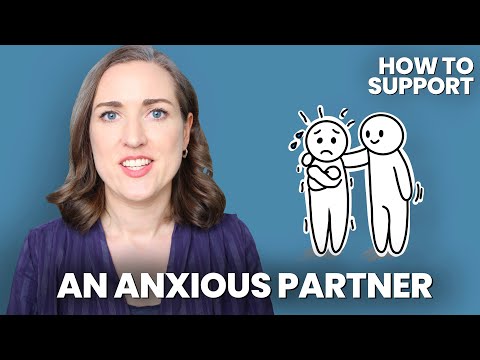
So, let’s chat about relationships for a sec. Ever felt like you’re on a rollercoaster when it comes to love? One minute you’re all in, and the next you can’t breathe from the anxiety?
Yeah, that’s real life for a lot of folks—especially if you’ve got an anxious or disorganized attachment style. It’s like your heart wants one thing, but your brain’s throwing up all sorts of red flags. Confusing, right?
I mean, who hasn’t texted their partner a million times just to feel closer, only to freak out when they don’t respond immediately? You’re not alone in this wild ride!
In this little chat, we’ll break down how these attachment styles can mess with your head and your relationships. Plus, I’ll share some nuggets on how to navigate those tricky waters and find some peace amid the chaos. Sound good? Let’s get into it!
Understanding Anxious Attachment Styles: Key Insights for Healthier Relationships
Understanding anxious attachment styles can seriously change the game when it comes to your relationships. It’s like having a cheat sheet for understanding your feelings and needs, and also figuring out how to communicate better with those you care about.
Anxious attachment often stems from early experiences. Imagine a child who gets inconsistent responses from their caregiver. One moment they’re showered with love, then the next, it’s like they’ve disappeared. That creates this deep-rooted fear of abandonment or rejection. So, when these folks grow up and form romantic relationships, they might doubt their partner’s feelings. They often need constant reassurance and tend to worry that their partner might leave them at any moment.
Key traits of anxious attachment styles include:
- High sensitivity to relationship dynamics
- Fear of being rejected or abandoned
- Strong need for validation and reassurance
- Tendency to overanalyze situations
- Difficulty trusting partners fully
For instance, let’s say you have a friend named Sarah. She tends to send multiple texts asking if her partner is okay or if they’re mad at her, even for the smallest things—like forgetting to reply quickly. This might seem clingy on the surface, but deep down it’s her anxiety kicking in, making her feel insecure.
Another thing is the emotional rollercoaster these individuals experience in relationships. One moment they’re blissfully happy; the next, they could be spiraling into fear or doubt based solely on how their partner acts or responds. It’s exhausting, not just for them but also for their partners who may struggle to keep up with the emotional intensity.
Now let’s chat about how people with an anxious attachment style can work towards healthier relationships:
Some strategies for growth include:
- Self-awareness: Understand your triggers and how past experiences shape your current feelings.
- Healthy communication: Expressing needs openly rather than waiting for a partner to guess what you need.
- Breathe through the anxiety: Practicing mindfulness can help ground you in moments of panic.
- Avoid overthinking: Try not to jump to conclusions too quickly; take a step back sometimes!
Let’s talk about John and Lisa—a couple navigating these waters together. John has an anxious attachment style while Lisa is more secure in hers. When John feels insecure, he might panic and start imagining worst-case scenarios about their relationship. Lisa notices this behavior and gently reassures him without dismissing his feelings. She encourages him to share his worries instead of bottling them up.
It helps him feel validated while also strengthening trust between them! You see? With effort from both sides, it’s possible for individuals with an anxious attachment style to create meaningful connections without getting lost in anxiety.
Remember that personal growth takes time—and that’s completely okay! No one’s perfect; we all have our baggage, right? So as you navigate these complex feelings within yourself or someone close to you, just keep open lines of communication and tons of patience on deck—because that’s what really helps build solid foundations for healthier relationships!
Understanding Anxious Attachment Style in Relationships: Key Insights and Tips for Growth
Anxious attachment style can really throw a wrench into relationships, you know? It’s like being on a roller coaster where you’re always waiting for the next dip. People with this attachment style often feel insecure about their partner’s feelings and worry that they might abandon them. It can lead to clinginess or needing constant reassurance.
You might find yourself asking your partner if they love you, even when they just told you five minutes ago! It’s not because you don’t trust them; it’s more about a fear of rejection that’s kind of baked into how you connect with others.
Key Characteristics
People with anxious attachment often display certain traits. You may notice they:
- Have high sensitivity to their partner’s moods.
- Fear being alone or abandoned.
- Seek approval and reassurance frequently.
- Experience intense emotional highs and lows.
This attachment style usually stems from childhood experiences, where caregivers might have been inconsistent—sometimes loving, other times distant. These early dynamics shape how we view relationships as adults.
Let’s say you’re out with your partner, and they’re texting someone else. Your mind might race to worst-case scenarios: “Are they losing interest? Am I not enough?” This spiraling can lead to anxiety that sometimes feels overwhelming.
How Anxious Attachment Affects Relationships
In romantic relationships, anxious attachment can manifest as:
- Clinginess: You feel the need to be around your partner all the time.
- Doubt: You struggle to believe your partner really loves you.
- Irrational jealousy: You might get upset over small things that actually have nothing to do with your relationship.
It’s essential to communicate openly with your partner about these feelings. For example, if you’re feeling insecure one day, telling them may help prevent misunderstandings. But hey, explaining it without blaming them is key!
Tips for Growth
If you’re looking to grow out of an anxious attachment style, here are some pointers:
- Acknowledge Your Feelings: It’s okay to feel anxious sometimes—recognizing those feelings is the first step!
- Simplify Communication: Share what you’re experiencing instead of bottling it up. Use «I» statements—like «I feel worried when I don’t hear from you»—to express yourself without sounding accusatory.
- Find ways to calm yourself down when anxiety hits. This could be deep breathing or even taking a walk.
- Avoid Overthinking: Challenge those negative thoughts by reminding yourself of past moments where things turned out fine.
Growth takes time; don’t rush yourself. Consider therapy too—it can be a safe space where someone helps untangle these complicated emotions.
Ultimately, understanding anxious attachment is all about recognizing patterns and actively working on healthier ways of connecting. With patience and effort, it’s possible to cultivate more secure attachment styles in relationships!
Understanding and Loving Someone with Disorganized Attachment: A Guide to Nurturing Healthy Relationships
Having a loved one with a disorganized attachment style can feel like navigating through a maze—one minute, you’re feeling close, and the next, there’s confusion or distance. This attachment style often stems from inconsistent caregiving during childhood. So, basically, the child learns that love is unpredictable. As adults, they might struggle with emotional regulation and trust.
Understand Their Background
First off, it helps to understand where this behavior comes from. People with disorganized attachment may have experienced trauma or neglect—sometimes both. It’s not that they don’t want to connect; it’s just that they don’t quite know how to do it in a stable way. You might notice them oscillating between seeking closeness and pushing you away.
Communicate Openly
A big part of loving someone with this attachment style is communication. Be direct about your feelings and let them know what you need too. It can feel like an emotional rollercoaster when they’re hot and cold! Just remember when emotions go high, communication needs to stay calm and clear. Otherwise, things can spiral out of control quickly.
- Set Clear Boundaries: This helps both of you know what’s okay and what isn’t in the relationship.
- Create Safe Spaces: Make sure they feel secure being vulnerable around you.
- Acknowledge Their Feelings: Don’t brush their feelings off; seriously validate what they’re going through.
Pace the Relationship
You may need to take things slow. Sometimes they push for intimacy but then dart away when it gets too deep—it’s totally confusing! If you catch them withdrawing after a moment of closeness, don’t take it personally—it’s just their way of coping with fear and insecurity.
Nurture Stability
This is key! Try to build routines or traditions together because stability can be really comforting for someone who struggles with chaotic emotions. Think about consistent date nights or weekly check-ins on each other’s feelings. You know what I mean?
- Practice Patience: Healing takes time; don’t rush them into making big changes overnight.
- Avoid Triggers: If certain topics make them shut down, steer clear until they’re ready to talk.
Soothe Anxiety Together
If their anxiety peaks during conflicts or emotional discussions, help soothe it by using calming phrases or even physical comfort like holding hands or hugs—if that feels right for both of you. A little grounding exercise might help too! Something simple like taking deep breaths together can really make a difference in those tense moments.
Your patience and understanding can go a long way in creating a relationship that feels safe for both of you. After all, loving someone with disorganized attachment isn’t just about dealing with their issues; it’s also about growing together into something more fulfilling!
If things get tough—and let’s be real sometimes they will—consider suggesting therapy as an option for your loved one or even couple’s therapy to navigate those choppy waters together.
Relationships can feel like a bit of a rollercoaster, can’t they? If you’re someone who has experienced anxious or disorganized attachment styles, you probably know what I mean. It’s like you’re on this ride, and one minute you’re at the top, feeling all the love and connection; the next minute, you’re spiraling down into doubt and confusion.
I remember talking to a friend who was really struggling with her relationship. She loved her partner but often felt unsure about whether they actually cared for her. One moment she was happy, feeling connected and safe, and then she’d suddenly panic if he didn’t text back right away. It totally made sense once we dug into it. That’s exactly what an anxious attachment style can do—it makes you constantly seek reassurance while also fearing abandonment.
Then there’s disorganized attachment. This one can be even trickier because it combines elements of both anxious and avoidant styles. Imagine feeling close one minute but terrified of getting hurt the next. My cousin went through something like this in a past relationship. Sometimes she’d pull away completely when things got too intense, almost like she wanted to sabotage her own happiness because of that deep-seated fear of intimacy.
So how do you navigate this mess? First off, it’s about recognizing your patterns—like noticing those moments when you spiral into insecurity or push your partner away. Awareness is huge! It’s a little like turning the light on in a dark room; suddenly you see where all those shadows are coming from.
Communication is key too. You don’t have to go at it alone! Sharing your feelings with your partner can help build that trust, even if it’s scary at first. They might not know what you’re dealing with until you say something!
And honestly? Professional support can be a game changer. Therapy can give you tools to work through these feelings and understand your attachment style better.
In relationships, there will always be ups and downs—like twists on that rollercoaster ride—but navigating anxious and disorganized attachments doesn’t have to be overwhelming. With time and effort, you can find some steady ground amid all that chaos!