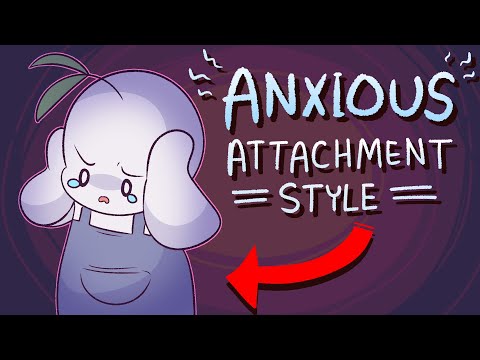
You know that feeling when you’re just waiting for a text back, and your stomach feels like a roller coaster? Yeah, that’s anxiety creeping in. It’s funny how our past can mess with our present, right?
Well, anxious attachment is one of those things that can totally shape your relationships. Ever felt like you’re on high alert in your friendships or romantic life? That’s often rooted in how we connected with our caregivers growing up.
Let’s unpack it together! There are some real gems to discover about why we do what we do when it comes to love and trust. So, stick around; it’s going to be a wild ride!
Understanding Anxious Attachment: Exploring Its Roots and Impact on Mental Health (PDF Guide)
Anxious attachment is one of those things that can really shape how you approach relationships throughout your life. So, let’s break it down, shall we?
First off, anxious attachment usually starts in childhood. Kids who grow up with inconsistent caregivers—like a parent who’s super loving one day and totally distant the next—might develop this anxious style. Basically, they learn to be hyper-aware of their caregiver’s mood swings. You know how sometimes you can tell when someone’s going to snap or be all warm? That’s what these kids do with their parents.
When you have an anxious attachment style, your brain gets all scrambled when it comes to relationships later on. You might find yourself constantly worrying: “Do they like me?” or “Are they going to leave me?” It’s like having this little voice that won’t shut up about your fears. This anxiety can spill over into various aspects of your life. You might feel jealous easily or over-analyze texts from friends or partners. Talk about exhausting!
The roots of this attachment go way deeper than just a rough childhood. Research suggests there are biological factors too! Some folks are just more sensitive to stressors in general; so when emotional situations pop up, they react more intensely than others. This means their anxiety in relationships might be a combo of early experiences and something wired into their brains.
And here’s where it gets tricky: anxious attachment can lead to serious mental health issues. We’re talking anxiety disorders and depression if those worries go unchecked for too long. Social situations might feel simply overwhelming because each interaction feels like a minefield—you’re tiptoeing around trying not to trigger any bad vibes.
Think about a friend who always needs reassurance after every single hangout, like “Did you have fun?” or “Are we cool?” It can get tiring for both sides, right? You want to support them but you also need space… and then that just triggers more anxiety for them! It becomes this cycle that seems impossible to break.
What happens is people with anxious attachment often find themselves caught in a tug-of-war between wanting closeness but fearing abandonment at the same time. They might even push people away without realizing it because they’re scared of getting hurt first. It’s tough!
So, what can help? Therapy is actually super effective for tackling these roots head-on. Cognitive Behavioral Therapy (CBT) is one common route where folks learn new ways of thinking about relationships and themselves. Other methods like mindfulness practices could also help ground those racing thoughts, making it easier to cope.
Ultimately, understanding anxious attachment helps not just you but also the ones around you who care about you! Awareness can lead to healthier communication patterns and more fulfilling connections—but it takes work! Sometimes just knowing these patterns exist is half the battle won.
Navigating these waters isn’t easy, but you’re definitely not alone on this journey!
Understanding Avoidant Attachment Style: How It Affects Relationships and Personal Growth
Alright, let’s talk about avoidant attachment style. This is one of those things that can really shape how you connect with others, and honestly, it can get complicated. If you’re someone who tends to keep people at arm’s length or avoids emotional intimacy, you might have this style going on.
So, what exactly is avoidant attachment? Well, it usually stems from childhood experiences. If a kid learns that their needs for comfort and support aren’t often met—like if caregivers are emotionally unavailable—they might figure out that it’s safer not to rely on anyone. Instead of seeking closeness, they start to build up walls. Basically, they develop a habit of being self-sufficient but also pretty detached.
Now onto relationships. People with avoidant attachment might come off as cool or uninterested when things get too intense. You know how some folks just seem to back away when feelings heat up? That’s often avoidant behavior in action. They can find themselves feeling overwhelmed by closeness and might even sabotage relationships when they start getting serious.
- Lack of emotional expression: They often struggle to share their feelings openly. You might feel like you’re dating a mystery sometimes!
- Fear of dependency: There’s usually this underlying fear—if I need someone too much, I’ll get hurt.
- A tendency to downplay the importance of relationships: They may act like love isn’t that big of a deal or that they don’t need anyone.
This makes personal growth a bit tricky too. Imagine trying to work on yourself while keeping everyone at bay! It can be hard to grow emotionally when you’re afraid of getting vulnerable. And vulnerability is kinda essential for personal development.
A classic example: think about a friend who always seems fine on their own but struggles whenever anyone tries to get closer. Maybe they push people away or just keep changing the subject whenever deep stuff comes up. You might find them avoiding situations where they have to connect emotionally because it feels way too risky for them.
This avoidant tendency doesn’t just affect romantic relationships; it’s all over the place—in friendships and family dynamics too. So, while it helps protect them from feeling hurt in the short term, in the long run? It can leave them feeling isolated and disconnected from important people in their lives.
If you think this resonates with you or someone you know, there’s hope! Understanding these patterns is the first step toward change and growth. Working with a therapist can help folks with an avoidant style learn how to open up little by little while still feeling safe.
The journey toward building deeper connections takes time—seriously! But remember: being aware of your patterns is key and absolutely worth exploring!
Understanding Anxious Attachment Style in Relationships: Key Insights and Strategies for Healthier Connections
Anxious attachment style can be a heavy backpack you carry into relationships. It’s like that friend who’s always worried about whether you actually like them or if they’re gonna disappoint you. This way of relating usually comes from early life experiences, often rooted in inconsistent care or a lack of emotional support. When you grow up with that unpredictability, it can stick with you.
So, what does anxious attachment look like? Well, people with this style often feel intensely worried about their partner’s love and commitment. You might notice yourself feeling insecure or overly dependent on your partner for reassurance. It’s common to experience feelings of jealousy or fear of abandonment, which can lead to stress in the relationship.
Key insights into why this happens include:
- Inconsistent parental response: If your caregivers were sometimes loving and other times distant, you might develop anxious attachment.
- Low self-esteem: Often linked to early experiences, having a shaky sense of self can amplify those anxious feelings in relationships.
- Past trauma: Experiences of rejection or betrayal can leave deep scars that manifest as anxiety in future relationships.
Ever had a moment where your partner didn’t text back right away? You know that sinking feeling when it feels like the world’s collapsing just because they didn’t respond immediately? That’s the anxious mind at work. Instead of thinking they’re busy or just not glued to their phone, it spirals into fears about being unloved.
Now let’s talk strategies to help manage anxious attachment. These aren’t perfect fixes but can make things smoother:
- Practice self-soothing: Finding ways to calm yourself is key. This could be through mindfulness, deep breathing exercises, or even just stepping outside for fresh air.
- Add communication: Open dialogues with your partner about your feelings can ease tensions. Let them know when you’re feeling insecure instead of bottling it up.
- Avoid overthinking: Challenge those negative thoughts by looking for evidence against them. Ask yourself: “Is there actual proof my partner doesn’t love me?”
One thing worth mentioning is therapy. Talking things out with a professional who gets attachment styles can really help untangle those feelings and guide you towards healthier relationship patterns. Learning more about your own attachment style is kind of like getting a map for a complicated emotional landscape.
In short, understanding anxious attachment is about recognizing where these feelings come from and learning how to cope better within relationships. It’s tough work but having awareness opens the door to creating healthier connections with yourself and others!
So, anxious attachment—it’s one of those things that sneaks up on you and can really shape how you connect with others. You know, it’s that feeling where you might be super worried about whether someone loves you or if they’re going to stick around. I mean, it can get to a point where every little thing feels like a huge deal, right?
Let me share a quick story. I had this friend back in college who was always freaking out whenever her boyfriend didn’t text back right away. She’d spiral into thoughts like, “What if he’s losing interest?” or “Did I say something wrong?” It really broke my heart to watch her struggle like that. It wasn’t just about the relationship; it was like this underlying fear of being abandoned that totally consumed her.
So, what feeds this anxious attachment? A lot of times, it roots itself in early experiences with caregivers. If you grew up in an environment where attention felt inconsistent—like sometimes your parents were super loving and other times they were distant—you might internalize the idea that love is unpredictable. It’s like you start tiptoeing around relationships as an adult, always looking for signs of approval or reassurance. That’s exhausting!
And then there’s the whole idea that anxious attachment isn’t just about romantic relationships. It can spill over into friendships and even work situations too. You might find yourself second-guessing your worth or feeling insecure in group settings, always wondering if people like you or are talking behind your back.
The thing is, recognizing these patterns is the first step toward making things better. Therapy can be a game changer here—it gives you space to explore those old wounds and develop healthier ways of connecting with others. Plus, having someone validate your feelings? Seriously powerful stuff.
But even outside therapy, building self-awareness can work wonders too! Just knowing why you’re feeling a certain way helps lessen the weight of those fears. Learning to communicate your needs clearly? Huge! It’s all about taking baby steps toward feeling more secure in yourself and your relationships.
So yeah, it’s a journey for sure, but understanding anxious attachment can really pave the way for healthier connections down the line. And trust me; we all deserve those solid bonds!