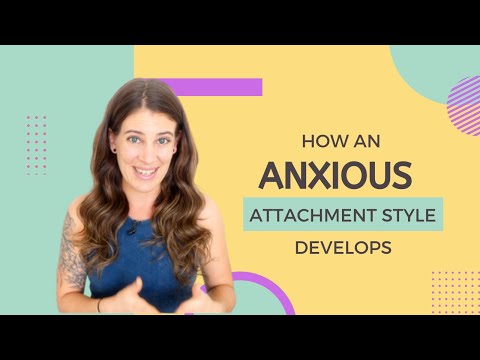
You know that feeling when you just can’t shake off the worry? Like, everything seems to trigger a wave of anxiety? Well, that’s kinda what anxious attachment is all about, especially when it starts in childhood.
Imagine being a kid, looking for comfort, but sometimes feeling like you have to chase after it. It’s tough. That need for connection can leave some marks that stick around into adulthood, you know?
So let’s talk about it! How does that early experience mold how we connect with others later on? Seriously, it’s pretty wild how those childhood feelings can turn into adults who struggle with relationships. Buckle up; it’s gonna be an interesting ride!
Understanding the Long-Term Effects of Attachment Anxiety on Mental Health
Understanding attachment anxiety is a big deal when it comes to mental health, especially when we’re talking about what happens in childhood. You know how the way we bond with our caregivers can shape our future relationships? That’s where anxious attachment kicks in.
When kids grow up with anxious attachment, they often feel like their caregivers might leave them or not be there when they need support. It creates a sort of internal panic button that gets pressed way too easily. This leads to some long-lasting effects on mental health.
1. Relationship Challenges: People with anxious attachment often struggle in their adult relationships. They might feel insecure or constantly worry that their partner doesn’t care enough or is going to leave them. This can make it tough to trust others completely, leading to cycles of anxiety and distress.
2. Emotional Regulation: If you had anxious attachment as a child, managing your emotions can be pretty tricky. You might find yourself feeling overwhelmed easily or having difficulty calming down after getting upset. It’s like your emotional thermostat is stuck on high.
3. Low Self-Esteem: Kids with anxious attachment often internalize their fears and feelings of abandonment, leading to issues with self-worth later in life. You might think you’re not good enough or that you need to do more to be loved, which can take a toll on your mental well-being.
4. Increased Anxiety and Depression: Research shows that those with anxious attachment styles are at a higher risk for anxiety and depression as adults. The constant fear of rejection or inadequacy can wear you down over time, creating a heavy emotional burden.
It reminds me of a friend who always sought validation from her partners because she felt insecure about her worthiness after growing up in an unpredictable home environment. She spent years seeking reassurance but ended up feeling more isolated when those needs weren’t met.
5. Coping Mechanisms: People with this background sometimes develop unhealthy coping strategies like avoidance or excessive reassurance-seeking behavior that may not serve them well in relationships or daily life.
So yeah, if someone has anxious attachment stemming from childhood experiences, it really shapes how they see themselves and connect with others as adults—it’s kind of like wearing glasses that distort their view of love and trust.
In therapy, addressing these patterns is crucial! Talking through past experiences helps unravel this complex web and allows for healthier attachments moving forward. Recognizing these dynamics is the first step toward healing—because understanding yourself better means you can build more fulfilling connections in the future!
Understanding Childhood Anxious Attachment: Long-Term Effects on Adult Relationships and Mental Health
Childhood anxious attachment can leave a mark on your adult life that’s hard to shake off. It often starts with how you connect with your caregivers when you’re little. If they were inconsistent—sometimes loving and sometimes distant—you might grow up feeling unsure about relationships. This style of attachment impacts how you see yourself and others.
What is Anxious Attachment? When a child feels anxious about their caregiver’s availability, they might cling or act out. You know how some kids cry when their parents leave the room? That’s one way anxious attachment shows up. They become hyper-aware of others’ feelings and may struggle to express their own needs.
Long-Term Effects on Relationships Fast forward to adulthood, and those early experiences can create challenges in relationships. You might find yourself constantly needing reassurance from partners, always worried they’ll leave you. It’s like having a little voice in your head that says, “Are they really into me?” So, you end up playing these mental games just to feel secure.
- Fear of Abandonment: Just think about it: if abandonment was a big fear growing up, it could carry over into adult relationships. You might overreact during conflicts or push people away before they get the chance to do so.
- Difficulties Trusting Others: Trust issues pop up like weeds! Since early bonds were shaky, as an adult, you may find it hard to let people in completely.
- Poor Emotional Regulation: Struggling to manage feelings can be tough. Maybe you’ll swing between excitement about love and deep fears of losing it.
It’s not just social life where this plays out; anxious attachment can hit your mental health too. Many who experienced this as kids develop anxiety disorders or depression later on.
Imagine Sarah who grew up always seeking her mom’s approval but getting mixed signals instead. Now as an adult, she’s in a decent relationship yet feels overwhelmed by thoughts like “Am I good enough?” She finds herself second-guessing her partner’s affection constantly, making her feel more stressed than loved.
Breaking the Cycle The cool thing is that understanding these patterns can lead to change! Therapy is often a helpful route for folks with anxious attachment problems. Talking things through with someone trained can help unpack these feelings and develop healthier ways of relating to others.
So if you’re feeling stuck because of past issues stemming from childhood attachments—remember you’re not alone; things can change! With time and support, even deep-seated anxieties tied to childhood experiences can lessen, leading to happier relationships as an adult.
The Crucial Role of Attachment in Child Development: Understanding Its Impact on Emotional and Social Growth
Attachment theory is kind of like the blueprint for how we connect with others. It starts in childhood and shapes our emotional and social development in some pretty profound ways. Basically, how you bond with your primary caregivers influences your relationships later on in life. If a child feels safe and secure, they’re more likely to grow into a confident adult. But there’s this thing called anxious attachment, which can really throw a wrench in that process.
So, what happens with anxious attachment? Well, kids who experience inconsistent caregiving often end up feeling insecure about their relationships. They might get lots of love one moment and face rejection or neglect the next. This rollercoaster creates confusion, leading them to constantly seek reassurance from others while being super sensitive to potential rejection.
The emotional toll is huge! Imagine feeling like you always have to prove yourself worthy of love or attention. That pressure can make it really hard to explore the world confidently or build friendships. These kids may develop anxiety disorders as they get older, constantly worrying if people actually like them or if they’ll be abandoned.
Socially, these kids might struggle too. They could come off as clingy or overly reliant on friends, which can push people away instead of drawing them closer. It’s kind of like trying to hold onto sand; the tighter you grip, the more it slips through your fingers!
Over time, this anxious attachment can follow someone into adulthood as well. They might find themselves stuck in patterns where they either cling too tightly to partners or sabotage their relationships entirely out of fear—fear of being hurt again. This creates a cycle that’s hard to break without some serious self-awareness and work in therapy.
But here’s the thing: understanding how anxious attachment works is crucial for both parents and therapists. Knowledge is power! Parents can consciously foster secure attachments by providing consistent love and support—like being there for your kid during tough times or just truly listening when they talk about their feelings.
For those who have experienced anxious attachment as children, therapy can be a game-changer! It helps individuals recognize these patterns in themselves and learn new ways to connect with others that promote healthier relationships.
In short, attachment plays a massive role in shaping our emotional world and social interactions from childhood through adulthood. If we understand its intricacies—as tricky as they may be—we can work towards healthier connections throughout life!
Anxious attachment, huh? It’s pretty interesting how our childhood experiences can shape who we are as adults. I remember this one friend from high school, Sarah. She was always the one needing reassurance. Like, every time we made plans, she’d text a million times, double-checking if we were still good to go. At first, it was kind of funny, but then I realized it came from a deeper place.
So basically, anxious attachment happens when kids grow up feeling unsure about whether their caregivers will be there for them emotionally. If a parent is inconsistent—sometimes loving and nurturing and other times distant or distracted—it can leave a kid feeling super insecure in their relationships. You follow me? They learn that love is conditional and might feel like they have to constantly prove themselves to be worthy of attention.
Fast forward to adulthood: these folks might struggle in relationships. They’re often worried their partners will leave or not love them enough. It’s like carrying this heavy backpack filled with fears and insecurities everywhere they go—it gets exhausting! And then there’s that constant need for validation; it can become overwhelming for both them and the people they’re close to.
I’ve seen it play out too often—people sabotaging their relationships because they push too hard for closeness or pull away entirely when they feel threatened. They’re caught in this cycle; it’s almost heartbreaking when you see someone you care about going through that.
But here’s the thing: understanding where that anxiety comes from is crucial! It’s like peeling back layers of an onion—you see how childhood experiences shape adult reactions. People can start working on healthier attachments once they recognize those patterns, maybe through therapy or even just talking with trusted friends.
So yeah, while anxious attachment can mess with your head and your heart as you grow older, knowing its roots can offer a sliver of hope—there’s always room for growth and change!