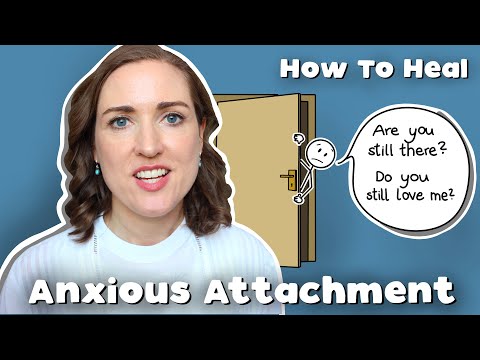
You know that feeling when you’re with someone, but your stomach is doing flips? Like, you just can’t shake that nagging worry about where things stand? Yeah, that’s a vibe for a lot of folks.
What if I told you that’s tied to something called anxious attachment? It’s like having this invisible backpack full of worries and fears about your relationships. You want closeness, but it often feels like you’re walking on eggshells, right?
And here’s the kicker: the more anxious we get, the more we try to control things. It’s kinda wild how our brains work! So let’s chat about why that need for control pops up and how it messes with our connections. Sound good?
Understanding Anxious Attachment Style: Its Impact on Relationships and Emotional Connections
Anxious attachment style can really transform how you see and connect with others. It’s like wearing a pair of glasses that makes everything feel a bit more intense and uncertain. If you’ve got this attachment style, you might find yourself constantly worrying about your relationships. Are they okay? Does my partner care about me? Am I going to lose them? Basically, you might feel on edge, like a tightrope walker walking without a safety net.
The roots of anxious attachment usually trace back to early relationships with caregivers. If those caregivers were inconsistent—sometimes loving and sometimes distant—you might have learned to doubt the stability of love and connection. Think about it: if as a kid you never knew when mom or dad would show up for you, it’s natural to want to cling tightly when you find someone who seems promising.
And that leads us to something powerful: the need for control in relationships. After all, when trust is shaky, grabbing onto some sort of control feels safer. You might find yourself texting your partner constantly, checking in whenever they’re late or wanting reassurance about how much they care. It’s not that you’re trying to be controlling; it’s just your mind doing what it knows best—protecting itself from perceived threats.
This need for reassurance can create a rollercoaster in your romantic life. Sometimes, partners can feel overwhelmed by this constant need for validation. The thing is, while they might want to help ease your worries, they could also feel suffocated or pushed away by the intensity of those emotions.
In some cases, anxious attachment can lead to “hyper-vigilance.” You might read into every text message or phone call tone as if it’s a puzzle piece telling the story of your relationship’s future. Did they take too long to respond? What does that mean? It’s tough because these thoughts can spiral quickly—you end up feeling even more anxious than before.
It’s important to realize that you’re not alone in this struggle—even if it feels isolating sometimes. Many people experience anxious attachment at some point in their lives; it’s one way our brains cope with uncertainty. Seeking therapy can seriously help here! A skilled therapist can guide you towards building secure attachments and healthier communication strategies.
Learning new responses is key here! Instead of relying on your partner for constant reassurance, try focusing on self-soothing techniques when anxiety creeps in. Deep breathing exercises or mindfulness practices can definitely make a difference! They’ll help ground you and keep those anxious thoughts from getting out of hand.
And hey, remember: growth takes time! If you’ve had an anxious attachment style for years, changing those patterns isn’t going to happen overnight. Be gentle with yourself as you navigate through this process—recognize each small victory along the way!
Understanding where these feelings come from opens up pathways to better connections with others and yourself too—a win-win situation! So take heart; knowing is half the battle!
Understanding Anxious Attachment: Are Anxiously Attached Individuals Controlling in Relationships?
It’s fascinating stuff when you start digging into attachment styles, right? So, let’s unpack this whole idea of anxious attachment. You know how some folks seem super clingy or always worried about their relationships? That’s often tied to what we call anxious attachment. Basically, it stems from early experiences in childhood where a caregiver might’ve been inconsistent in their responses. One moment they’re super loving and the next they’re detached—so it leaves you guessing.
People with anxious attachment tend to crave closeness and reassurance. It’s like they have this deep-seated fear of abandonment that bubbles up in relationships. And yeah, this often makes them come off as controlling—not because they want to be bossy, but because they’re trying to maintain a sense of security.
Let’s break it down a bit more:
- Need for Reassurance: Anxiously attached folks often need constant validation from their partners. If that reassurance isn’t there, they might feel abandoned.
- Fear of Loss: This fear can lead them to act out or put pressure on their partners by wanting frequent check-ins or updates on feelings.
- Overthinking: They’re prone to over-analyzing situations. Something as simple as a delayed text response can spiral into worries like “What did I do wrong?”
- Control Behaviors: These people might engage in controlling behaviors as a way to regain stability—like wanting to know where their partner is all the time.
I once knew someone who was always texting her boyfriend every time he hung out with friends. She believed if she didn’t stay “in the loop,” he’d forget about her, you know? It wasn’t that she wanted to control him; it was just her way of managing anxiety around potential loss.
But here’s the thing: while anxious attachment can lead individuals to act controlling at times, it’s not because they’re trying to dominate their partner. It’s more about that **overwhelming need for security** and connection.
So what can help? Well, open communication is key! If both partners understand these dynamics, it can foster empathy and patience. It’s so important for anxiously attached individuals—and their partners—to work together on fostering trust without judgment.
All said and done, understanding anxious attachment offers insights into relationship dynamics and opens up avenues for healthier connections—basically shifting from control back to genuine intimacy and understanding!
Understanding the Need for Control in Relationships: Insights and Solutions
Relationships can be tricky, huh? So many emotions intertwining. One common issue that pops up is the need for control, especially when it comes to people with anxious attachment styles. Let’s break it down and see what’s going on here.
Anxious attachment often stems from early experiences where a child’s needs weren’t consistently met. This leads to feelings of insecurity and a fear of abandonment later in life. When someone with this style is in a relationship, they sometimes feel like they need to control situations to feel safe. You get me?
Imagine you’re dating someone who constantly checks your phone or insists on knowing where you are at all times. It’s like they’re trying to keep their environment predictable but, in reality, that behavior can push you further away. That’s what happens when anxiety meets relationships!
- Fear of abandonment: If you’ve got anxious attachment, you might worry your partner will leave you—even over silly things. This fear drives the need for control.
- Overthinking: Constantly replaying conversations in your head looking for hidden meanings can be exhausting! And it often leads to unnecessary jealousy or suspicion.
- Pushing partners away: What seems like protection might actually create distance. It’s that intense cycle where controlling behavior backfires.
So why do people lean into this kind of control? Well, it feels safer, right? But while trying to hold everything together, they often lose connection with their partner. Imagine two people standing in a tug-of-war: one pulling hard and the other feeling trapped.
The trick is finding balance and understanding those feelings without letting them dictate your actions. Open communication is essential here! Instead of hovering or demanding answers, share what you’re feeling—“Hey, I felt really anxious when you didn’t text back.” This can open up real dialogue.
Everything isn’t perfect overnight though; it takes time and patience. Therapy, especially forms like cognitive-behavioral therapy (CBT), can help people recognize these patterns and work through them constructively.
Another approach is mindfulness techniques—like deep breathing or grounding exercises—that help manage those spiraling thoughts when anxiety hits hard. You know how sometimes just pausing and taking a deep breath can change everything? It really does!
So if you’re dealing with the need for control or know someone who is, remember: it’s all about understanding where those feelings come from and working together towards healthier patterns. Relationships thrive on trust and openness—not just control!
You know, relationships can be super complicated. If you’ve ever felt like you’re constantly worrying about where you stand with someone, you might just have a touch of anxious attachment. It’s that nagging feeling of needing reassurance, like when your phone buzzes and you hope it’s a text from that person who makes your heart race.
I remember this one time when my friend Sarah was dating someone new. She liked him so much, but man, she was always on edge. Every text back took forever, and she’d bombard me with “What do you think he means by this?” or “Is he mad at me?” It was exhausting! But for her, it wasn’t just about him; it was more about her fear of being abandoned or not being enough. It’s tough because that need for control in relationships often stems from wanting to avoid feeling vulnerable or hurt.
When you have anxious attachment, it feels like having one foot out the door while desperately trying to hold on. You might find yourself trying to control every aspect of the relationship—asking too many questions or overanalyzing situations that just don’t need deep dives. It’s the push-pull kind of behavior where you crave closeness but also fear being let down.
But here’s the thing: controlling everything is like trying to hold water in your hands—you can grip tight but it will eventually slip away. Learning to embrace uncertainty and trusting the relationship takes some work, like building those emotional muscles.
You might not realize it at first, but working on these feelings can open up a space for healthier connections. It allows room for genuine intimacy without all the anxiety swirling around. So if you’re echoing Sarah’s experiences or feeling similar vibes—just know that there’s hope in unpacking those feelings together with someone who gets it. You do deserve love without all that stress hanging over your head!