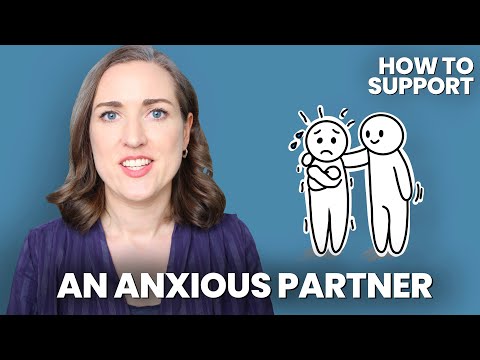
So, you know how love can be a rollercoaster, right? One minute, you’re on top of the world, and the next, you’re feeling like you’re tumbling down.
That’s what it’s like when you have an anxious attachment style. You might feel super clingy one moment and then suddenly freak out if your partner doesn’t text back right away. It can be intense!
But here’s the thing: you’re not alone in this wild ride. Many folks deal with anxious attachment styles. And guess what? There are ways to navigate love together without losing your minds—or your hearts.
Seriously! Whether it’s learning to communicate better or finding ways to calm those racing thoughts, we can figure it out together. So let’s chat about it—because love should feel more like a cozy hug than a crazy thrill ride!
Navigating Relationships: Strategies for Avoidants to Support Anxious Attachment Partners
So, navigating relationships can be a bit of a maze, especially when you’ve got one partner with an avoidant attachment style and another who’s anxious. It’s like being on totally different pages, huh? You see, anxious partners often crave closeness, while avoidants tend to pull back when things get too intense. This can lead to some heavy misunderstandings. Here’s how to make this work better for both of you.
Communication is Key
Start talking! Open up those channels. The thing is, anxious partners might need reassurance more often than avoidants are comfortable giving. Let your partner know what you can offer without feeling overwhelmed. Try saying something like, “I care about you and want to be here for you.” Simple phrases can work wonders.
Recognize Triggers
Both sides have their buttons that can be pushed pretty easily. Anxious partners might feel abandoned if the avoidant takes a step back or needs space. On the flip side, avoidants can feel suffocated by too much emotional intensity or demands for reassurance. Talk through these triggers together so each of you knows what to look out for.
Set Boundaries Together
Boundaries aren’t just about keeping out the bad stuff; they’re also about protecting each other. Avoidants usually need more space and independence—think time alone to recharge—while anxious partners might require more frequent check-ins or affirmations of love. Work on finding the right balance together so neither feels overwhelmed.
Create Safe Spaces
This could be a spot in your home or even just a certain time during your day when you both know it’s “safe” to express feelings without judgment or pressure. For example, designate Sunday mornings as “check-in times.” This way, anxiously attached people get their emotional fix regularly without feeling needy.
Practice Patience
Look, building trust takes time! If you’re the avoidant partner, try not to rush things just because it feels uncomfortable sometimes. The anxious partner might not change overnight either; they need time to feel secure too! Celebrate small victories—like managing a tough conversation without spiraling into panic.
Acknowledge Differences
Your styles are different; that’s okay! Tune in to those differences without blame or frustration. Maybe try saying something like: “I know we handle intimacy differently but I’m here to support us.” Just recognizing what each person brings helps create understanding and connection.
Seek Help When Needed
Sometimes, despite best efforts, navigating this dynamic can feel overwhelming. That’s fine—it happens! A therapist could help both navigate this tricky terrain better than you could alone sometimes! Don’t hesitate to seek help if needed.
The journey of being together when one partner is anxious and the other avoids intimacy isn’t easy—but with love and collaboration it could be really fulfilling too!
Navigating Love: Understanding Dating Challenges with Two Anxious Attachment Styles
Navigating the world of dating can be tricky, especially when both partners have anxious attachment styles. Picture this: you both want love and connection, but anxiety can turn that desire into a rollercoaster of emotions. You might find yourselves caught in a loop of neediness, overthinking, and fear of abandonment. It’s like two people dancing on eggshells, you know?
So what exactly happens with anxious attachment? Well, when you or your partner feels anxious about the relationship, it often leads to things like clinginess or constant reassurances. You might text your partner a million times just to confirm they still care. Or maybe you’re constantly worried they’ll leave, even when everything seems fine. This can make communication feel tense.
Now picture Emma and Jake. They’re both super into each other but constantly feel insecure about where they stand. If Emma doesn’t hear from Jake for a few hours, her mind races with possibilities—does he not care? Is he seeing someone else? Meanwhile, Jake is having similar thoughts. He wants to text Emma to ease her worries but fears that might seem too needy. The struggle is real.
When two people with anxious attachment styles come together, it often leads to ineffective communication patterns like:
- Constant reassurance seeking
- Over-analysis of texts
- Fearing conflict might lead to separation
This creates a cycle where both partners become increasingly anxious instead of finding comfort in each other.
You may find yourselves stuck in this dance because you both crave closeness yet fear rejection or abandonment. The key here is finding ways to communicate openly about your feelings without jumping to conclusions or making assumptions.
One strategy could be establishing a “communication check-in.” Maybe once a week—or even daily—you agree to sit down and talk about any insecurities you’re feeling in the relationship. This way you can express concerns without spiraling out of control during quieter moments.
Another thing that could help is setting boundaries around how often you need reassurance. Instead of texting multiple times a day asking if everything’s okay, you could agree on specific times during the week where you’ll have deeper conversations about how you’re both feeling.
Building trust takes time. And hey, it’s okay if things get messy sometimes! Feelings are complex beasts that don’t always behave rationally. What really counts is your willingness to work through these challenges together. Acknowledging each other’s feelings without judgment is crucial.
In the end, navigating love with two anxious attachment styles isn’t easy—there will be bumps along the way—but it’s definitely possible! With some open conversations and understanding each other’s emotional landscapes better, you can create a more secure space for both of you within your relationship. Just remember: being patient and compassionate toward yourselves makes all the difference as you figure it out together!
Supporting a Friend with Anxious Attachment Style: Practical Tips and Strategies
Supporting a friend who has an anxious attachment style can feel a bit tricky sometimes, but it’s super important. When you’re close to someone who constantly seeks reassurance in relationships, it can be hard to understand their behaviors. So let’s break this down.
First off, **what is anxious attachment?** It’s when someone feels insecure in their relationships. They often worry about being abandoned or not being good enough. So, if your friend tends to cling or freak out over minor issues, that’s really just them reacting to those fears.
1. Be Patient and Understanding
It might be tough, but patience is key here. When they get anxious, try to remind yourself that it’s not personal. Your friend just needs extra reassurance and support during those moments.
2. Communicate Openly
Clear communication can work wonders! If they express worries about your friendship or their feelings, listen without judgment. A simple “I get that you’re feeling anxious right now” goes a long way in making them feel heard.
3. Reassure Regularly
Sometimes a little assurance is all they need. Let them know you’re there for them—it’s like putting gas in the tank of your friendship! You could say things like “I really value our friendship” or “You’re important to me.” These small affirmations can help soothe their worries.
4. Set Boundaries Gently
While it’s great to be supportive, you also need boundaries for your own mental health. If your friend becomes overly clingy or demanding of your time, let them know gently that you need some space sometimes too.
5. Encourage Independence
Help them find ways to build their own confidence and independence! You might invite them to join activities alone, encouraging self-discovery and growth outside the friendship dynamic.
Remember that it’s not always easy for someone with an anxious attachment style to trust that everything will be okay—even when it will be! One time I had a friend who would text me multiple times if I didn’t respond right away; she feared I was upset with her. Instead of getting annoyed, I learned to reply quickly with short messages just to reassure her everything was alright.
6. Suggest Professional Help if Needed
If you notice they struggle a lot despite your support, gently suggest seeking professional help—like therapy could really give them tools for coping better with anxiety!
So basically, supporting a friend with an anxious attachment style requires a blend of patience, communication, reassurance, and boundaries—plus lots of understanding! With time and practice on both sides, friendships can grow stronger even through challenges like these!
Alright, so let’s chat about love and anxiety. You know, love can be pretty amazing, but for some of us, it can also feel like a rollercoaster ride. If you’ve got an anxious attachment style, navigating a relationship might feel more intense than for others. It’s like you’re always on edge, wondering if the person you care about really wants you around or if they’ll ghost you randomly.
Picture this: You’re hanging out with someone special, and everything seems perfect—great conversations, laughs, the whole deal. But then your mind starts playing tricks. You might start to worry they didn’t text back fast enough or that they seem a little distant. Suddenly, your heart races like you’re running a marathon. Yeah, that’s the anxious side kicking in!
Now imagine your partner is feeling this too but in a different way. Maybe they’re more secure or even have an avoidant attachment style. They might need space when things get too intense while you’re craving closeness. It’s like trying to dance to two different rhythms at once—super tricky! I remember one time I was seeing someone who was laid-back and chill, while I was all «Why aren’t you texting me every five minutes?!» It felt so chaotic.
So how do you navigate this together? Communication is key—like having honest talks about how both of you are feeling and what you need from each other. Maybe they can reassure you when you’re feeling wobbly; that little bit of support goes such a long way! And on the flip side, maybe it’s about them learning not to retreat when things get tough.
It takes patience and understanding on both sides to make it work. Creating a safe space where vulnerability is welcomed helps build trust over time—the whole «Hey, I’m here for you» vibe really works wonders!
At the end of the day, relationships are all about figuring things out together despite those anxious moments. It’s not always easy—in fact, sometimes it feels pretty messy—but taking those steps means learning more about each other and growing as partners in love…even if it does feel like an emotional maze sometimes!