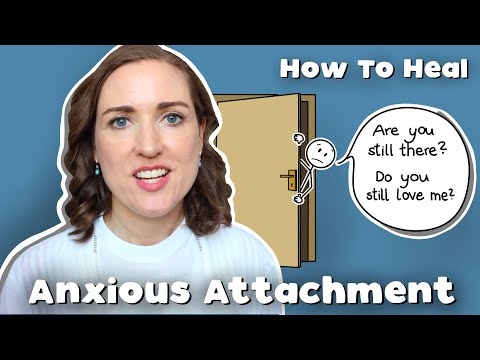
You know that feeling when you’re super worried about what someone thinks of you? Yeah, that’s anxious attachment in a nutshell.
It’s like being on a rollercoaster of emotions in your relationships. One minute you’re up, feeling all connected, and the next—whoosh! You’re spiraling down with worry and doubt.
Picture this: you’re texting your partner and waiting for their reply. That little bubble of anxiety builds up, right? What are they doing? Why haven’t they texted back yet?
That’s what we’re talking about when we say anxious attachment. It can make love feel thrilling but also exhausting. So hang tight! We’re about to explore some real-life examples that hit close to home.
Understanding Anxious Attachment: How It Affects Your Relationships and Triggers Emotional Responses
Anxious attachment can feel like a rollercoaster ride in your relationships, filled with ups and downs. Basically, it stems from early experiences with caregivers. If those early connections were inconsistent or overly protective, you might grow up feeling anxious about the closeness and reliability of others. You know what I mean? It’s like being on edge, waiting for someone to let you down or pull away.
People with this attachment style often find themselves constantly seeking reassurance from their partners. It’s exhausting! You might text a million times just to check if they’re okay or worry about their feelings towards you after a casual disagreement. This need for validation can lead to emotional responses like anger, sadness, or even panic when you feel insecure in the relationship.
Here are some ways anxious attachment shows up in behavior:
- Overanalyzing Texts: You might read too much into every message your partner sends—or doesn’t send—wondering if there’s hidden meaning behind an emoji.
- Clinginess: Feeling desperate for connection can lead to clingy behavior. Maybe you find yourself needing your partner around more than feels comfortable for them.
- Fear of Abandonment: This constant fear makes it hard to trust anyone fully. Even minor issues feel catastrophic because they trigger thoughts that your partner might leave.
- Emotional Highs and Lows: Riding that emotional wave can bring intense joys but also deep lows based on your perception of the relationship’s stability.
One time, my friend Sam was dating someone new and totally flipped out when they didn’t text back right away. Sam called me crying, convinced that the silence meant something bad had happened or that they weren’t interested anymore. It’s tough witnessing such anxiety unfold over something that could’ve just been a busy day.
When these patterns repeat, they often push partners away instead of drawing them closer. The thing is, if we keep demanding reassurance without addressing our deeper fears, it can create strain and resentment in the relationship. Over time, partners may pull back to protect themselves from that emotional intensity.
Working through anxious attachment isn’t easy but is definitely possible. Therapy can help unpack those feelings of anxiety and teach healthier ways to cope—like building self-soothing techniques or effective communication strategies with your partner.
So there you have it! Anxious attachment shapes how you connect with people and how safe or nervous you may feel in a relationship context. Recognizing those patterns is the first step toward making meaningful changes for more fulfilling connections moving forward!
Understanding Anxious Attachment in Relationships: Signs and Effects
Anxious attachment in relationships can be really tricky. It’s like carrying a nagging worry that your partner might not love you as much as you love them. It all starts way back in childhood—how we connect with our caregivers shapes how we relate to others later on.
So, what does anxious attachment look like? Here are some signs you might notice:
- Constant Need for Reassurance: You text your partner several times a day, needing to hear they love you.
- Fear of Abandonment: When your partner is late or doesn’t respond right away, your mind spirals into worst-case scenarios.
- Overanalyzing Interactions: You replay conversations, searching for hidden meanings or signs that something’s wrong.
- Jealousy: Feeling threatened by the attention your partner gives to friends or even coworkers.
- Difficulty Trusting: You often second-guess their feelings for you or question their loyalty.
Now, this isn’t just about being clingy or dependent. Anxious attachment can seriously affect how you experience love and intimacy. You might find yourself trapped in patterns that keep the relationship from thriving.
Imagine Sarah—she’s always checking her phone when she’s out with her friends, hoping for a message from her boyfriend. If he doesn’t reply quickly, she feels that familiar knot forming in her stomach. It’s exhausting! This fear of abandonment can make it tough to enjoy the good moments.
Being stuck in this anxious cycle can lead to anxiety and stress, which aren’t great for either side of the relationship. And here’s the kicker: because anxious partners often need so much reassurance, they may unintentionally push their significant others away.
You see it often—it becomes a loop where one person feels overwhelmed by the other’s neediness while the anxious partner feels neglected and more insecure. It’s like trying to dance while stepping on each other’s toes!
If you’re dealing with anxious attachment, recognizing it is a huge first step! Talking about these feelings with your partner can help build understanding and create a safer space for both of you.
In therapy, many people explore ways to develop **secure attachments**—you know, where they feel safe and valued without constant worry! It takes work but is totally worth it.
So yeah, understanding anxious attachment isn’t just about labeling behavior; it’s about connecting deeply with ourselves and our partners while taking those small steps toward healthier relationships.
Understanding Toxic Behaviors in Anxious Attachment: Key Insights for Healthy Relationships
Anxious attachment really shapes how you connect with others, especially in romantic relationships. When someone has an anxious attachment style, they often feel a lot of worry and fear about their partner’s feelings and commitment. You know, it’s like they’re always on edge, waiting for that dreaded moment when things might go south.
So, what does that look like in real life? Well, here are some common behaviors:
- Clinginess: You might find yourself needing constant reassurance from your partner. Like, «Do you love me?» can come up way too often.
- Overthinking: It’s normal to think about your relationship, but with anxious attachment, it can be like a never-ending loop of “what ifs.”
- Jealousy: Seeing your partner talk to someone else? Suddenly you’re feeling like it’s the end of the world. Seriously.
- Fear of Abandonment: Just the thought of your partner leaving can send you into a spiral. You might become super needy just to keep them close.
- People-Pleasing: You could find yourself bending over backwards to make sure your partner is happy, even if it means sacrificing your own happiness.
These behaviors stem from deep-seated fears. Imagine growing up where love and attention felt conditional; that’s bound to mess with how you view relationships later on. So totally understandable!
Here’s a little story for ya: I once knew this person—let’s call them Sam—who was always texting their partner. Like constantly! Sam would get anxious if they didn’t hear back within a few minutes. It seemed harmless at first; who doesn’t want to stay connected? But it became overwhelming for their partner, leading to fights and misunderstandings.
Now let’s talk about how these toxic behaviors play out in the long run—they can seriously sabotage any chance of having a healthy relationship:
- Lack of Trust: The more you cling or overthink things, the less trust there is between partners.
- Cyclical Arguments: Those little insecurities lead to big blow-ups; it’s like getting caught in an emotional loop.
- Diminished Intimacy: When one person feels smothered or unappreciated because of another’s neediness—it makes real connection hard!
If you’re feeling these traits pop up in yourself or someone close to you, just remember it’s not hopeless! Understanding these behaviors is the first step toward creating healthier dynamics.
Therapy can be a game changer too! Working with someone who gets anxious attachment styles can help sort through feelings and develop better coping strategies.
So next time those old patterns kick in—take a breath and remind yourself: connections take work but don’t have to be chaotic all the time. Emotional growth is totally possible!
Anxious attachment, huh? It’s one of those things that can really mess with your head in relationships. I remember a friend of mine, let’s call her Sarah. She’d jump through hoops just to keep her boyfriend happy. If he didn’t text back right away, her mind would race like a hamster on a wheel. «Is he mad at me? Did I do something wrong?»
So, what does this anxious attachment look like? Well, people with this style often crave closeness but are also super scared of being abandoned. It’s like wanting to be wrapped up in a warm blanket while fearing it might suddenly turn into ice-cold water.
They might send those “Are you okay?” texts way more often than needed or constantly seek reassurance from their partner. You know, the kind that makes you feel like you’re standing on shaky ground because their neediness can be intense sometimes.
And there’s this thing where they can get really defensive if they sense any distance or disagreement. Like, if they’re having a small argument about dinner plans—»Hey, I was thinking we should try that new Italian place”—they might flip out and think that their partner wants to break up over something so minor. Totally relatable for anyone who’s felt that knot in their stomach during conflicts!
But here’s the thing: it’s not just about them needing reassurance; it can spill over onto the other person too. It can make partners feel overwhelmed or smothered—like they’re walking on eggshells all the time to keep things calm.
On the upside, recognizing these behaviors is the first step toward working through them! Sarah eventually went to therapy and started understanding why she acted the way she did. It wasn’t easy; some days were rough and full of tears, but slowly she learned how to communicate better without spiraling into anxiety.
So yeah, anxious attachment is complicated and messy but knowing about it makes navigating relationships just a bit easier. Because at the end of the day, everyone deserves to feel secure and loved without all that extra turmoil hanging in the air!