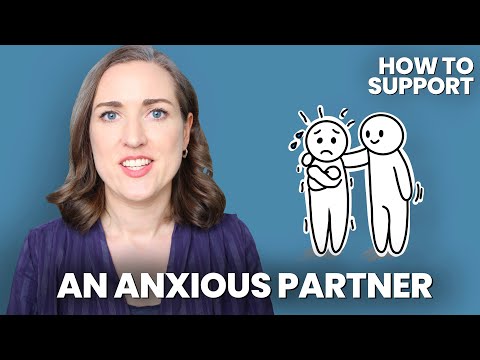
Hey, you ever feel like you’re in a constant tug-of-war in your relationships? Like, one minute you’re all in and the next, you’re second-guessing everything? Yeah, that’s a vibe.
So, let’s chat about something that may explain all that swirling chaos: anxious attachment style. It can really mess with how you connect with people.
Picture this: you’re super into someone, but then every little thing they do sends you spiraling. You know it’s not rational, but it feels real.
In this convo, we’ll break down what anxious attachment is and how it trips us up in love. Trust me; you’re not alone in this!
Understanding Anxious Attachment Style: How It Affects Childhood Relationships
Anxious attachment style is, like, a big deal when it comes to childhood relationships. It shapes how we connect with others, especially the people we’re close to. When you’re growing up, how your caregivers respond to your needs can rock your emotional world. If they’re inconsistent or overly sensitive, you might develop an anxious attachment style.
So what does this look like? Kids with this attachment style often feel nervous about whether they’ll get the love and support they need. They might cling to their parents or caregivers, seeking reassurance all the time. And if their caregiver is not around, it can feel super scary. You know that feeling when you lose sight of a parent in a crowded place? That’s kind of what it’s like—only amplified.
- Constant Worry: Kids may worry about being abandoned or that their caregivers don’t love them enough. This can lead to anxiety in various situations—even as adults.
- Lack of Trust: They might struggle to trust others because past experiences have made them doubt whether they’ll be supported.
- Emotional Rollercoaster: Emotions can swing from needing closeness one minute to feeling overwhelmed by it the next.
You ever notice how some kids are super clingy? Like, they just can’t let go of their parent’s leg during drop-off? That could be a sign of anxious attachment in action. It’s tough for these kiddos because while they’re seeking connection, they’re often scared at the same time.
And guess what? This pattern doesn’t just vanish once you grow up. That anxious attachment can follow you into adult relationships too. You might find yourself needing constant reassurance from partners or friends because deep down, you’re still worried about abandonment.
The connection between childhood experiences and adult relationships is pretty clear. If someone had an anxious attachment style as a child, they might struggle with similar feelings in romantic partnerships later on. They might overreact to perceived signs of rejection or feel needy when things get tough.
But here’s the kicker: awareness is key! By understanding where these feelings come from—like recognizing that your partner isn’t actually abandoning you when they’re busy—you can start to change those patterns. Talking about feelings helps too; open communication creates trust and security.
So yeah, understanding anxious attachment style really opens up a conversation about how our early experiences shape our relationships later on. It’s not just about recognizing the behavior; it’s about working through those feelings so we don’t stay stuck in that cycle forever!
Understanding Anxious Attachment Style: How It Affects Adult Relationships
So, let’s chat about anxious attachment style and how it plays out in adult relationships. You know, it’s kind of like a funky lens through which you see the world and love. If you’ve got this attachment style, your main vibe is often worry. You might constantly question whether your partner really cares or if they’ll stick around.
Anxious attachment usually develops in childhood. It can happen when caregivers are inconsistent—sometimes they’re there for you, sometimes they’re not. Over time, this leads to the belief that love is unpredictable. And guess what? That belief can spill over into your adult life.
- Fear of Abandonment: You might find yourself always worried that your partner will leave you, even if there’s no real reason to panic.
- Clinginess: This can manifest as needing constant reassurance from your partner. Texting or calling frequently to check in is a common move.
- Intense Emotions: Your feelings can swing from joy to despair pretty quickly, depending on your partner’s responses. It’s like riding an emotional rollercoaster!
- Difficulties Trusting: Even when everything seems fine, you may still feel a nagging doubt about your partner’s fidelity or intentions.
I remember a friend who was always on edge in her relationship; she just couldn’t shake the feeling that something was off. She would analyze every little thing her boyfriend said or did, convinced he was losing interest, even when he reassured her otherwise! It was exhausting for her and pretty tough on him too.
Navigating relationships with an anxious attachment style can be tricky but not impossible! A few ways to manage this include:
- Open Communication: Talk to your partner about how you’re feeling. Sharing these thoughts can help both of you understand each other better.
- Self-Soothing Techniques: Finding ways to calm yourself down when anxiety kicks in is super helpful—think meditation or deep breathing exercises!
- Cognitive Behavioral Therapy (CBT): This approach can help change negative thought patterns and build healthier relationship dynamics.
The thing is, understanding where those feelings come from is half the battle. Once you get what’s driving them, it becomes way easier to address them head-on instead of letting anxiety dictate how you connect with people.
If you’re noticing these traits in yourself or someone close to you, remember that it’s all part of being human! Relationships need work and patience; building secure attachments takes time and practice but trust me—it’s totally worth it!
Overcoming Anxious Attachment Style in Relationships: Strategies for Healthier Connections
Anxious attachment style can really trip people up in relationships. It’s like having an internal alarm system that goes off every time you feel your partner might pull away. You might find yourself needing constant reassurance or feeling jealous when your partner talks to someone new. It’s draining, right? But the good news is, there are ways to tackle this head-on.
Recognizing patterns is where it all starts. You have to take a good look at your feelings and behaviors around intimacy. Do you find yourself getting overly clingy? Or maybe you get anxious when friends don’t text back quickly? These reactions, while normal, can create distance between you and your partner.
Once you’ve spotted those patterns, the next step is learning effective communication skills. It’s crucial to express your needs openly. Instead of waiting for your partner to read your mind—because seriously, who has that superpower?—try directly saying something like, “I’m feeling a bit insecure right now. Can we talk about it?”
Another solid strategy is practicing self-soothing techniques. When anxiety kicks in, take a moment to breathe deeply or even go for a walk. Maybe keep a journal where you jot down what you’re feeling. This helps ground you and gives clarity.
Also, consider setting healthy boundaries. It’s okay to step back when things feel overwhelming. If you notice you’re texting non-stop because of anxiety, maybe set times for check-ins instead of being glued to your phone.
Engaging in therapy can also be a game-changer. Talking with someone trained can help you explore deeper issues behind those anxious feelings. Sometimes just understanding why we react the way we do can reduce panic significantly.
Building trust with your partner is essential too. This means being consistent and reliable over time which creates a sense of security—for both of you! Working together towards mutual understanding can foster a stronger bond.
Lastly, focus on self-love and acceptance. It’s super important to remind yourself that it’s okay to have these feelings but they don’t define who you are or what you’re capable of in love.
Working through an anxious attachment style takes time and patience but hey, it’s totally doable! Remember that vulnerability isn’t weakness but rather an opportunity for deeper connections with others! So take it one step at a time; you’re on the right path!
You know, when you start digging into attachment styles, it’s wild how much they can shape our lives and relationships. Take anxious attachment style, for instance. If you find yourself constantly worried about your partner leaving or doubting their feelings for you, you might be dealing with this. It’s like having this little voice in your head, whispering that you’re not enough or that love is always just a step away from vanishing.
I remember a friend of mine who would get super upset if her boyfriend didn’t text her back right away. I mean like full-on panic mode. She would spiral into thoughts that he must not care or maybe he was cheating. Each time he took longer than five minutes to respond, it was a rollercoaster of anxiety. And look, while the boyfriend was probably just busy or caught up in something else, her worries made it hard for them to connect deeply.
Anxious attachment often stems from early relationships with caregivers who may have been inconsistent—loving one moment and distant the next. It creates this huge fear of abandonment and an overwhelming need for reassurance. When you’re wired like that, relationships can feel more like a tightrope walk than a cozy partnership—always trying to keep your balance and avoid the dreaded fall.
People with anxious attachment styles often find themselves in cycles of wanting closeness but feeling terrified at the same time. You reach out for hugs and affection while also feeling the urge to withdraw when things get too intense. It’s exhausting! And honestly? It puts so much pressure on your partner too; it’s hard for them to ease your mind when they’re walking on eggshells.
But here’s the thing: understanding this attachment style can open up new doors for growth and healing. Once you recognize these patterns within yourself, it’s easier to communicate openly about your needs with your partner. Maybe even work together to build that trust gradually.
The journey is definitely not easy; we all have our baggage, don’t we? Yet, taking those steps toward self-awareness can lead to healthier connections where both partners feel secure and valued—no more rollercoasters! Plus, remember: everyone deserves love without all that extra anxiety hanging around like an unwanted guest at a party.