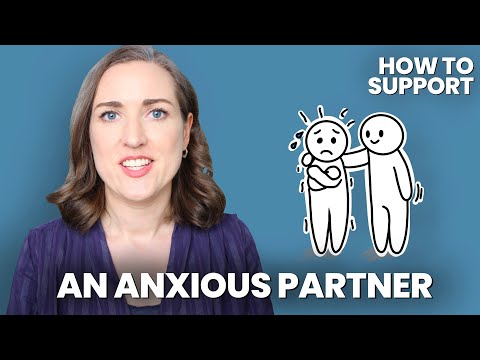
You know how relationships can be a wild ride, right? Sometimes you get hit with stuff that just throws you off balance. Like, say, your partner has an anxious attachment style.
It’s not always easy to understand where they’re coming from. You might find yourself tiptoeing around their feelings or feeling overwhelmed by their need for reassurance. It’s like walking on eggshells sometimes!
But there’s hope, seriously! Learning how to navigate this can really make a difference. It’s all about finding that groove together and creating a space where both of you feel secure.
Let’s chat about what it’s like to deal with an anxious attachment partner and how you can support each other without losing your mind or giving up on love. Sound good?
Navigating Relationships: Effective Strategies for Supporting a Partner with Anxious Attachment
Relationships can be tricky, especially when one partner has an anxious attachment style. It’s like navigating a small boat in choppy waters. You want to stay steady, but the waves keep pushing you around. Here’s how you can support your partner while keeping your balance.
First off, it helps to understand what *anxious attachment* really means. This style often comes from early experiences where a person felt unsure about their caregivers’ availability or responsiveness. Because of this, they may constantly seek reassurance and worry about being abandoned. Imagine being in a relationship where your partner’s need for closeness feels overwhelming at times—you might even feel like you’re walking on eggshells.
Communication is key. Open talks about feelings can be super helpful. When your partner expresses concern or fear of losing you, listen without judgment. Just say things like “I hear you” or “I’m here.” Letting them know their feelings are valid can ease some of that anxiety.
Next, it’s important to establish consistent routines together. People with anxious attachment thrive on predictability. You might think weekly date nights are too much pressure, but having a regular time to connect can really ground them and help foster security.
Be patient. Seriously, this is where the real work comes in. Sometimes they might need more reassurance than you’d expect—like needing to hear «I love you» often or cringing at plans that make them feel uncertain about the relationship’s future. It’s not that they’re needy; it’s just how they cope with their fears.
Also, consider encouraging their independence gently but firmly. If they’re dependent on you for validation all the time, it’s important for them to learn that they can find comfort within themselves too. Support them in pursuing hobbies or hanging out with friends without you around.
Another thing? Set healthy boundaries for yourself too! Supporting someone doesn’t mean sacrificing your own needs and feelings constantly. Let your partner know when you’re feeling overwhelmed and discuss ways to manage those moments together—this helps both of you feel secure.
Acknowledge progress. Recognizing small steps forward is vital! If they’ve had a good day or managed their anxiety better than usual, celebrate it! Positive reinforcement can motivate change and helps build their confidence over time.
And let’s be real—self-care matters for you as well! Constantly supporting someone with an anxious attachment can be draining if you’re not taking care of yourself first. Whether it’s hitting the gym or spending time with friends, make sure you’re filled up so you have energy to give back.
Therapy could be beneficial, not just individually but also as a couple if needed. A therapist experienced in attachment styles can offer strategies tailored specifically for your situation; sometimes having that outside perspective opens doors otherwise closed due to emotions running high.
In short, helping support a partner with an anxious attachment style takes work—but it’s rewarding! With compassion, patience, and open communication, you both can create a stronger bond while navigating those choppy waters together.
Understanding Anxious Attachment: How It Sabotages Relationships and What You Can Do About It
When we talk about anxious attachment, it’s all about how you connect with others, especially in relationships. If you find yourself needing constant reassurance or feeling like your partner might leave at any moment, you might be dealing with anxious attachment. This style often originates from early childhood experiences where care and attention were inconsistent. Sometimes, a caregiver was there for you; sometimes, they weren’t. It’s like a rollercoaster of love, which can totally mess with how we form adult relationships.
One big thing to remember is that anxiously attached people often feel insecure. This anxiety can lead to constant worry about their partner’s feelings and whether they’ll stick around. You might feel like you need to “check in” on your partner really frequently—maybe texting them multiple times a day just to see if everything’s okay. It’s all about that fear of abandonment creeping in!
Now, let’s chat about how this plays out in relationships. When you’re anxious, it can look a little like this:
- Overanalyzing every message or action: Did they really mean what they said? Are they upset with me? This can drive both partners nuts!
- Clinginess: You may feel the urge to be close all the time—physically and emotionally.
- Jealousy: Seeing your partner interact with others might trigger feelings of insecurity.
Imagine being on a date—and suddenly your mind races: “What if they don’t text me back? What if they’re not into me?” That anxiety can put so much pressure on the relationship!
So, what can you do to manage this attachment style? Here are some ideas:
- Recognize your triggers: Knowing what makes you anxious can help you communicate better with your partner.
- Use grounding techniques: Focus on the present instead of spiraling into “what-ifs.” Deep breaths or counting objects around you can work wonders.
- Communicate openly: Tell your partner how you’re feeling instead of bottling it up. A simple “I’m feeling insecure today” can make a big difference.
It’s also important for partners of those who are anxiously attached to understand what’s going on. It’s easy to get overwhelmed by your partner’s needs for reassurance and attention. But being open and patient creates more trust.
Check this out: once I had a friend who struggled with anxious attachment in her relationship. She would text her boyfriend all day long because she feared he’d leave her if she didn’t stay connected. It exhausted him! Eventually, she started expressing her feelings directly instead of waiting for him to guess what was wrong—talk about a game changer!
In short, understanding anxious attachment is key not just for people dealing with it but also for their partners. With some effort—like learning communication skills and recognizing triggers—you both can build a stronger bond!
Understanding Anxious Attachment: Effects on Relationships and Emotional Well-Being
Anxious attachment can really shake things up in your relationships. You know, it’s like having a little storm cloud hanging over you and your partner. If you’re not familiar with the term, anxious attachment refers to a way some people bond with others based on their early experiences, often leading to feelings of insecurity and fear of abandonment.
People with an anxious attachment style often crave closeness but also worry about being rejected or not being loved enough. It’s kind of like being on a roller coaster—lots of ups and downs, right? They may constantly seek reassurance from their partners, which can be exhausting for both sides.
Effects on Relationships
When you’re in a relationship with someone who has this attachment style, you might notice them behaving in certain ways that can be tough to deal with:
These patterns can make it really hard to maintain harmony because it puts pressure on both partners. For instance, let’s say your partner texts less during a busy day at work—you might feel fine about it, but they could interpret that silence as something much worse! This creates tension which isn’t great for emotional health.
Effects on Emotional Well-Being
Living with anxious attachment isn’t just tough on relationships; it also takes a toll on mental health. Here’s how:
Let me share an example here: Imagine feeling so loved one moment when everything’s going well but then completely panicking when your partner takes longer than usual to reply to texts. This constant emotional roller coaster doesn’t just affect how you feel—it can chip away at your overall happiness too.
But there’s good news! Coping with Anxious Attachment is possible through understanding and open communication:
– **Communication is Key:** Encourage your partner to express their feelings without judgment. Share your concerns too!
– **Set Boundaries:** It helps create balance in the relationship while still providing support.
– **Reassurance:** Offer gentle reminders of your love and commitment without losing yourself in that role.
So anyway, working through these anxious patterns takes time and patience—but it’s totally doable! By addressing these issues together, both partners can grow closer while improving each other’s emotional well-being. Relationships don’t have to feel overwhelming; sometimes they’re just about navigating through those storm clouds together until the sun shines again!
Being in a relationship with someone who has an anxious attachment style can be a real emotional rollercoaster. I mean, you love them, yet sometimes it feels like you’re navigating a minefield of insecurities and fears. Let’s talk about what it’s like.
So, picture this: you come home after a long day, and all you want is to unwind. But your partner’s mood is a bit all over the place. They just need reassurance that you care about them, which is totally understandable. Yet, sometimes their neediness might leave you scratching your head, wondering if it’ll ever be enough for them to feel secure.
A friend of mine once dated someone who just couldn’t shake that anxious vibe. He’d text her constantly if she didn’t respond within minutes. At first, she thought it was sweet––you know, that excitement when someone truly cares? But soon enough, it started to weigh her down. It’s hard when every little interaction feels like a test of love and commitment.
But let’s get into the nitty-gritty here. Coping with an anxious attachment partner often means learning how to communicate openly and clearly. If they’re constantly worried about abandonment or fear of rejection (which is pretty common), letting them know your feelings can really help ease those worries. Simple things like saying “I’m here for you” or “You mean a lot to me” can go such a long way.
Setting boundaries is another big one! Sounds counterintuitive, right? But it’s vital both for you and for them too. You need your own space sometimes—your own sanity! So finding that balance between being supportive and taking care of yourself can make the relationship healthier in the long run.
And look, if things get intense or overwhelming? That’s okay! You don’t have to be their therapist; maybe suggest seeking professional help if needed—just offering support without fixing everything might help lessen the burden on both sides.
Ultimately, though challenging at times, relationships with anxious attachment partners can teach us so much about empathy and patience—and maybe even how to embrace vulnerability ourselves. And isn’t that what love is really about? Well… kind of!