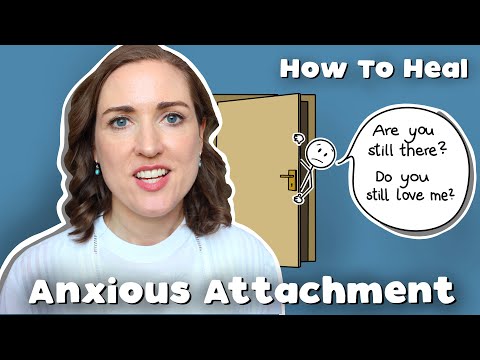
So, let’s chat about something we all kinda deal with: feelings of anxiety in our relationships. You know, that little voice in your head that keeps asking if you’re enough or if they really love you?
Well, it turns out this comes from something called anxious attachment style. Sounds fancy, but it’s really just a way of describing how we connect with others based on our childhood experiences.
You see, the roots of this go way back—often to our early days with caregivers. It’s wild how those moments can shape us, right? So let’s dig into this and see how those childhood vibes affect our adult relationships.
Understanding Avoidant Attachment Style: Signs, Challenges, and Pathways to Healing
So, let’s chat about avoidant attachment style. This attachment style is, like, pretty common but often misunderstood. If you grew up in an environment where closeness wasn’t emphasized, you might find yourself struggling with relationships as an adult. But what does that actually look like? Let’s break it down.
People with avoidant attachment often have a hard time getting close to others. You know how some folks tend to keep their loved ones at arm’s length? That’s a classic sign. They might feel overwhelmed by others’ need for intimacy or emotional closeness. It’s like they’ve built a wall around themselves to protect against vulnerability.
- Avoidance of intimacy: They usually keep relationships on the surface level. Deep conversations? Not their thing!
- Discomfort with emotions: Expressing feelings can feel pretty daunting. They might prefer to bottle things up instead.
- Fear of dependence: They often worry about losing their independence and may push away anyone who seems too clingy.
- Coping through distance: When things get tough in a relationship, their instinct is to withdraw rather than confront the issues.
You might be wondering why this happens. Well, many times it links back to childhood experiences. If caregivers were emotionally unavailable or dismissive, kids learn that it’s not okay to lean on others for support. Imagine a little kid wanting a hug from a parent but being brushed off—over time, they figure out that seeking comfort doesn’t really work out for them.
This can set the stage for challenges later in life. If you’ve got an avoidant attachment style, you could find yourself feeling isolated even when surrounded by people who care about you. It’s kind of heartbreaking when you think about it—wanting connection but feeling like something’s holding you back.
The pathway to healing starts with self-awareness. Recognizing these patterns is the first step! You might begin journaling your feelings or talking them out with someone you trust—this can help make those thoughts and emotions feel less scary.
An important part of healing is learning how to open up gradually. It’s like starting a new exercise routine; you don’t jump straight into heavy lifting right away! Slowly allowing yourself to be vulnerable can help rewire those attachment patterns over time.
- Therapy: Working with someone who gets attachment styles can provide tools and strategies for navigating relationships better.
- Practice communication: Even if it feels uncomfortable at first, sharing your thoughts and feelings more regularly can make a huge difference.
- Create safe spaces: Surrounding yourself with people who respect boundaries while also being supportive helps build trust in relationships gradually.
Avoidant attachment styles definitely don’t have to define your future! With some effort and support, there are amazing pathways toward healthier connections waiting for you. Baby steps are totally acceptable here; growth takes time!
This journey is personal and unique for everyone—so cut yourself some slack along the way! Remember: acknowledging where you’re coming from is one of the bravest things you can do.
Understanding Anxious Avoidant Attachment: Key Insights for Healthier Relationships
Anxious-avoidant attachment can really throw a wrench in your relationships, you know? It’s like being caught between wanting closeness and fearing it all at once. So, let’s break this down.
What is Anxious-Avoidant Attachment?
This attachment style typically emerges from inconsistent caregiving during childhood. You might’ve had a parent who was loving one moment and distant the next. That inconsistency makes it tough to trust others later in life. You start to worry if people will be there for you or, worse, if they’ll leave.
When you have an anxious attachment style, you crave connection but are terrified of rejection. It’s a rough cycle; the more you feel anxious about being abandoned, the more you might push people away. It’s like having one foot in, ready to jump back out at any sign of trouble.
Key Characteristics of Anxious-Avoidant Attachment:
- Pushing away intimacy: Even when you want closeness, something holds you back. You may feel suffocated or overwhelmed when someone gets too close.
- Fear of rejection: This can lead to overthinking situations or reading too much into what others say and do.
- Emotional rollercoaster: You might swing between feeling really connected with someone and then suddenly feeling distant.
- Avoidance of vulnerability: Opening up about your feelings can feel terrifying because it puts your heart on the line.
Let me share a quick story that brings this to life. Imagine Sarah—she’s got this amazing guy who adores her. They go out, have fun, but whenever he tries to get deeper with their feelings, she just freezes up. She loves him but feels scared that if she lets him in too much, he’ll walk away like others have before. So she keeps things light and playful—never going too deep.
The Roots of Anxiety:
Understanding where this all comes from helps make sense of it. If your childhood was marked by unpredictability—like parents who were sometimes nurturing but often distracted or emotionally unavailable—it sets a shaky foundation for relationships later on.
In essence, anxious-avoidant traits develop as coping mechanisms: pull away when overwhelmed but also yearn for connection that feels safe and reliable.
Now here’s where it gets interesting: breaking these patterns is totally possible! Self-awareness is key here. Recognizing those knee-jerk reactions helps create space for new behaviors.
So how do we move toward healthier relationships? Well:
- Mental health check-ins: Therapy can help unpack those old wounds and teach healthier ways to connect.
- Breathe through anxiety: Practicing mindfulness can calm those racing thoughts when intimacy feels overwhelming.
- Create safe spaces: Surround yourself with people who understand your fears but still encourage openness.
Connecting deeply takes time—lots of practice and patience with yourself! Remember that healing isn’t linear; some days will feel great while others might not quite hit the mark.
Ultimately, understanding Anxious-Avoidant Attachment, especially its roots in childhood experiences, opens the door to change things up for good! Your relationships don’t have to stick on repeat; they can transform into something beautiful with care and effort.
Understanding Secure Attachment Style: Key to Healthy Relationships and Emotional Well-being
Understanding Secure Attachment Style is all about having that warm, fuzzy feeling when you think of your relationships. It’s like a cozy blanket on a chilly night—comforting and safe. When you have a secure attachment style, you tend to feel confident in your relationships and comfortable with both closeness and independence. But what does that mean for emotional well-being?
First off, let’s break it down a bit. Secure attachment usually develops when caregivers respond consistently to a child’s needs during infancy and childhood. This means if you cried, someone showed up—not every time perhaps—but enough that you learned the world could be trusted. You know, like how my friend Sarah felt when her dad always showed up for her soccer games. That support made her feel stable, allowing her to connect easily with others later on.
Key Characteristics of Secure Attachment include:
- Trust: You can rely on others and have faith in their intentions.
- Emotional Regulation: You handle stress well without losing it or shutting down.
- Healthy Boundaries: You’re good at knowing how to balance closeness with independence.
- Open Communication: You express your feelings openly and encourage others to do the same.
Now think about Anxious Attachment Style. This one often sprouts from unpredictability in caregiving. If as a child, you experienced inconsistent responses—like getting hugs sometimes but cold shoulders other times—you might grow up feeling insecure in relationships. It’s kinda like being in a game where the rules keep changing; you never really know what’s coming next. My buddy Mike feels this pain—he’s always worried his friends will leave him hanging because that happened a lot when he was younger.
The roots of Anxious Attachment can lead to some pretty big emotional struggles later on:
- Doubt: You constantly question if you’re worthy of love and attention.
- Crisis Overload: Feelings of panic or anxiety crop up just thinking about your partner’s feelings or intentions.
- Pushed Away: Your clinginess might actually drive people away, which only makes things worse!
It’s important to realize how these attachment styles shape our interactions as adults. Having a secure attachment style lets us build meaningful connections without fearing abandonment or excessive dependence. Emotional intelligence is key here!
When we talk about emotional well-being, there’s this magical synergy between secure attachments and mental health. With close bonds rooted in security, you’re more able to cope with life’s ups and downs without spiraling into negativity or isolation.
So if you notice some anxious tendencies creeping into your relationships, remember—it’s totally okay! Seeking therapy can help unravel those root issues from childhood that shaped who you are today. Just like my friend Jess did; she started therapy after realizing how her childhood experiences influenced her current relationship struggles.
Understanding these styles—the secure ones giving us strength and those anxious ones that may hold us back—can really help pave the way toward healthier connections with ourselves and others. That’s the goal: Finding peace within ourselves so we can build those strong, lasting bonds with the people we care about!
You know, when you think about how we connect with others, it’s pretty interesting how much our childhood shapes that, right? Like, take the anxious attachment style, for example. It’s not just some fancy term in psychology; it’s a real way some of us feel and act in relationships based on what went down in those early years.
So, imagine a kid who’s got parents that are super inconsistent. One day they’re loving and warm, and the next they’re distant or even ignoring the kid. It’s like being thrown back and forth between feeling secure and then totally unsure. That can really mess with your head! You grow up thinking, «Am I good enough?» or “Will they stay?” And that uncertainty can stick with you as you get older.
I remember my friend Jess talking about her upbringing. Her mom was always busy, and Jess never quite knew if she would get attention or just be on her own. She dated people who often made her feel anxious too—always needing reassurance but also feeling scared they might leave. She’d text like a million times to check in—wanting to feel connected but also fearing she might push them away with all that anxiety. It’s tough to see someone you care about go through that.
Anyway, what happens is this anxious attachment style can lead to some rollercoaster emotions as adults. You might feel clingy sometimes or overly sensitive to your partner’s moods—like every little thing feels like a big deal. And it’s not because you want it this way; it’s just how you learned to relate back then.
The roots go deep! If we don’t recognize this pattern from childhood, we could end up repeating it over and over without even realizing what we’re doing. Therapy can help peel back those layers so you understand why you are the way you are, which can open up new ways to connect with people in healthier ways.
So yeah, understanding anxious attachment isn’t just about labeling ourselves; it’s about digging into where those feelings came from and figuring out how to create better connections now. But hey, it’s a process! We all deserve a little kindness on this journey.