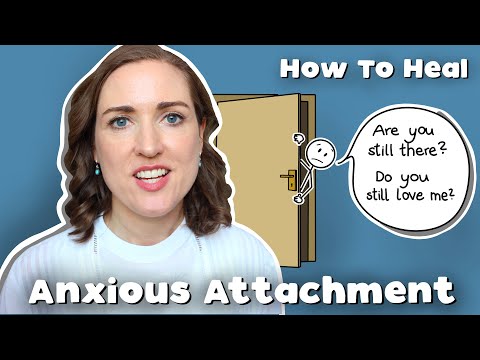
You ever find yourself worryin’ about your friends? Like, are they really into you? Or maybe you’re just scared they’ll ghost you?
Yeah, that’s a thing. A lot of folks feel that way. It’s called anxious attachment. And trust me, it’s more common than you think.
You know those moments when you overthink texts or stress about hangouts? Yup, that’s the stuff. It can really mess with your friendships and even make them feel a bit rocky.
So, let’s chat about it! We’ll break down what anxious attachment is and how to handle it in your relationships. It doesn’t have to be a rollercoaster ride, I promise!
Transforming Friendships: A Guide to Healing Anxious Attachment Issues
Anxious attachment can be pretty tricky, especially when it comes to friendships. You might find yourself feeling super worried about whether your friends really like you or if they’re going to leave. That constant fear can really mess with your social life, huh? But there are ways to work through this and create healthier connections.
Understanding Anxious Attachment is key. When you have an anxious attachment style, you may have grown up in an environment where love felt inconsistent or unpredictable. This can make you overly sensitive to signals from friends and lead to a lot of overthinking. Have you ever texted a friend and then anxiously kept checking your phone, worrying that they didn’t respond because they’re mad at you? Totally relatable.
When you are navigating these feelings in friendships, communication is everything. Try talking openly about your feelings with your friends. For example, saying something like, “Hey, I sometimes get anxious that I might bother you. Can we work on this together?” It helps build trust and makes both of you understand each other better.
Another thing is to challenge negative thoughts. When that little voice in your head starts saying things like “They don’t really care,” take a step back. Ask yourself if there’s real evidence for that thought or if it’s just anxiety talking. Maybe your friend was busy or having a rough day—it’s not always about you!
You also want to set healthy boundaries. This is so important! Sometimes people with anxious attachment dive headfirst into friendships without thinking about their own needs. It’s okay to take time for yourself and not feel guilty about it! Establish what feels right for you—whether that means needing alone time or communicating how often you’d like to hang out.
Practicing mindfulness can be a serious game-changer too. Just sitting down for a few minutes and focusing on your breath can help calm those racing thoughts when anxiety hits. Plus, it gives you space to reflect before reacting.
And hey, be patient with yourself. Changing deeply rooted patterns takes time—you won’t suddenly be free of anxious thoughts overnight! Celebrate small victories along the way; even acknowledging when you’ve reacted differently than usual is progress worth noting!
Lastly, consider talking to someone who gets it—like a therapist or counselor. They can offer insights tailored specifically for what you’re going through and provide tools that fit your needs.
So there it is—a solid road toward transforming friendships affected by anxious attachment issues! It’s definitely not easy, but taking these steps could lead to deeper connections with the people who matter most in your life!
Understanding Anxious Attachment in Friendships: Signs, Effects, and Solutions
Anxious attachment can be a tricky thing to navigate, especially in friendships. So, what is it exactly? Basically, it’s a way of relating to others that comes from experiences in childhood. If you had caregivers who were inconsistent—sometimes loving and other times distant—it might make you feel insecure in your relationships today. Here’s the lowdown on how this affects friendships and how to deal with it.
Signs of Anxious Attachment in Friendships
One big sign you might have anxious attachment is feeling constantly worried about your friends’ feelings toward you. This can look like:
- Over-analyzing interactions: Like, if a friend takes a while to text back, you might spiral into thoughts like “Did I say something wrong?” or “Do they not like me anymore?”
- Clinginess: You could find yourself wanting to spend every waking moment with them, fearing that being apart means they’ll forget about you.
- Seeking validation: Always needing reassurance from your pals that you’re valued or important can be another giveaway.
See? Those feelings are totally normal for someone with an anxious attachment style.
Effects on Friendships
Now, let’s chat about how this plays out in your friendships. When you’re always seeking approval or worrying about rejection, it can put a strain on things. Your friends might feel overwhelmed by constant need for reassurance.
For example, imagine hanging out and having fun when suddenly your friend says something seemingly harmless but doesn’t text back right after it. You might think they’re upset and then start pulling away emotionally—or maybe even cling tighter! It creates this weird push-pull dynamic.
Also, this kind of anxiety often leads to miscommunication. You may read too much into things or take comments the wrong way. This can cause misunderstandings and tension that just doesn’t need to be there.
Solutions for Navigating Anxious Attachment
So what do you do? First off, awareness is key! Recognizing your anxious tendencies is the first step toward change.
- Communicate openly: If you’re feeling uneasy or insecure about something happening in the friendship, try talking about it! A simple “Hey, I noticed we haven’t talked much; is everything cool?” goes a long way.
- Sit with those feelings: Instead of immediately reaching out for reassurance when anxiety strikes, take a few moments to sit with those feelings. Acknowledge them without judgment.
- Practice self-soothing: Find ways to calm yourself down when you’re feeling anxious—whether that’s taking deep breaths, going for a walk, or writing in a journal.
And remember: it’s okay to set boundaries too! Letting your friends know when you need space doesn’t mean you’re pushing them away; it’s actually healthy communication.
In the end, while friends are amazing supports for us all—and we want our friendships strong—making sure you’re looking after yourself too is super important! And hey, trusting someone often starts with trusting yourself first!
Overcoming Anxious Attachment: Effective Strategies for Healthier Relationships
So, you’ve got this anxious attachment style, huh? That can make forming and keeping relationships feel like a rollercoaster ride. You know the one – lots of ups and downs, and sometimes it feels like you’re hanging on for dear life! But there’s good news: with some strategies, you can totally work through it. Let’s chat about what that looks like.
First off, **understanding your feelings** is key. When you experience anxiety in relationships, it’s often tied to fears of abandonment or being unworthy. Just recognizing this can be a huge step forward. When those feelings creep up, try to pause and check in with yourself. What’s really happening? Why are you feeling this way?
Another important point is **communication**. If you’re feeling anxious or unsure about your relationship with a friend or partner, talking about it can help tons. Express how you’re feeling without blaming others. For example, instead of saying, “You never text me back,” try something like, “I feel nervous when I don’t hear from you.” This approach opens the door for a constructive conversation instead of putting someone on the defensive.
Then there’s **self-soothing** techniques. When anxiety strikes, it helps to have tools to calm yourself down. Try deep breathing exercises – inhale for four counts, hold for four counts, and exhale for four counts. It sounds simple but seriously works wonders! Or maybe listen to some music that makes you feel good.
You also might want to focus on building **trust** over time. This is about letting relationships grow naturally instead of forcing them to be perfect right away. Take baby steps! Maybe start by sharing small secrets or making plans together; as trust builds gradually, those anxious feelings may lessen.
Another strategy is setting **boundaries**—for both you and others. Know what you’re comfortable with and communicate that clearly! For instance, if someone keeps asking intrusive questions that make you uncomfortable, it’s totally fine to say something like “Hey, I’d prefer not to discuss that.” Feeling secure in your boundaries helps reduce anxiety.
And don’t forget about **self-reflection**! Journaling can be super helpful here too; writing out your thoughts and feelings allows you to see patterns over time—a lot easier than trying to remember everything in your head! You might notice certain triggers or themes coming up repeatedly; recognizing these is half the battle.
Finally, consider reaching out for support when needed—like friends who get it or even professionals if things get heavy. Therapy can provide insight into those anxious tendencies much more deeply than we often realize ourselves.
So basically? It’s all about understanding yourself better and taking those small steps towards healthier connections with others while calming that inner anxiety monster down bit by bit! You got this!
Anxious attachment in friendships can feel like a rollercoaster ride, you know? Sometimes it’s exhilarating, and other times, it’s just straight-up overwhelming. When you have an anxious attachment style, you might find yourself constantly worried about how your friends feel about you. It’s like your brain has this little alarm system that goes off if they don’t text back right away or if plans fall through. And trust me, I get it; I’ve been there.
I remember one time I had this close friend, and we’d hung out all the time. But then she started getting busy with work and life stuff. As soon as I sensed her pulling back a bit, my mind went into overdrive. I began to question everything: «Did I say something wrong?» or «Is she upset with me?» It was exhausting! And honestly? The anxiety made me put up these walls to protect myself, but that only pushed her away more.
The tricky part is knowing how to navigate those feelings in relationships. If you’re feeling anxious about your friend’s commitment or affection, it can lead to clinginess or maybe even some passive-aggressive comments—yikes! But one thing that really helped me was opening up about my feelings directly with my friends. Like, instead of bottling it all in and letting the anxiety twist around my stomach, I’d just say something like, “Hey, I’ve been feeling a bit off lately when we don’t hang out.”
Surprisingly enough, most of my friends totally understood where I was coming from! They didn’t freak out; they just reassured me that life gets busy sometimes and it wasn’t personal. That simple reassurance made such a difference! Plus, sharing those feelings helped deepen our bond instead of pushing us apart.
When you’re dealing with anxious attachment styles in friendships—and trust me when I say it’s totally okay to have them—it can be helpful to remember that friendship is a two-way street. It takes communication from both sides to keep the connection healthy. So if you’re feeling anxious about a friend pulling away or anything like that? Talk about it! You might be surprised at how often they feel similarly.
At the end of the day, navigating those ups and downs might be tough sometimes but building solid friendships is worth every moment of vulnerability and honesty along the way. You’ve got this!