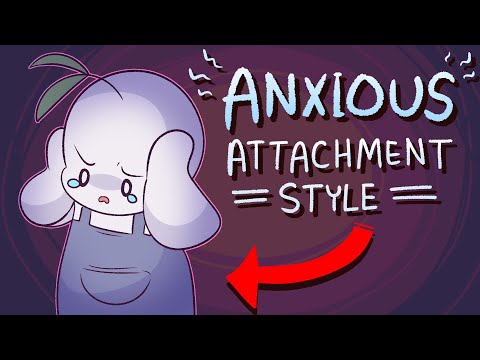
So, let’s chat about something that’s a bit tricky: anxious attachment. You know, it’s that feeling you get when you’re worried about your partner’s feelings or if they’re going to stick around.
It can seriously mess with your head and heart. You might find yourself overthinking texts or feeling jealous for no reason. Sound familiar?
A lot of guys go through this but don’t always talk about it. It’s like there’s this invisible weight that can make relationships feel super complicated.
But hey, recognizing this stuff is the first step to making it better. We’re gonna explore how anxious attachment shows up in guys’ relationships and what you can actually do about it.
Ready? Let’s jump in!
Understanding Anxious Attachment Style in Men’s Relationships: Inspiring Quotes and Insights
Understanding anxious attachment style can feel a bit like wandering through a maze. If you’re not sure what it is, or how it shows up in relationships, let’s break it down together.
Anxious attachment typically stems from early bonding experiences. Basically, if someone grows up feeling unsure whether their caregivers will be available or responsive, they might develop this anxious way of relating to others. So, in adult relationships, this can manifest as needing constant reassurance and fearing abandonment.
Now, when we talk about men and anxious attachment styles, things can get pretty interesting. Society often pushes guys to hide their feelings or act tough. This can make it hard for them to openly express their anxiety in relationships. They might struggle with feeling clingy or overly sensitive when their partner needs space.
Here are some key points about how this plays out:
- Reassurance Seeking: Those with an anxious attachment style often look for constant affirmation from their partners to feel secure. They might text a lot or need verbal reassurances that everything is okay.
- Fear of Abandonment: This fear can lead to overthinking and worrying about the relationship when everything seems fine on the surface.
- Difficulties with Trust: Men with an anxious attachment style may sometimes find it hard to trust their partner completely. Often they might read too much into things or feel insecure even with small disagreements.
- Emotional Intensity: Their emotional responses can be pretty intense. What seems minor for one partner can feel like a big deal for someone with anxiety attached.
But hey, let’s not forget that understanding this pattern is the first step toward growth! It’s all about recognizing those feelings without judgment.
I remember talking to a friend of mine who identified himself as having an anxious attachment style his whole life. He shared how every time his girlfriend would take a while to reply to his texts, he’d spiral into thoughts of doom—like she was losing interest or considering breaking up with him! It was tough for him because he felt stuck between wanting closeness but also fearing rejection.
Here are some inspiring quotes that reflect the journey of navigating these feelings:
«In every relationship, remember that being loved isn’t enough; learning how to love yourself first is crucial.»
«Our insecurities can’t define our worth; they’re just pieces of our puzzle.»
These remind us that it’s cool to acknowledge those fears while also working towards self-acceptance.
For guys dealing with an anxious attachment style, taking time to learn more about themselves helps tons. They might find therapy super beneficial—talking things out can help them understand their patterns better.
And here’s something else: communicating openly with partners is key! It’s important for both sides to understand needs without judgement or blame. This kind of transparency helps build stronger bonds over time.
So even though navigating life with an anxious attachment style can be tough at times, there’s always hope and room for growth! Just remember: you’re not alone in this; many people are working through similar struggles every day.
Navigating Love: Effective Strategies for Supporting Your Anxious Attachment Partner
Navigating love can be tricky, especially when one partner has an anxious attachment style. If you’re with someone who tends to worry about their relationship, it’s important to understand what that means for both of you. So, let’s talk about how to support your partner and create a healthier dynamic together.
First off, it helps to know that people with an anxious attachment often feel insecure in relationships. They might have intense fears about being abandoned or not being good enough. This could mean they seek constant reassurance, which can feel overwhelming at times.
Communication is key. Be open about your feelings and encourage your partner to do the same. If they voice concerns, listen actively without jumping into fix-it mode right away. Sometimes they just need to vent and know you’re there for them.
Another vital aspect is establishing trust. It might take time, but consistency in your actions goes a long way. If you say you’ll call at a certain time, make sure you do it! This predictability can help ease their fears.
Also, try your best to validate their feelings. It’s easy to dismiss worries as irrational when we don’t share the same perspective. But remember, their emotions are real and deserve recognition! You could say something like: “I understand why you might feel that way,” instead of “You shouldn’t feel like that.”
Setting boundaries is crucial too. Healthy relationships need space, so encourage your partner to engage in hobbies or friendships outside of the relationship. You both need time apart to recharge.
Showing affection consistently can make a huge difference as well. Little acts of love—like surprise texts saying you miss them or planning date nights—can help boost their confidence in your bond.
Most importantly, keep an eye on your reactions during disagreements or moments of anxiety. Staying calm sets a positive tone rather than escalating the situation further.
A good example comes from a friend who was dating someone with anxious attachment traits. Whenever they had an argument, my friend would try to keep her voice steady and remind her partner how much she loved him right after things cooled down. Those reassurances really helped him over time!
Lastly, consider seeking couples therapy if things get tough—you know? Sometimes having an unbiased third party can facilitate better communication and understanding between both partners.
Navigating love with someone who has an anxious attachment style certainly presents its challenges—but with patience and love from both sides; it can definitely click into place!
Understanding Anxious Attachment Style: Tips for Healthier Relationships
Anxious attachment style can tricky, especially in relationships. If you or someone you know has this style, it often leads to a lot of emotional ups and downs. So, let’s break it down in a way that makes sense.
What is Anxious Attachment Style?
Basically, it comes from our early experiences with caregivers. If there was inconsistency—like sometimes they were super loving and other times they were distant—it creates this nagging worry. You might feel like you’re always on edge about your relationships. You fear rejection or abandonment, even when things seem fine.
Imagine being in a relationship and constantly checking your partner’s texts or needing reassurance about their feelings. It’s exhausting! Someone with an anxious attachment style often craves closeness but fears the potential of losing it.
How It Affects Relationships
In men’s relationships, anxious attachment can create some unique challenges. Sometimes, guys might find themselves overly dependent on their partners for validation. This can lead to jealousy or clinginess that might push people away instead of bringing them closer.
For instance, let’s say your partner is running late for dinner. Instead of thinking they’re just stuck in traffic, your mind races with thoughts like “What if they don’t want to be with me anymore?” This cycle can drain both partners emotionally.
Tips for Healthier Relationships
Now that we get what it is and how it plays out, here are some ideas to help navigate this:
- Practice Self-Awareness: Start paying attention to your feelings and triggers. When do you feel the most anxious? Understanding these patterns can help you manage them better.
- Open Up Communication: Talk openly with your partner about how you feel. Sharing your worries can really lessen their hold on you and invites support from the other person.
- Set Boundaries: Know that it’s okay to have space in a relationship! Setting healthy boundaries helps both partners feel secure without feeling smothered.
- Cultivate Self-Soothing Techniques: Learn ways to calm yourself when anxiety hits—like deep breathing or getting lost in a hobby. It helps pull you back from overthinking!
- Avoid Over-Checking: Resist the urge to constantly check up on your partner’s social media or texts; trust plays a big role here!
The Power of Therapy
Engaging with a therapist can also be super beneficial if you’re hitting walls on your own. They help untangle those emotions and develop healthier coping strategies over time.
Like, I once knew someone who sought therapy due to her anxious attachment issues—it was eye-opening for her! She learned not only about her patterns but also skills that transformed how she viewed love and connection.
In short, understanding an anxious attachment style is like shining light into dark corners of emotional life—illuminating what’s going on inside so you can build stronger connections with others. You deserve healthy relationships where you feel secure and valued!
You know, when it comes to relationships, we all have our quirks and baggage, right? But if you’ve got an anxious attachment style, things can get pretty intense. Imagine trying to text your partner but feeling that pit in your stomach wondering if they’re going to reply. It’s not just about wanting attention; it’s like this deep-seated fear of abandonment creeping in every time there’s a lull in communication.
I remember when a buddy of mine was dating someone. He’d get super anxious whenever she didn’t respond right away. He’d start imagining the worst-case scenarios—what if she met someone else? What if she didn’t really like him at all? That worry turned into constant validation-seeking behavior, calling or texting multiple times just to check in. It was exhausting for him and honestly kind of suffocating for her too.
So, here’s the thing: an anxious attachment style often stems from earlier experiences—like inconsistent caregiving or traumatic events in childhood. When you’re wired this way, it can feel like a rollercoaster ride where every dip sends you spiraling into self-doubt and insecurity.
Now, let’s not forget that recognizing this pattern is half the battle. Seriously! Once my friend started to understand his attachment tendencies, he began working on himself. He established healthier communication habits and learned that it was okay to give space—not just for his partner but also for himself.
In relationships, navigating this style is all about balance. You want intimacy and connection, but without drowning the other person or yourself in anxiety. Communication becomes super important here—talking openly about feelings creates a safe space where both partners can thrive without feeling smothered.
So yeah, if you or someone you care about has an anxious attachment style in relationships, just remember that it’s possible to work through it with some awareness and effort. Everyone deserves healthy connections without the extra weight of anxiety hanging over their heads!