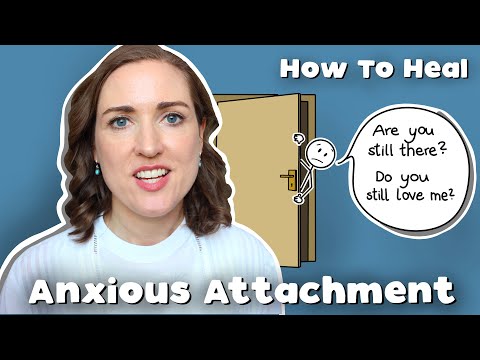
Alright, so let’s chat about something real. You know those moments when you feel like you’re walking on eggshells in a relationship? Yeah, that’s usually linked to attachment styles.
Anxious attachment? It can be a wild ride. You’re not alone if you’re constantly overthinking texts or stressing over what they really mean. Seriously, we’ve all been there.
It’s kind of exhausting, isn’t it? But understanding where you and your partner stand can make things way smoother.
So, grab a comfy drink and let’s break it down! We’ll navigate this together.
Understanding and Supporting Children with Anxious Attachment Styles in Relationships
When we talk about anxious attachment styles in children, it’s all about how they connect with the people around them. Kids who have this style often feel uncertain in their relationships. You might notice them clinging to you a little more than others or being super worried when you’re not around.
These attachment patterns usually come from early experiences with caregivers. If a child feels that their needs aren’t consistently met, they can end up developing an anxious attachment. You know how it feels when you’re just waiting for someone to text you back? That constant need for reassurance? That’s kind of what it’s like for these kids, but on a bigger scale.
So, how can you support these kiddos? Here are some key things to keep in mind:
It’s super helpful to model healthy relationships as well. Children learn by watching you interact with others. So, showing your own vulnerability—like admitting when you’re feeling scared or upset—teaches them it’s normal and okay.
Let me tell you something personal here: I once knew a kid who was constantly checking in with his mom at school, even during playtime. He couldn’t relax unless he knew she was nearby or if she texted him reassuring words every few minutes! You could see the relief wash over him whenever she’d pop into his classroom for even just a second!
All this points out that building trust takes time. The thing is, while some kids naturally develop secure attachments through supportive environments, others require more patience and love from caregivers who understand what anxious attachment looks like.
Remember too that sometimes professional help can be beneficial here. Therapists can offer tailored strategies for both parents and kids dealing with these feelings together.
To sum up, understand that nurturing an anxious child involves being there consistently but also providing the space for emotional expression. It’s about creating an environment where they feel safe enough to explore their feelings without fear of losing connection with you!
Understanding and Navigating Relationships with Adults Who Have Anxious Attachment Styles
Understanding and navigating relationships with adults who have anxious attachment styles can be quite the journey, you know? It’s like you’re tiptoeing through a field of emotional landmines sometimes. So let’s break it down, shall we?
Anxious Attachment Style Defined
People with an anxious attachment style often fear abandonment and crave closeness. They might feel insecure in relationships, needing constant reassurance from their partners. This fear usually stems from early experiences in childhood where they may not have received consistent support or emotional availability from caregivers.
Recognizing the Signs
You might notice a few things with someone who has this style. They often seek validation frequently—maybe they text you a ton or ask if you still love them, even when you just said it! Or they could display clingy behavior, getting upset when plans change or when you’re busy.
- Emotional Intensity: Expect big feelings. They might swing from joy to anxiety in seconds.
- Overthinking: You may catch them pondering every little word or action. Did I say something wrong? It’s exhausting!
- Fear of Rejection: A simple “I’m tired” can trigger deep fears of being rejected.
Navigating Communication
Talking openly is crucial here. When they express their worries, be patient. Honestly, it helps to validate their feelings without dismissing them as overreactions. Instead of saying «You’re being dramatic,» try something like «I see this really bothers you.» It shows you care and lets them feel understood.
Also, don’t ignore your own needs! It’s super important to set boundaries while also supporting them—like saying “I need alone time for a bit.” This helps both parties recognize that it’s okay to have individual space.
Bouncing Back from Conflict
Disagreements are gonna happen, that’s just life! But how do we handle those clashes? Stay calm and avoid escalating the situation. Using “I” statements can work wonders here: instead of “You always get mad,” say “I feel overwhelmed when…” This way, you’re expressing your emotions without putting them on the defensive.
And hey, after conflicts resolve, revisit things together. Discuss what worked and what didn’t so both of you can learn for next time.
The Role of Reassurance
Regularly providing reassurance can soothe anxious attachment behavior. Simple gestures like texts that read «Thinking about you» or «You’re doing great» go a long way! Just remember—you don’t want to turn into a crutch; finding balance is key.
Encouraging Independence
Support their growth towards independence too! Encourage hobbies or friendships outside your relationship so they build confidence in themselves apart from that bond.
It’s not just about surviving each moment but thriving together! Anxious attachments don’t define someone; it’s merely part of their story—one that can evolve.
In short, navigating relationships with adults who have an anxious attachment style can feel heavy sometimes but don’t lose hope! With understanding and good communication skills, both partners can build a healthier dynamic together.
Navigating Relationships: Effective Strategies for Supporting an Anxious Attachment Partner
Navigating relationships with someone who has an **anxious attachment style** can feel like walking through a minefield. It’s challenging, but when you understand what’s going on, it gets easier. So let’s break it down:
Anxious attachment styles often develop from early experiences in childhood. If a child feels inconsistent care from their caregivers, they might grow up needing constant reassurance in relationships. It’s not about being clingy; it’s more about needing that emotional connection to feel secure.
You might notice your partner frequently seeking reassurance. They could ask questions like, “Do you love me?” or “Will you still be here tomorrow?” It can feel overwhelming sometimes, especially if you’re not sure how to respond.
So here are some key strategies to support your partner:
- Be consistent. Your partner thrives on stability. Regularly showing up and being present can help create a safe space for them.
- Open communication is key. Talk about feelings and thoughts openly. Encourage your partner to share their worries without judgment.
- Validate their feelings. If they’re feeling anxious, acknowledge their fears instead of dismissing them. Saying something like, “I understand why you’d feel that way,” goes a long way.
- Set boundaries clearly. It’s important for both of you to know what feels comfortable and what doesn’t. This helps build trust over time.
- Encourage independence. While it’s essential to be there for them, also support your partner in doing things on their own. This helps lessen anxiety as they learn to trust themselves more.
One thing that’s helpful is creating rituals together—like a weekly ‘check-in’ where both of you discuss how you’re feeling about the relationship or any stressors in life. This can solidify that bond and give them something steady to look forward to.
It’s also super important not to take it personally if they get upset or need reassurance often. Remember that this isn’t about you; it’s really about how they learned to navigate love and connection.
Try using phrases like “I’m here for you,” when tensions rise, or simple affirmations such as “You matter” or “You’re safe with me.” These little comments can offer your anxious partner the comfort they desperately seek.
One friend of mine had a partner who struggled with anxiety in relationships. They discovered that when she felt reassured—like he’d text her mid-day just saying he was thinking of her—it made all the difference in her mood and how she interacted with him later.
But hey, supporting someone doesn’t mean ignoring your own needs too! Remember that balance is vital for both partners’ well-being. Keep checking in with yourself just as much as you’re checking in with them.
Really, navigating relationships with an anxious attachment partner takes patience and empathy. The goal isn’t just making things easier for them but creating a healthy dynamic where both people shine together!
Navigating relationships with an anxious attachment style can feel like riding a rollercoaster on a first date. You know that rush of excitement mixed with a little bit of terror? Yeah, that’s pretty much it. So, here’s the deal: if you’ve got this style, you might find yourself craving closeness while also worrying that your partner will pull away or abandon you. It’s like being on high alert all the time, and let me tell you, it can be exhausting.
I remember a friend of mine who always seemed to pick partners who just weren’t good for her. She’d text them all the time—like constantly—but every time they took too long to reply, she’d spiral into this maze of doubts and what-ifs. “What if he doesn’t like me anymore? What if he’s found someone better?” It was like watching someone try to dance gracefully while juggling flaming torches—it just didn’t seem possible.
This kind of anxiety can lead to some interesting behaviors. You might find yourself needing constant reassurances that everything is okay in the relationship. That’s totally normal! But then there are times when all those worries begin to cloud your judgment and make communication tricky. You could end up reading between the lines of every little text message or interpreting silence as rejection.
But hey, it’s not all doom and gloom! Understanding your anxious attachment style is a huge step towards feeling more grounded in your relationships. By recognizing these patterns, you can start working on building trust—both in yourself and with your partner. It’s like when you realize how much sugar you’ve been adding to your coffee; once you notice it, you can adjust and find a balance that’s more satisfying.
Open conversations can help too! Sharing your feelings about anxiety with your partner allows them to understand where you’re coming from. It takes courage but trust me, being open about what makes you tick can lead to deeper connections rather than push them away.
It’s kinda freeing when you think about it—recognizing those feelings as part of who you are rather than allowing them to rule your life isn’t easy but definitely worth it! Being aware means someday you’ll be able to enjoy that rollercoaster ride without freaking out at every twist and turn. And remember: you’re not alone in this whole thing; so many people navigate similar pathways in their relationships.