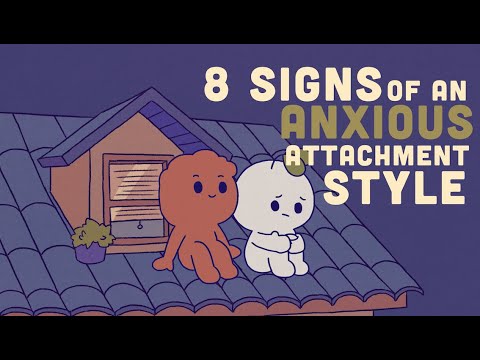
So, let’s talk about relationships. You know how some people seem super chill while others get all tangled up in their feelings? Well, that’s kind of what attachment styles are all about.
Have you ever felt a little too clingy or maybe like you push people away? Yup, that’s real stuff. It all ties back to how we connect with others.
If you’re curious about your own style—or if you just want to understand why your last relationship went south—this quiz could be a game-changer for you. Seriously.
It’s not just about knowing; it’s about opening up a whole new way of seeing yourself and your connections. Let’s figure this out together! Ready to jump in?
Discover Your Anxious Attachment Style: Free Quiz for Self-Reflection in Relationships
Anxious attachment style can feel like a rollercoaster, right? You’re always worried about whether your partner truly loves you or if they’re going to disappear. It’s not just in your head; it’s how you’ve learned to relate in close relationships, often due to early experiences with caregivers. If you’re curious about this style, taking a quiz can be a really eye-opening experience.
When you think of anxious attachment, picture someone who feels clingy or overly sensitive to their partner’s moods. They tend to need constant reassurance and may get super anxious if they don’t hear from their partner for a bit. It’s like waiting for that text back and feeling your heart race as the minutes tick by.
To help you figure out if this sounds familiar, let’s break down some key points that the quiz might explore:
- Fear of Abandonment: Do you often worry that your partner is going to leave you?
- Need for Reassurance: How often do you find yourself asking your partner if they still love you?
- Overthinking: Do you tend to dwell on little things they say or do, interpreting them as possible signs of trouble?
- Coping Strategies: Instead of giving space when feeling insecure, do you crave closeness even more?
Taking the quiz might make you realize that these feelings are pretty common. You’re definitely not alone in this! Think back to times when you’ve felt especially anxious in relationships—perhaps after a fight or when your partner had to work late.
Let’s say you’ve been texting your significant other and they don’t reply right away. If you’re feeling anxious, maybe you’ll start imagining the worst-case scenarios: «Did I say something wrong?» or «Are they losing interest?» That kind of thinking can spiral quickly.
So, once you’ve taken the quiz and reflected on your answers, what can come next? Understanding whether you lean towards an anxious attachment style allows for some seriously valuable self-reflection. You could also consider discussing it with someone close—someone who knows both you and your relationship well.
By recognizing these patterns, it doesn’t just stop at self-awareness. You’re opening doors for change! Maybe you’ll want to practice open communication with your partner by sharing your feelings without fear of judgment.
In summary, taking an anxious attachment style quiz opens up a path for reflection in relationships. Whether you’re currently in one or maybe prepping for future ones, knowing yourself better helps create healthier dynamics. So go ahead—a little self-discovery never hurt anyone! Plus, it might just lead to more fulfilling connections down the line.
Discover Your Anxious Attachment Style: A Quiz for Understanding Relationships in Children
Understanding your attachment style can be a game-changer, especially when it comes to relationships. If you’ve heard about anxious attachment and wondered how it shows up in your life or the lives of children around you, you’re in the right place.
Anxious attachment basically means a person feels insecure in their relationships. It often stems from early experiences with caregivers who were inconsistent. That could look like a parent who was sometimes nurturing but could also vanish emotionally or physically at times. You might see kids with this style being clingy or overly worried that things won’t work out in friendships or family bonds.
If you’re curious whether someone you know—maybe a child—leans toward an anxious attachment style, you might find some helpful clues. Children displaying this often have intense reactions when separated from their close ones. They might cry or throw tantrums as if the world is ending when they think they might lose someone special.
Now, let’s talk about some common traits of anxious attachment:
- Fear of abandonment: Kids may constantly seek reassurance. You’ll hear them say things like, “Are you going to leave me?”
- Clinginess: They often stick close to their primary caregiver at home or school, hesitating to explore.
- Emotional outbursts: Sudden feelings of fear or distress can come on strong, even over minor separations.
- Difficulty trusting: Trust issues may arise later in friendships and romantic relationships.
Let me share a quick story to illustrate what I mean. A friend of mine had a little cousin named Lily who was just seven years old but acted as if she were always one step away from losing her mom. Whenever her mom left the room—even for just a minute—Lily would start sobbing uncontrollably. It wasn’t uncommon for this kind of emotional response to show up during playdates too; she would cling tightly to her mom’s leg whenever another child approached her.
So what causes all this? It’s not just random; it usually relates back to how consistent and responsive parental figures have been during early childhood years. If those caregivers provided love most of the time but suddenly pulled back at others, it creates confusion for the child about if they’ll get that love whenever they need it.
Now, if you’re wondering about figuring out your own anxious attachment style (or that of someone close), taking a quiz can be pretty illuminating! These quizzes don’t just label; they help highlight patterns and give insights into why people act the way they do in relationships.
Keep in mind that while understanding these styles can help you navigate your emotions better, it’s also worth considering therapy if feelings get overwhelming—or if you’re simply curious about digging deeper into your past experiences.
To wrap things up, learning about anxious attachment can open doors for better connections—not only with others but also with yourself! Each step forward is an opportunity for growth and understanding both past and present relationships more profoundly.
Discover Your Attachment Style: Take Our Free Test Today!
Sure! Let’s dig into attachment styles, especially the anxious attachment style, and how it shapes your relationships.
What Exactly is Attachment Style?
Okay, so here’s the deal. Your attachment style is like a blueprint for how you connect with others. It often takes root in childhood through relationships with parents or caregivers. But it doesn’t stop there; experiences throughout life keep shaping it.
The 4 Main Styles
Most folks fall into one of four categories: secure, anxious, avoidant, or disorganized. Here are some quick points about them:
Now, let’s zoom in on anxious attachment. If you have this style, you might find yourself needing constant reassurance from loved ones. You could feel like you’re on an emotional roller coaster when your partner doesn’t respond immediately to texts or seems a bit distant.
Your Emotional Experience
I remember chatting with a friend once who had this anxious attachment vibe going on. She would often overthink things like “Did I say something wrong?” or “Why haven’t they called me back?” It was exhausting for her. She craved deep connection but also lived in fear of rejection. You see how that creates this push-pull dynamic? Not fun!
The Quiz Angle
If you’re curious about where you fit in all this, taking an Anxious Attachment Style Quiz can be super helpful. These quizzes usually ask questions about your behaviors and feelings in relationships to help identify your pattern.
The Importance of Knowing Your Style
Understanding if you lean toward an anxious attachment can be a game-changer in how you approach relationships—whether romantic or friendships. Recognizing your patterns helps you communicate better and set healthy boundaries. It’s all about growth!
In case you’re wondering, having an anxious attachment doesn’t define your entire being! It’s just one piece of the puzzle of who you are. Awareness leads to change; knowing your triggers can empower you to soften the emotional reactions that come up.
And hey, remember: working on developing a more secure attachment style is totally possible! Therapy can be a great support here too—just talk through those feelings with someone who gets it.
So if any of this resonates with you, think about checking out a quiz or just doing some self-reflection around these ideas! Knowledge is power, right?
So, let’s talk about anxious attachment styles. You know, it’s one of those terms you hear thrown around in therapy circles or relationship talks. Basically, if you have an anxious attachment style, you might find yourself feeling this constant worry about being abandoned or not being loved enough. It can really mess with your relationships, leading you to seek out constant reassurance from partners or friends.
I remember a time when I was totally caught up in that anxious vibe. I was dating someone who seemed super into me at first. But then, as things started getting serious, I’d find myself panicking over every little thing he did—or didn’t do. If he didn’t text back right away? My mind would spiral! Was it something I said? Did he meet someone else? Seriously, the mental acrobatics were exhausting.
Taking a quiz on anxious attachment styles can be a real game changer though! It’s like holding up a mirror to your emotional responses and behaviors in relationships. You answer questions about how you feel when you’re close to someone or how you deal with conflict and before you know it, you’ve got some insight into where you’re at emotionally.
The cool thing is that this isn’t some rigid label—it’s more like a tool for self-discovery. Once you recognize these patterns in yourself, it’s easier to communicate your needs and maybe even break the cycle of anxiety that’s been driving those relationship worries. It’s all about growth and awareness.
And look, we all have our baggage! Realizing you’ve got an anxious attachment style doesn’t mean you’re doomed to repeat the same mistakes over and over again, right? It just gives you a chance to understand yourself better so you can create healthier connections moving forward. So whether you’re single or in a relationship that has its ups and downs, this stuff really matters.
Like seriously, understanding where those feelings come from can lead to healthier boundaries—not just for yourself but also for your partners. It’s about figuring out how to balance between needing closeness and giving space without all the freak-outs in between. Feels liberating just thinking about it!