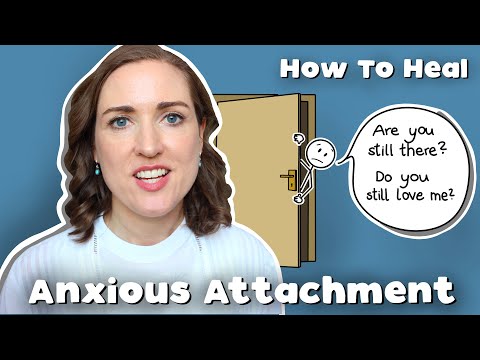
You know that feeling when you really want to connect with someone, but it’s like there’s this wall between you? Yeah, that’s pretty much how anxious attachment can feel.
It’s wild, right? You might find yourself questioning everything—like, «Do they really like me?» or «What if they leave?» It can just eat at you.
So many people deal with this stuff. And honestly, it can be tough to talk about in mental health spaces. Like, who wants to spill their guts when you’re scared of being judged?
But the thing is, having an anxious attachment style doesn’t mean there’s something inherently wrong with you. Seriously! It’s all about understanding where it comes from and how to manage those feelings.
Let’s chat about what anxious attachment looks like and how we can navigate those emotions in a world where connection is everything. Sound good?
Understanding Avoidant Attachment Style: Signs, Causes, and Strategies for Healing
Okay, so let’s talk about Avoidant Attachment Style. It can be a real game changer in relationships and how you connect with people. If you’ve ever felt like you have walls up when it comes to intimacy, or maybe you pull away when things get too close, that could be a sign of avoidant attachment.
So, what exactly is this? Well, avoidant attachment is basically a way of relating to others that stems from early life experiences. Kids who develop this style often didn’t get enough emotional support from their caregivers. Because of this, they learn to be self-reliant and may view closeness as uncomfortable or threatening. They think it’s better to keep people at arm’s length.
- Signs of Avoidant Attachment: One common sign is difficulty expressing feelings. You might find it hard to let someone in or share your emotions—like when your best friend wants to talk about feelings and you’d rather change the subject.
- Fear of Dependence: If relying on someone makes you squirm, that’s another clue. You could feel like depending on others means losing your freedom.
- Avoiding Closeness: When your partner tries to get closer, if you suddenly start backing off or feeling trapped—that’s classic avoidant behavior.
- Conflict Avoidance: Do you steer clear of arguments by just not bringing up important issues? That’s another telltale sign.
Now, let’s dig into why this happens. Think back to childhood for a second. Imagine growing up with caregivers who were either emotionally unavailable or inconsistent; sometimes they were there for you and sometimes they weren’t. This unpredictability can lead kids to shut down emotionally as a way to protect themselves later in life.
The tricky part here is that these habits can carry over into adulthood and affect how you handle relationships. It’s not easy—trust me! You might want love and connection but find yourself pushing people away at the same time.
If you’re recognizing some of these signs in yourself or someone close to you, don’t panic! There are ways to work through this stuff and heal those old wounds.
- Therapy: Working with a therapist can help uncover those early experiences that shaped your attachment style and learn new ways of connecting. They’ll guide you through understanding your feelings better.
- Practice Vulnerability: Start small by sharing little things about yourself with trusted friends or family members. It could be something as simple as what made you laugh last week—or even an embarrassing story!
- Mindfulness Techniques: Being present can help manage anxiety around closeness. Breathing exercises and grounding techniques might ease some discomfort when relationships start feeling intense.
- Open Communication: If you’re in a relationship and notice avoidant tendencies creeping up, try talking about it with your partner! Seriously—it’s way easier than hiding behind those walls.
Avoidant attachment doesn’t have to define your relationships forever; it’s just one piece of the puzzle. Remember the story I mentioned earlier? Imagine someone realizing they’ve been holding back without knowing why—then taking tiny steps toward opening up again over time just feels liberating!
Your journey might take time—growth rarely happens overnight—but every little step counts when it comes to healing from an avoidant attachment style!
Understanding Anxious Attachment Style: Insights for Mental Health Discussions and Personal Growth
So, let’s talk about anxious attachment style. You know, it’s one of those things that can really shape how you connect with others. If you think about your relationships—friends, family, partners—anxious attachment often shows up as needing a lot of reassurance. You might feel like you’re always on edge, waiting for the other shoe to drop.
Anxious attachment comes from early interactions with caregivers. When those caregivers were inconsistent—sometimes loving and sometimes distant—it creates this fear of abandonment in kids. As they grow up, those patterns stick. It’s like a mental blueprint of love and connection where you’re constantly worried that people will leave or reject you.
You may notice some telltale signs if you or someone close to you has an anxious attachment style:
- Always seeking approval and validation from loved ones.
- Feeling insecure in relationships even when things are going well.
- Having feelings of jealousy toward friends or partners.
- Panic when you perceive someone is pulling away.
Let me share a little story from my friend Sarah. She always worried that her boyfriend might be losing interest. Whenever he didn’t text back right away, she’d spiral into thoughts like “Is he mad? Is he cheating?” This didn’t just affect her mood; it impacted their relationship too because her constant need for reassurance became overwhelming for him.
Navigating these feelings isn’t easy. But understanding where they come from can help a ton! You know what I mean? It’s all about recognizing those patterns so you can work on them.
One way to do this is through therapy. Talking it out with a professional can give you tools to manage anxiety in relationships better. Cognitive Behavioral Therapy (CBT) is especially helpful; it teaches you how to challenge those negative thoughts that pop up when you’re feeling insecure.
Another important part? Self-awareness. Try reflecting on your feelings and behaviors in relationships without judgment. Keeping a journal can be super beneficial too! Write down what triggers your anxiety and how you react to it. Over time, you’ll spot patterns, and understanding them is the first step toward change.
And hey, communication plays a huge role here! Expressing your needs honestly can create more secure bonds with others. Your friends and partners might not even realize what you’re feeling unless you tell them directly!
So remember: if you’re navigating this anxious attachment style thing, don’t lose hope! You’re not alone in this journey toward healthier connections with people around you. Embracing these challenges is part of personal growth—and who doesn’t want to grow?
Transforming Relationships: A Guide to Healing Anxious Attachment Styles
Transforming Relationships: Healing Anxious Attachment Styles
So, let’s talk about something that can really shake up your relationships—anxious attachment styles. You know how some people just seem to cling a little too much? That’s often rooted in an anxious attachment style. It can make love feel a bit like that rollercoaster ride where you’re not sure if you’re screaming in joy or terror.
When you have an anxious attachment, you might be constantly worried about your partner’s feelings for you. Like, are they gonna leave? Did I say something wrong? This can lead to behaviors that aren’t always healthy—like texting too often or needing constant reassurance. It’s exhausting, right?
It all usually starts in childhood. You might’ve had caregivers who were inconsistent—sometimes super loving and other times really distant. This inconsistency can lead to feeling unsure about whether you’ll be supported or not. Kinda like standing on shaky ground.
Now, don’t get me wrong; it’s totally possible to change this pattern! Here are some ways to start healing and transforming those relationships:
- Acknowledge Your Feelings: First off, recognize when those anxious feelings pop up. Like, if you’re panicking because your partner didn’t text back immediately, try taking a breather and reminding yourself it’s okay.
- Communicate Openly: Talk about your feelings with your partner. For example, instead of saying “You never text me back!” try expressing “I feel anxious when I don’t hear from you.” This way they know what’s going on in your head without feeling attacked.
- Practice Self-Soothing: Find ways to calm yourself down when those worries creep in. Whether it’s deep breathing, going for a walk, or listening to music that makes you happy, self-soothing is super important.
- Set Healthy Boundaries: It’s crucial (and totally okay) to set boundaries for yourself and with others. If you need space sometimes, just say it! Respecting your own needs helps build healthier relationships.
- Seek Professional Help: Sometimes talking it out with a therapist can help untangle those feelings and offer new tools for dealing with anxiety in relationships.
You might remember a time when you felt particularly abandoned or anxious—like waiting for that friend to show up who always seems late or flaking out last minute. You felt all those emotions bubbling up because of past experiences—not necessarily from what was happening at that moment.
Healing takes time; it’s more like a marathon than a sprint. You’ll have good days and some tough ones too—that’s completely normal! The journey involves learning more about yourself and understanding how attachment styles work.
The thing is, by acknowledging these patterns and addressing them head-on, you’re paving the way to not only healthier relationships but also finding peace within yourself! Just keep moving forward; it’s really worth the effort!
So, let’s chat about anxious attachment style for a sec. You know, that feeling where you’re constantly worried about being abandoned or feeling insecure in your relationships? It’s like having this little voice in your head that keeps saying, “What if they don’t really care?” Sound familiar?
I remember a friend of mine who often felt this way. Every time she’d open up about her feelings or share something personal, she’d get super anxious, waiting for the other person to react. Like, she’d spiral into worry if they didn’t respond right away. It made those conversations really tough. Instead of just talking freely, she’d overthink every word. And honestly? That can be exhausting.
When it comes to mental health discussions, it gets even trickier for folks with an anxious attachment style. You might find yourself seeking constant reassurance from friends, therapists—whoever will listen! But guess what? That can sometimes overwhelm people around you. They might feel pressure to provide answers or comfort when they themselves are just trying to navigate their own emotions.
That’s why it’s super important to find safe spaces where you can express these feelings without any judgment. Therapy can be a game changer! A good therapist helps you explore those feelings in depth and helps you understand how they shape your interactions with others. It’s not just about venting; it’s also finding ways to communicate what you need without struggling so much.
But here’s the thing: as with anything else in life, progress isn’t linear. There’ll be days when you’re feeling all kinds of secure and others when the old fears creep back in. Just remember—it doesn’t mean you’ve failed or that change isn’t happening.
At the end of the day, navigating an anxious attachment style means learning more about yourself—your needs and fears—and figuring out how to express them without losing your mind or pushing others away. It’s a journey, not a race! So take a deep breath and keep moving forward at your own pace!