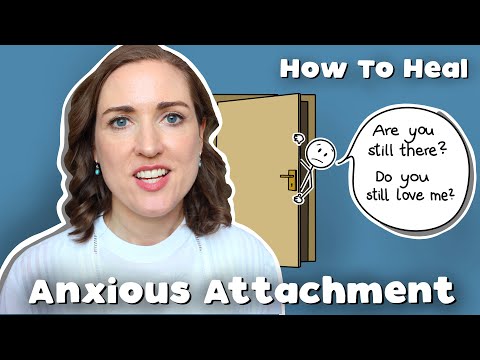
You ever feel like you’re stuck in this loop? Like you want to connect, but something always holds you back?
Yeah, that’s what anxious attachment feels like. It’s tricky. You might crave closeness but worry like crazy about being abandoned or ignored. Heart racing, mind racing—total chaos.
But here’s the thing: you don’t have to navigate this alone. Therapy and support can really help untangle those feelings and bring some peace into your life.
Imagine feeling secure in your relationships instead of constantly worried. Sounds nice, right? Well, it’s totally possible! Let’s chat about how healing can happen.
Discover the Best Therapies for Healing Anxious Attachment Style: A Comprehensive Guide
So, let’s talk about anxious attachment style. You know, it’s that feeling of constantly worrying if people love you as much as you love them. You might find yourself clingy, needing reassurance, or getting super anxious when your partner doesn’t text back right away. It can be a real rollercoaster ride. But don’t sweat it—you’re not alone in this! There are therapies that can help you move toward a more secure attachment style, which is what everyone kinda wants at the end of the day.
Cognitive Behavioral Therapy (CBT) is one powerful approach. This type of therapy focuses on recognizing and changing negative thought patterns. Think about it like this: when you feel anxious about a relationship, your brain might tell you things like “They’re going to leave me” or “I’m not good enough.” With CBT, you’ll work with a therapist to challenge those thoughts. They can help you understand where they come from and replace them with more balanced ones.
Then there’s Emotionally Focused Therapy (EFT). This one’s a gem for couples but can also work individually. EFT helps you comprehend your emotional responses and learn how to express them constructively. Imagine talking openly about what triggers your anxiety with your partner instead of shutting down or pushing them away. Sounds freeing, right? The therapist will guide these conversations so both partners feel heard.
Another option is Mindfulness-Based Therapy. Mindfulness teaches you to stay present and notice your thoughts without judgment—seriously powerful stuff! You might start feeling those waves of anxiety crashing over you, but instead of spiraling into panic, mindfulness helps you observe those feelings without getting swept away. Practicing deep breathing or meditation can be life-changing here.
Group therapy could also be super beneficial for healing an anxious attachment style. Being part of a group means that you’re sharing experiences with others who totally get where you’re coming from. It creates a safe environment to explore feelings and even learn from others’ coping strategies. Plus, talking it out among peers can help ease feelings of isolation.
Support from friends and family matters too! Sometimes just knowing there are people in your corner who support and understand your struggles makes all the difference.
So yeah, healing an anxious attachment style isn’t going to happen overnight—it takes some time and effort but hang in there! With the right therapy options and support around you, things can definitely get better over time!
Understanding Therapy Techniques for Treating Anxious Attachment Styles
Anxious attachment style can be tough to deal with. People with this style often find themselves feeling insecure in relationships, constantly seeking reassurance from others. This can lead to a lot of stress and emotional ups and downs. But there’s good news: therapy can help! Let’s break down some therapy techniques that are useful for treating anxious attachment styles.
Attachment Theory Basics
To get the ball rolling, it’s important to understand where anxious attachment comes from. It usually develops in childhood, often due to inconsistent caregiving. You might feel anxious about being abandoned or not being good enough, which can carry into adult relationships.
Cognitive Behavioral Therapy (CBT)
One popular approach is Cognitive Behavioral Therapy. This technique helps you identify negative thought patterns that contribute to your anxiety in relationships. For example, if you tend to think “If they don’t text me back right away, they must not care,” CBT teaches you to challenge that thought. You learn to replace it with something more balanced, like “Maybe they’re busy and will respond later.”
Emotionally Focused Therapy (EFT)
Another effective method is Emotionally Focused Therapy. This one focuses on strengthening your emotional bonds by improving communication patterns between partners. Imagine having a safe space where you can express your fears about losing someone without judgment; sounds relieving, doesn’t it? Your therapist guides you through expressing needs and emotions more clearly.
Mindfulness-Based Techniques
Mindfulness practices are also super useful. These techniques help ground you in the present moment instead of worrying about what others think or how they’ll respond. Try simple exercises like focusing on your breath or observing your thoughts without judgment. Over time, this helps reduce anxiety and increases self-awareness.
Building Self-Esteem
Let’s talk about self-esteem; it’s crucial for those with an anxious attachment style. A therapist might use various exercises aimed at boosting confidence and self-worth—like positive affirmations or setting small goals that make you feel accomplished. The better you feel about yourself, the less likely you’ll cling desperately to others’ approval.
Support Systems
Finally, don’t underestimate the power of support systems! Engaging with friends who understand what you’re going through can make a world of difference. Sometimes just talking about your experiences helps validate your feelings and reduces isolation.
In sum, dealing with anxious attachment takes time and effort but using these therapy techniques can help create healthier relationships over time. Healing is absolutely possible when you commit to understanding yourself better!
Effective Strategies to Soothe Anxious Attachment Triggers and Cultivate Emotional Resilience
Anxious attachment can feel like an emotional rollercoaster, right? One moment, you’re on cloud nine, and the next, you’re worried about being abandoned or unloved. It’s tough. But there are effective strategies to help soothe those triggers and build some emotional resilience.
Recognize Your Triggers
First things first, it’s crucial to identify what sets off your anxiety. Maybe it’s a lack of response to a text message or seeing someone you care about spending time with others. When you know your triggers, you can prepare for them better. Journaling can be super helpful here; write down situations that make you feel uneasy along with your thoughts and feelings about them.
Practice Mindfulness
Mindfulness is like having a little vacation for your mind. When those anxious feelings bubble up, try focusing on your breath or the sensations around you. It brings you back to the present moment. Just take a few minutes to breathe deeply and pay attention to what’s going on in your body instead of letting negative thoughts spiral out of control.
Self-Soothing Techniques
Learning how to self-soothe is a game changer! This can be anything from listening to calming music, sipping tea, or taking a warm bath. Even something as simple as hugging a pillow might help ground you during those anxious moments. Find what works for you!
Avoid Assumptions
When anxiety kicks in, it’s easy to make wild assumptions about what others think or feel about us. You might jump to conclusions that someone doesn’t care just because they didn’t reply right away. Instead of assuming the worst, try asking for clarification instead of playing mental gymnastics.
Seek Support
Building healthy relationships with supportive people can make all the difference! Talk it out with trusted friends or family who understand where you’re coming from—sharing your insecurities can lighten the load significantly. Plus, if possible, therapy can provide professional support tailored specifically for anxious attachment styles.
Cultivate Resilience Through Positive Affirmations
Positive affirmations are like little pep talks from yourself! Phrases like “I am worthy of love” or “I am enough” can shift your mindset over time. Say these affirmations daily—maybe while looking at yourself in the mirror! It sounds cheesy but trust me; repetition is powerful.
Create Healthy Boundaries
Setting boundaries is essential for emotional health; they protect us from feeling overwhelmed by our emotions and other people’s needs. It could be saying no when you’re pushed too hard by others or carving out “me” time each week where nothing else matters but recharging your own batteries.
Gradually Expose Yourself To Vulnerability
This may sound counterintuitive at first—putting yourself out there when feeling anxious? But taking small steps toward vulnerability actually helps decrease anxiety over time! Share how you’re feeling with someone close incrementally until it feels more comfortable.
Applying these strategies takes time and practice—be gentle with yourself as you navigate this journey toward emotional resilience and healing from anxious attachment patterns. You’re not alone in this; there are so many ways we can learn and grow together!
So, let’s chat a bit about anxious attachment and, you know, how therapy and support can really help with that. I remember this one time when a friend of mine opened up about their relationship struggles. It was tough to see them go through the whirlwind of anxiety every time their partner didn’t respond immediately to a text or seemed a little distant. I mean, seriously, the fear of rejection was consuming them. They felt like they were walking on eggshells all the time.
Anxious attachment often stems from early relationships—maybe you didn’t get enough reassurance or consistency from caregivers growing up. And what happens is that it shapes how you approach connections later in life, making you constantly seek validation and worry about abandonment. It’s like being on a rollercoaster that never stops; some days are thrilling, but more often than not, you’re just hanging on for dear life.
Therapy can be such a game changer. An experienced therapist helps you unpack those past experiences in a safe space. They guide you to recognize those old patterns and reframe your thoughts. For my friend, participating in this process meant learning to actually sit with uncomfortable feelings instead of reacting right away. Like instead of spiraling into panic when a partner’s late getting back to them, they learned to ask themselves if it was really something to worry about or just their anxious mind playing tricks.
And let me tell you—support from friends or even support groups can make all the difference too. Just knowing you’re not alone can really lighten that heavy load. Talking things out with people who get it eases some of that anxiety because hey, it’s reassuring to connect with others who have faced similar struggles.
So yeah, healing from anxious attachment takes time and patience—it’s like building muscle after an injury. But each small step in therapy and support adds up to real change over time. Imagine going from worrying non-stop about your relationships to feeling secure and grounded! That’s totally possible—the journey might not be easy-peasy all the way through, but every little breakthrough is worth celebrating!