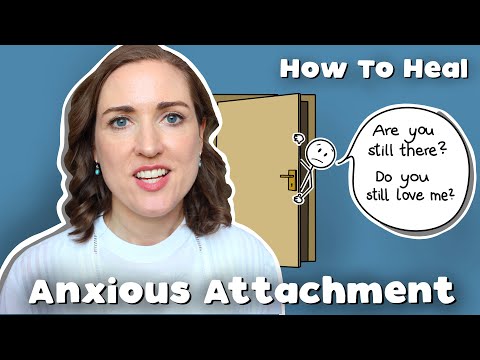
You ever feel like you’re on this emotional rollercoaster? One moment, you’re soaring high, and the next, you’re spiraling into anxiety over relationships. It’s rough, right?
Well, if you’ve got that anxious attachment thing going on, you’re not alone. Seriously, so many of us deal with it. It’s like being stuck in this loop where you crave closeness but also fear it at the same time.
But hear me out. There’s hope! Healing that anxious attachment style can totally change your vibe when it comes to love and friendships. You can find a way to feel more secure in your connections.
So let’s chat about some pathways to emotional security—no jargon or fancy talk here, just real talk about how we can work through this together. Sound good?
Transforming Anxious Attachment: Free Strategies for Achieving Emotional Security
Transforming anxious attachment can feel like climbing a steep mountain, but it’s totally doable. You might be wondering how to create that emotional security we all crave. The thing is, you have some powerful tools at your fingertips, and they’re pretty simple! Let’s break it down.
Understanding Your Attachment Style is step one. Anxious attachment often means you worry about your relationships and fear abandonment. Maybe you’ve noticed yourself feeling clingy or overly concerned with what others think of you. It’s frustrating, I know. But just recognizing these feelings can be a game-changer. Like when my friend Jess started realizing she always worried if her boyfriend wasn’t texting back right away—she started to see how that worry stemmed from her past experiences.
Next up, self-soothing techniques can help ease those anxious feelings in the moment. You could try deep breathing or grounding exercises when anxiety creeps in. For instance, when you feel overwhelmed, close your eyes and take a few slow breaths while focusing on your toes and slowly work your way up your body. This helps anchor you in the present instead of spiraling into worries about abandonment.
Another effective strategy is setting boundaries. Yeah, it sounds simple, but it packs a punch! Learning to say “no” or express what you need in a relationship helps reduce anxiety significantly. Like when my buddy Tom was always busy meeting everyone else’s needs—he finally learned to voice his own needs too. It shifted his relationships for the better!
Now let’s talk about open communication. Being transparent about your feelings with loved ones lays the groundwork for stronger connections. If you’re feeling insecure about something, share it! In one instance, my sister told her partner about her triggers related to feeling abandoned—they worked together to find ways to reassure each other during tough moments.
Another tip? Practice mindfulness. This isn’t just some trendy buzzword; it’s truly beneficial for calming your mind and managing anxiety. Regular practices like meditation or journaling can help clear mental clutter and allow space for positive thoughts as well as self-acceptance.
Lastly, surrounding yourself with supportive folks is key! Building a network of friends who understand your journey boosts emotional security immensely; friendship acts as a cushion against anxiety! Like how Gina found her tribe at yoga classes; having those strong connections helped reinforce her resilience.
So remember this: transforming anxious attachment isn’t an overnight miracle—it takes practice and patience. With these strategies in mind—like self-soothing techniques, open communication, setting boundaries—you’re on the right path towards achieving that emotional security! And if things get tough? Just take it one day at a time; that’s all anyone can really do anyway!
Transforming Anxious Attachment: Pathways to Emotional Security for Children
Anxious attachment can stir a whole whirlwind of emotions in kids. Imagine a little one constantly checking if their parent will come back when they leave the room. You see, children with anxious attachment often worry their caregivers might not be there for them consistently. This uncertainty can lead to feelings of insecurity and anxiety. But there are ways to help these kids feel more emotionally secure!
To start off, it’s super important to build a safe environment for children. Creating predictability in routines can make a huge difference. Kids thrive on knowing what to expect; it gives them a sense of control and safety. For example, having regular meal times or bedtime rituals helps establish that reliability they crave.
Communication matters big time too! Encourage open conversations about feelings—this way, kids learn to express themselves without fear of judgment. You might say something like, “I noticed you seem worried when I leave the room. Want to talk about it?” This lets them know it’s okay to share their feelings and that you genuinely care about what they’re experiencing.
One crucial pathway toward emotional security is modeling healthy relationships. Kids learn by watching the adults around them, so showing them how to form secure attachments is key. For instance, you could practice showing affection openly with your partner or friends. When children see trustworthy bonds in action, it helps them understand how relationships should work.
Another effective approach is using consistent responses. When a child expresses discomfort or fear, responding calmly and supportively reinforces trust. Let’s say your child is nervous about starting school; remind them that it’s normal to have those feelings and reassure them that you’ll be there when they come home—it really helps reduce anxiety!
Engaging in activities that promote connection can also nurture emotional security. Quality time matters, so doing fun things together strengthens the bond between caregiver and child. Whether it’s reading stories at night or building forts on the living room floor, these moments count.
Lastly, don’t underestimate the power of professional support. Sometimes kids need more than just family help—talking with a therapist who specializes in attachment issues can work wonders! Therapy offers tools just for navigating anxious attachment while giving kids space to process their emotions.
Ultimately, transforming anxious attachment into emotional security isn’t an overnight fix; it’s more like planting seeds and watching them grow over time. With patience and love, children can develop healthier relationships and feel securely anchored as they navigate life’s ups and downs!
Transform Your Relationships: A Comprehensive Guide to Healing Anxious Attachment Style
Healing an anxious attachment style can feel a bit like untangling a ball of yarn. There are so many knots and twists, but it’s definitely possible to get there. If you’re someone who tends to feel insecure in relationships, constantly seeking reassurance, or worrying about your partner’s feelings towards you, it’s likely rooted in anxiety about connection. Here’s a look at some pathways that could help you toward emotional security.
Recognize Your Patterns
First off, awareness is key. Start noticing how you react in relationships. Do you find yourself feeling overly clingy, or do you panic when your partner doesn’t respond quickly? These responses often bubble up from deep-seated fears of abandonment or rejection. Reflect on where these feelings come from—understanding your own story is a massive step forward.
Communicate Openly
Next up is communication. It can be tough to express your needs when you’re anxious, but clear and honest dialogue can really change things for the better. When you share your feelings with your partner, it lets them know what you need—like more reassurance or quality time together. This type of conversation can foster understanding and deepen the connection.
Practice Self-Soothing Techniques
You know those times when your mind races and emotions run wild? That’s where self-soothing comes into play. Find activities that help calm you down when anxiety hits—like deep breathing exercises, journaling, or even listening to music you love. You want to create a toolbox of strategies that work for you when those tricky feelings start creeping in.
Challenge Negative Thoughts
Anxious thoughts often distort reality, making things feel worse than they are. So consider challenging those negative thoughts by asking yourself: “Is this thought true? Is there evidence?” Like if you’re worried your partner will leave because they’re busy with work—that might not reflect what’s actually happening! By questioning these thoughts, you’ll gradually reshape how you view situations.
Work on Building Trust
Trust is built over time through consistent actions and behaviors from both sides of the relationship. Try fostering trust by being reliable and consistent yourself while encouraging the same from your partner. Seriously—small actions matter! Even just being on time for dates can help reinforce stability between both of you.
Seek Professional Support
If this all feels overwhelming and things don’t seem to improve on their own, talking to a therapist can seriously help clarify things for you. They’ll guide you to understand why these patterns exist and teach practical coping strategies tailored just for your situation.
Incorporating these practices doesn’t guarantee instant results; healing takes time—and that’s okay! Celebrate even small victories along the way. Each step towards emotional security not only transforms your relationship with others but also builds a stronger bond with yourself too!
Remember, progress may come in fits and starts—but that’s totally normal! The journey toward secure attachment is all about growing emotionally healthier connections over time.
So, you know how sometimes you feel this weird mix of needing people but also fearing they’ll leave? That’s kinda what anxious attachment feels like. It’s like, on one hand, you’re all about closeness and connection, but then that little voice in your head is like, “What if they don’t really want you?” It can be exhausting!
I remember my friend Jess telling me about her struggles with it. She’d get super anxious when her partner wouldn’t text back right away. That constant worry kept creeping in—was he annoyed? Did she say something wrong? Just talking to her about it made me realize how tricky this can be.
Healing from anxious attachment isn’t a race though—it’s more of a journey. You’re basically learning to build trust not just in others but also in yourself. One pathway is being open with your feelings and actually saying what you need. Sounds simple enough, right? But putting it into practice can feel daunting!
Also, developing self-soothing techniques really helps too. When the anxiety kicks in, maybe taking a few deep breaths or going for a walk can remind you that you’re okay on your own. It’s kinda like creating a safety net for yourself when those anxious thoughts start swirling.
And let’s not forget therapy—seriously, talking things out with someone who gets this stuff can work wonders! A therapist can guide you through understanding those old patterns that might be playing in your head and help you find healthier ways to connect with others.
So yeah, healing from anxious attachment takes time and patience. But as you journey down this path toward emotional security, there’s definitely hope for more fulfilling relationships where trust grows instead of fear. And that’s pretty awesome!