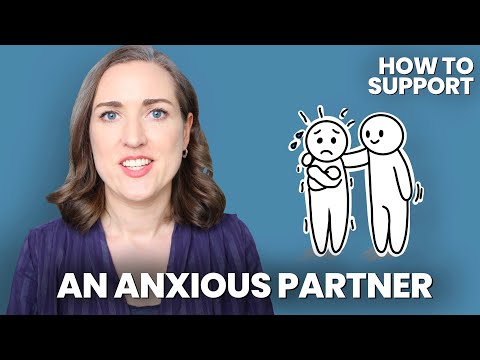
So, let’s talk about relationships and anxiety. Yeah, those two can really stir the pot, huh? You might find yourself feeling super clingy or always worried about your partner’s feelings. It’s like you’re on this emotional rollercoaster that never seems to stop.
It all comes down to something called anxious attachment theory. Sounds fancy, but hang with me! Basically, it explains why some of us get a bit more anxious when it comes to love and connection. Like, do you constantly seek reassurance? Or maybe you panic when your loved one is a little distant?
I mean, we’ve all been there. One minute you’re feeling all warm and fuzzy about someone, and the next you’re in full-on «what did I do wrong?» mode. It’s exhausting! But guess what? Understanding this stuff can totally help you navigate those tricky waters of relationships without losing your mind or feeling alone.
Ready to dig in? Let’s figure out how anxious attachment shows up in dating and friendships—because trust me, you’re definitely not the only one dealing with this!
Understanding Anxious Attachment: Tips for Building Healthy Relationships
So, let’s talk about anxious attachment. It’s a big deal when it comes to relationships, and understanding it can really help you build healthier connections. You see, people with this attachment style often feel insecure about their relationships. It’s like they’ve got a little alarm going off inside their heads whenever things get intense or even when there’s just a hint of distance in the air.
What is Anxious Attachment?
Well, anxious attachment generally stems from early relationships with caregivers who might’ve been inconsistent—sometimes loving and nurturing, other times distant or unresponsive. Because of this, you start to believe that love is unpredictable. So your brain gets trained to constantly seek reassurance and validation from your partners.
You might find yourself feeling overly worried about how they feel about you or fearing that they could leave at any moment. It’s tough! You know those moments when your heart races because your partner took too long to reply to a text? Yeah, that’s just part of living with anxious attachment.
Building Healthy Relationships
There are definitely ways you can navigate these feelings and build healthier relationships:
- Recognize Your Patterns: Pay attention to how you react in situations that trigger your anxiety. Are you quick to assume the worst? Awareness is key.
- Communicate Openly: Don’t keep those feelings bottled up! Let your partner know what you’re experiencing. When I was struggling with this myself, sharing my worries opened doors for understanding.
- Practice Self-Soothing: Find techniques that help calm you down—deep breathing, meditation, or journaling can be lifesavers when anxiety kicks in.
- Avoid Clinginess: Take a step back if you feel the urge to cling on too tightly. It’s okay to give each other space; trust me on this one!
- Cultivate Independence: Engage in hobbies and interests outside of the relationship. This not only boosts your self-esteem but also takes some pressure off both of you.
You know what else helps? Building trust over time. One of my friends struggled with anxious attachment in her relationships until she found a partner who was patient and consistent—like a rock during storms! With time, as she learned to trust him more, her anxiety began to fade.
The Role of Therapy
If things feel overwhelming or really hard to manage on your own, talking to a therapist can be super beneficial. They can help dissect those old patterns and guide you toward healthier ones.
Remember: building healthy relationships takes time and effort—from both sides! With patience and understanding towards yourself (and from your partner), navigating through anxious attachment can lead to more fulfilling connections that make you feel secure instead of scared. So hang in there—you’ve got this!
Understanding Anxious Attachment in Children: Tips for Navigating Relationships
Understanding anxious attachment in children can feel like a complex puzzle. When you think about how kids create bonds, anxious attachment is one piece that often gets overlooked. So, what exactly is it? Well, kids with an anxious attachment style often feel insecure about their relationships. They might worry that their parents or caregivers won’t always be there for them. This worry can bubble up in all kinds of ways, like being clingy or showing intense fear of separation.
Anxious attachment usually stems from inconsistent caregiving during childhood. Imagine a child who never knows if they’ll get attention when they need it. Sometimes mom or dad is attentive and loving, but other times they’re distracted or unavailable. It can leave the kid feeling unsettled and unsure about whether their needs will be met.
Here are some signs you might notice in kids with this type of attachment:
- Clinginess: They may have a hard time letting go when it’s time to separate from a caregiver.
- Fear of abandonment: They might freak out at the thought of someone leaving them.
- Difficulty calming down: Even small disappointments can send them into a full meltdown.
Real-life situations can make these feelings even stronger. For example, let’s say your child had a rough day at school because their best friend was absent. Instead of just feeling sad about it, they may spiral into anxiety about the friendship itself – worried the friend might not like them anymore or might leave them behind altogether.
Now let’s talk about relationships! Kids with anxious attachments often struggle to build trust in friendships and with caregivers too. It’s like they’re always on high alert for signs that someone might leave or let them down.
So how do you help navigate these tricky waters? Here are some practical strategies:
- Consistent availability: Try to respond to your child’s needs consistently. Being reliable helps them feel secure.
- Create routines: Having predictable schedules can reassure them that things will remain stable.
- Talk about feelings: Encourage open conversations about emotions so they know it’s okay to express what they’re feeling.
When you actively listen and validate those emotions, it builds trust between you and your child.
Modeling healthy relationships yourself also plays a big role here! Kids learn from watching how you interact with others—like how you handle disappointment or resolve conflicts with friends and family.
One thing worth remembering is that anxious attachment isn’t set in stone. With patience and understanding, kids can learn to form secure attachments over time! Sure, it takes effort, but the rewards are totally worth it.
So really, understanding anxious attachment means being ready to listen and support—to meet your child where they’re at while guiding them toward healthier ways of relating to others. It’s not just about fixing problems; it’s all part of building a strong emotional foundation for life ahead!
Effective Strategies for Navigating a Relationship with an Anxiously Attached Partner
Sometimes, being in a relationship with someone who has an anxious attachment style can feel like you’re walking on eggshells. You might notice they crave reassurance and could be overly sensitive to any signals that might indicate you’re pulling away. It’s not that they’re trying to be difficult; it’s just how their emotional wiring is set up.
So, how do you navigate this? Here are some effective strategies:
And remember, empathy is not about fixing the problem—it’s about understanding where they’re coming from without belittling their experience.
Sometimes conflicts will arise; nobody’s perfect! The key here is not to take it personally when tensions flare up. Instead of reacting defensively when your partner spirals into worry or doubt, try taking a breath and responding with patience.
You know those moments when everything feels tense? Try grounding techniques together—like deep breathing—to help ease anxiety in real-time.
In summary, dealing with someone who has an anxious attachment style often requires extra sensitivity and patience from both partners involved. By being consistent, communicating openly, offering reassurance without flooding them with it, encouraging independence while validating their feelings during tough times—you’re not just helping your partner feel more secure; you’re also strengthening your bond overall!
You know, relationships can be super tricky sometimes, right? Especially when you throw in something like anxious attachment theory. Basically, this is a way to understand how people relate to others based on their early experiences with caregivers. If you have an anxious attachment style, things can get a bit whirlwind-y.
I remember a friend of mine who always seemed to panic whenever her partner didn’t text back right away. She’d check her phone constantly, feeling that tight knot in her stomach. Like, what was he thinking? Was he losing interest? It’s tough because in those moments, it really felt like she was spiraling into this black hole of worry.
So, what’s the deal with anxious attachment? Well, it often comes from inconsistent responses from caregivers. You might get loads of affection one day and then barely any the next. That creates this deep-rooted belief that love is unpredictable and can feel really unreliable—like standing on shaky ground.
In relationships, this can manifest as clinginess or an overwhelming need for reassurance. You might find yourself seeking out constant validation from your partner or interpreting their behavior through a pretty anxious lens. I mean, if your partner doesn’t want to hang out one night—you may interpret it as them pulling away or not caring enough.
But here’s the thing: understanding where these feelings come from can be such a game changer. It helps if you recognize why you’re feeling insecure instead of just internalizing it as something wrong with you or your relationship. That awareness is like flipping on a light switch in a dark room—suddenly everything seems clearer!
Talking things out with your partner about your feelings can be super helpful too—no one wants to feel misunderstood! Just sharing what you’re experiencing and asking for their support can go a long way.
Navigating relationships with anxious attachment isn’t easy, but it’s so possible to find that balance between giving yourself the love and reassurance you need while also trusting your partner. It’s all about building that foundation together—a little trust goes a long way!