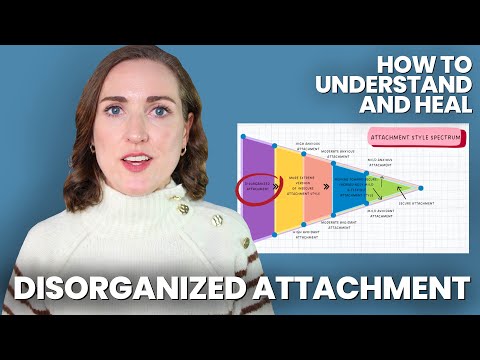
You know those moments when you’re really into someone, but then your heart starts racing and you freak out a bit? Yeah, that’s a vibe many of us know too well.
It’s like this push-pull dance. You want closeness but also feel this urge to run away. The thing is, it’s not just you. This whole anxious-avoidant attachment style has its grips on a lot of relationships.
I remember chatting with my friend Sarah about her last relationship. She was totally into him but would textbook pull back whenever things got serious. Sound familiar?
So, what’s going on here? We’ll dig into that—no textbook jargon, just real talk about navigating the twists and turns of these attachment styles in your relationships. Hang tight!
Effective Strategies for Navigating Anxious-Avoidant Relationships
Navigating relationships can get tricky, especially when one partner has an anxious attachment style and the other is avoidant. It’s like trying to dance with someone who’s stepping on your toes while also backing away at the same time. But don’t worry, there are ways to make this dance a little smoother.
Understanding Attachment Styles is the first step. Anxious folks often crave closeness, reassurance, and emotional connection. On the flip side, those with an avoidant style tend to pull away when things get too intense. They might feel overwhelmed by their partner’s need for intimacy and back off, leading to confusion and frustration.
So, how do you manage this? Here are some strategies that can help:
- Communicate Openly: Talk about your feelings honestly. Anxious partners should share their needs without fear; avoidants should express their feelings about space and closeness too.
- Set Boundaries: This one’s big! Both partners need clear boundaries that respect each other’s needs for space and affection. It’s okay to take a step back sometimes.
- Practice Patience: Change doesn’t happen overnight. Give each other grace as you navigate these patterns. It might take time to find what works for both.
- Avoid Blame: Instead of pointing fingers when things get tough, focus on finding solutions together. Blame can make either partner shut down more.
- Seek Professional Help: Sometimes an outside perspective helps a lot! Couples therapy can be a safe space to explore these dynamics with guidance.
Consider this scenario: Imagine you’re in a relationship where every time you express your need for closeness, your partner seems to pull away even more. You start feeling anxious and think maybe it’s something about you. This cycle continues—your attempts at connection lead to their withdrawal, which makes you feel even more anxious.
Instead of blaming yourself or your partner in moments like these, focus on understanding what’s happening emotionally. Recognizing that both attachment styles are valid and come from different places can help defuse tension.
Create Safe Spaces. It’s crucial for both partners to feel secure expressing themselves without judgment or fear of rejection. Maybe set aside regular «check-in» times where both can share feelings openly without interruptions.
Also, blend in some fun! In all this serious stuff, don’t forget about laughter and enjoyment together—shared activities can foster connection in light-hearted ways.
In short, navigating anxious-avoidant relationships isn’t easy but it’s definitely doable with some commitment from both sides. With empathy and understanding as your tools, you’ll find pathways that honor each person’s needs while building stronger connections over time!
Recognizing the 6 Signs You’re Stuck in the Anxious-Avoidant Trap
If you’ve ever felt like you’re in this weird cycle of wanting closeness but then, like, totally pulling away when someone gets too close, you might be caught in what’s called the anxious-avoidant trap. This happens in relationships where one person has an anxious attachment style and the other has an avoidant style. It can lead to some serious emotional roller coasters! So, let’s break it down a bit.
First off, it helps to recognize some signs that you’re stuck in this trap. Here are a few key ones:
- Intense Push-Pull Dynamic: You may feel drawn to your partner one moment and then overwhelmed the next. This back-and-forth can lead to feelings of confusion and frustration.
- Mismatched Needs: Anxious partners crave reassurance and connection while avoidant partners need space. When these needs clash, things can get messy quickly.
- Irrational Fears: You might find yourself fearing abandonment or feeling trapped at the same time. Like seriously, how confusing is that?
- Emotional Dysregulation: Feelings become intense—one minute you’re happy, and the next you’re angry or sad. You might not even know why!
- Avoidance of Conflict: Instead of addressing issues head-on, both partners might sweep problems under the rug, which can make things worse over time.
- Cyclical Patterns: Do you notice repeating patterns where things go great for a while only to crash later? That’s a classic sign of being stuck!
You know, it’s not just about recognizing these signs but also knowing that change is possible. I once knew someone who felt suffocated by their partner’s neediness yet couldn’t help but want them close when they were apart. It was like being on a merry-go-round with no way off! Eventually, they sought therapy together and learned healthier ways to communicate their needs. They started making progress by understanding each other’s triggers and fears.
If this resonates with you or sounds familiar in your relationships, consider talking about it with someone who understands attachment styles—like a therapist or counselor. Breaking free from this trap takes work but it’s definitely achievable!
Understanding the Anxious-Avoidant Relationship Dynamic: Insights for Healthier Connections
The anxious-avoidant relationship dynamic can feel like a rollercoaster, and let me tell you, it’s not always a fun ride. You’ve got one partner feeling all the feels and craving closeness, while the other is all about keeping their distance. So, what does this look like? It’s actually pretty common.
When you have an anxious attachment style, you tend to worry about your partner’s love and commitment. You might find yourself needing constant reassurance. It’s like you’re always on high alert, thinking, “Are they still into me?” This can lead to some intense emotional ups and downs.
On the flip side, someone with an avoidant attachment style often feels overwhelmed by intimacy. They want their space and might even pull away when things get too close for comfort. Ever been in a situation where one person is texting non-stop while the other barely replies? Yup, that’s part of the dance between these attachment styles.
Now picture this: you’re in a relationship where you’re texting your partner because you really miss them, but they take forever to respond—leaving you feeling anxious and ignored. Then when they finally do reply, it’s short and maybe a little cold. Suddenly you’re spiraling into thoughts like, “What did I say wrong?” or “Do they even care?” It’s exhausting!
Communication here is key. If both partners sit down and openly talk about their feelings (instead of waiting for the perfect moment that may never come), it can change everything. That way, the anxious person gets some reassurance while the avoidant person doesn’t feel cornered or judged.
Here are some insights for healthier connections:
Remember that it takes work from both sides to navigate this dynamic successfully! If you find yourself caught in these patterns time after time, consider reaching out for help—talking with someone who gets attachment theory can really shift how you see things.
In short, understanding each other is vital if you want to break free from this emotionally charged cycle. After all, we all crave connection—but we also need our personal space sometimes! Just know that with patience and effort on both ends, healthier relationships are absolutely within reach.
So, let’s talk about this thing called anxious avoidant attachment style. It’s one of those phrases that sound super technical, but really, it just describes how people relate to each other in relationships. If you’ve ever felt caught between wanting closeness and pushing someone away, you might resonate with this.
I remember a friend of mine, Sarah, who was always in these on-again, off-again relationships. One minute she’d be texting about how much she liked a guy, and the next? She’d ghost him for days. It wasn’t because she didn’t care; it was like she was overwhelmed by her own feelings. You see, people with an anxious avoidant style often struggle with intimacy. They want connection but also fear it at the same time. It’s pretty confusing—and exhausting.
When you have this attachment style, you’re probably familiar with that push-pull dynamic. You might crave love and closeness but then panic when things get too real or too intense. It’s like standing on the edge of a pool—you want to dive in but can’t shake off that fear of how cold it might be once you jump.
In relationships, this can lead to misunderstandings. Your partner could be left feeling rejected or confused while you’re wrestling with your own emotions. Communication can get tricky! Talking openly about feelings feels risky so you might just shut down instead.
But here’s the thing: realizing you’ve got an anxious avoidant attachment style is actually the first step towards understanding yourself better and improving your relationships. It takes work—like really digging into what makes you react a certain way—but it’s possible to build healthier connections.
Think about starting small: maybe share your thoughts honestly when they come up rather than bottling them up until they explode into awkward silence or arguments later on. Trust me; there’s something liberating about finally saying what you feel rather than keeping everything in your head.
And most importantly? Remember that it’s okay to take things at your own pace. Relationships aren’t a race—they’re more like wandering through a maze together and figuring out which turns make sense as you go along.
So if that anxious avoidant dance sounds familiar to you? Don’t stress too much! You’re not alone in this journey of navigating those tricky waters of love and connection—many people are out there trying to figure it all out too!