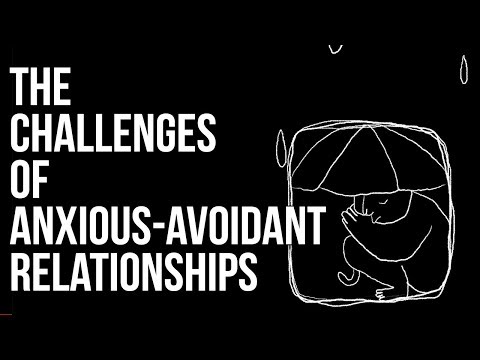
You know that feeling when you’re scrolling through a forum, and everyone seems so connected? It’s like you’re in a room full of friends, but somehow, you still feel alone.
Yeah, I get it. That’s the thing with anxious-avoidant attachment. It can totally mess with how we interact online. You might want to reach out, but then panic sets in.
Maybe you’ve been there? You type a message, then delete it like eight times before giving up. Or maybe you find yourself overthinking every reply and wondering if you even belong.
But here’s the deal: it doesn’t have to be this way! Let’s chat about how to navigate those tricky waters in online spaces. Trust me; there are ways to connect without feeling like you’re about to dive off a cliff!
Understanding Avoidant Attachment Style: Key Traits and Strategies for Growth
Understanding avoidant attachment style can be a real game-changer, especially when you’re navigating connections in online communities. So, what are we talking about here? Well, it all boils down to how you relate to others and form emotional bonds.
If you have an avoidant attachment style, you might notice some key traits in yourself:
- Emotional Distance: You often keep people at arm’s length. Intimacy can feel overwhelming.
- Independence: You highly value self-sufficiency and may reject help or support from others.
- Avoidance of Conflict: When things get too heated emotionally, you might just shut down or back away.
- Difficulties in Expressing Feelings: Talking about your emotions is not your strong suit. You might even feel uncomfortable with it.
Let’s say you’re in an online group chat. Maybe a conversation starts getting personal or someone asks how you’re feeling about a situation. Your instinct could be to change the topic or just go quiet for a bit. It’s like there’s this internal alarm ringing the moment someone gets too close.
Now, I know this might sound frustrating—because who doesn’t want connection? But avoiding closeness often comes from early experiences that taught you that love meant pain or rejection. This makes stepping into vulnerability really tough!
But hey! All is not lost. There are strategies for growth if you’re looking to foster healthier connections:
- Self-Reflection: Spend some time thinking about your feelings and why you react the way you do in emotional situations. Journaling can help.
- Practice Vulnerability: Start small by sharing little things about yourself with others online. Maybe it’s a goofy story or how your day went.
- Seek Feedback: Sometimes asking friends how they perceive your behavior can give insight into patterns you’re not aware of.
- Create Boundaries: While working on intimacy, it’s also important to set healthy limits on what feels comfortable for you.
You might want to start engaging more actively online by posting comments or sharing experiences without diving too deep right away—just baby steps.
And let’s be real: sometimes connecting with others just feels plain scary! Think back to a time when someone opened up and made themselves vulnerable around you—it probably changed the dynamic between you two for the better, didn’t it? It builds trust.
Although navigating relationships online as someone with an avoidant attachment style takes effort, remember that it’s totally possible to grow and create more meaningful interactions over time. You’re not alone in this journey; many folks share similar struggles! So take heart—you’ve got this!
Understanding Anxious Attachment Style: Key Traits, Causes, and Healing Strategies
Anxious attachment style can really shake up how you relate to others, especially in online communities. If you’ve ever felt like you’re always waiting for a message back or obsessing over what someone’s response means, you might be dealing with this kind of attachment. It’s not just about relationships; it spreads into your social interactions online too.
Key Traits of anxious attachment often include:
These traits can make navigating online spaces tricky. You might find yourself reading too much into someone’s lack of replies, or feeling more hurt when they don’t engage as much as you’d like.
So why does this happen? Well, the causes of anxious attachment typically lie in early relationships. If caregivers were inconsistent with their love and attention, it created a sense of uncertainty. Think about it: if a parent was sometimes warm and sometimes distant, that can lead you to feel like you have to work hard for love. You know? It sticks with you.
Moving on to healing strategies. There are ways to work through these feelings and find more balance in your relationships:
Now, imagine being part of an online group where everyone shares their thoughts freely, but you’re constantly second-guessing whether they actually want you there because no one responds instantly. It’s exhausting! But hey, acknowledging that you’re feeling anxious is the first step towards changing that pattern.
Social media can magnify those feelings—a “seen” but no reply message can send anyone into a spiral! That’s why practicing mindfulness is super helpful here—you coach yourself to stay present instead of spiraling down the rabbit hole.
Over time, learning how to manage an anxious attachment style can open doors not only in personal relationships but also in how you interact within those online communities you’re so invested in. It takes time and patience, but hey—confidence feels good!
Understanding Attachment Styles: How They Shape Relationships and Impact Mental Health
Understanding Attachment Styles can feel like peeling back layers of a complex onion, especially when you consider how they shape relationships and impact mental health. Basically, attachment styles come from the bonds we form with our caregivers as kids. These early interactions set the stage for how we connect with others later in life. There are four main styles: secure, anxious, avoidant, and disorganized. Let’s look at how those affect adult relationships.
When you think about anxious attachment, it’s all about that sense of uncertainty, right? People with this style often crave closeness but also worry about being rejected or abandoned. They might find themselves constantly seeking reassurance from partners or friends. This can lead to a lot of emotional ups and downs; one moment everything feels great, and the next, they’re spiraling into doubt.
On the flip side is the avoidant attachment. Those folks tend to keep others at arm’s length—even when they’re really longing for connection. They might value independence so much that they struggle to share feelings or depend on someone else. So their relationships might feel pretty one-sided or surface-level. If you’ve ever felt like your partner has trouble opening up or pulls away during tough times, you might be dealing with someone who has this style.
Now here’s where it gets real interesting: when these two styles collide in relationships, it creates what we call a pursuer-distancer dynamic. Picture this: the anxious person is reaching out for more closeness while the avoidant person retreats. This can create an emotional tug-of-war that leaves both people feeling frustrated and misunderstood.
Online communities are a whole different ball game too! With things going digital these days, many people are navigating their attachment styles in virtual spaces instead of face-to-face interactions. An anxious person might flood chat rooms with messages looking for connection while an avoidant member could go MIA after a few exchanges.
What happens then? Well, online platforms can sometimes amplify those feelings of anxiety and avoidance because you don’t have to deal with the immediate social cues that come with in-person conversations—like body language or tone of voice. You miss those little signals that say “Hey, I’m interested!” which can send someone with an anxious attachment spiraling into overthinking every word exchanged.
People often wonder if understanding these patterns can help improve their mental health—and honestly? Yes! Acknowledging your own attachment style is crucial for personal growth and healthier connections. It can help you recognize why certain situations trigger specific reactions in you or your partner.
So if you’re part of an online community and find yourself struggling with these dynamics—or even just looking for deeper connections—take time to reflect on your own attachment style:
- Acknowledge your feelings: Recognize when you’re feeling anxious or want space.
- Communicate openly: Express what you’re comfortable with in conversations.
- Practice self-soothing: Find ways to calm yourself without relying on others.
- Set boundaries: Know what feels good for you; it’s okay to take breaks!
In short, understanding attachment styles gives you valuable insights into how you relate to others—not just romantically but also platonically—in online spaces and beyond. Plus, knowing this stuff helps build stronger connections while fostering better mental health all around!
So, let’s chat about this whole anxious-avoidant attachment thing, especially in the context of online communities. You know how it is—people are all over social media, forums, and those gaming chats. It can feel like a huge crowd sometimes. It’s kind of a double-edged sword, right? On one hand, you’ve got this great way to connect with others; on the other hand, it can bring up a whole mess of feelings if you’re wrestling with anxious-avoidant attachment.
Picture this: you’re scrolling through an online group that’s totally your jam—let’s say it’s about a favorite TV show or a hobby you love. At first, you’re excited! You dive into conversations and share your thoughts. But then something shifts. Maybe someone doesn’t respond to your comment, or your post doesn’t get as much attention as you’d hoped. Suddenly, that initial thrill turns into anxiety. “What did I say wrong?” “Do they not like me?” It can be exhausting.
When you’re dealing with an anxious-avoidant attachment style, those ups and downs can feel even more intense. You might crave connection but also panic at the thought of being too vulnerable or getting hurt. So what do you do? Back off from the group entirely? Ghost everyone? Or maybe just lurk and observe instead of participating? Yeah, I’ve been there.
On top of that, online interactions lack those non-verbal cues we rely on in face-to-face situations. It can be tough to gauge someone’s emotions through a screen! This uncertainty can reinforce those anxious feelings—like wondering if someone’s mad at you because they left you on read for three days (ugh!). But here’s where it gets interesting: these online spaces are also filled with people who are likely feeling similar things.
Finding communities where people express their struggles openly can honestly be a game-changer. It gives you that little nudge to step out of your comfort zone and share what you’re really feeling. When someone else shares their story about feeling anxious in these spaces—boom! Suddenly it feels less lonely; you’re not alone in this weird journey.
So yeah, navigating relationships in online communities when dealing with anxious-avoidant attachment isn’t always easy. But it’s so important to remind yourself that vulnerability often leads to deeper connections—even if it feels scary at first! And if things do get overwhelming? It’s totally okay to take breaks or reach out for support elsewhere too.
In the end, it’s all about finding that balance between wanting connection and knowing when to give yourself some space—all while remembering that we’re all just human beings trying to figure things out together…even if we’re doing it from behind a screen!