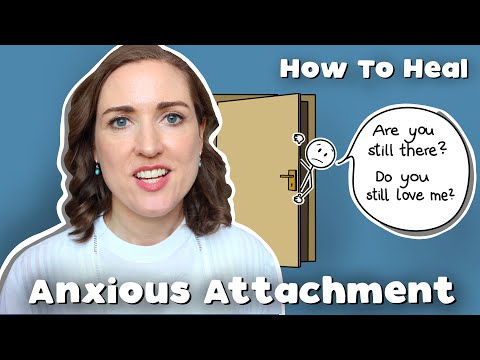
Okay, so let’s chat about attachment styles. You know, that whole thing where how we connect with others kinda shapes our relationships?
It’s like some of us get all cozy and secure, while others might freak out a bit when it comes to closeness. And then there are those who just sort of dodge intimacy altogether. Crazy, right?
If you’ve ever felt a bit lost in your relationships or wondered why things got messy sometimes, this is for you. Seriously.
Understanding whether you lean towards anxious, avoidant, or secure can totally change how you see yourself and those around you.
So grab a cup of coffee or your fave snack and let’s dive into this together!
Understanding Anxious, Avoidant, and Secure Attachment Styles in Children: A Guide for Parents
Understanding attachment styles in children is a big deal, especially for parents. These styles shape how kids relate to others and how they feel about themselves. Let’s break down the three main types: anxious, avoidant, and secure attachment.
Anxious Attachment happens when kids often worry that their caregivers won’t be there for them. They might cling to parents and get upset when they leave. Imagine a child who throws a tantrum at daycare because they’re scared mom won’t come back. This constant need for reassurance can be exhausting for both the kid and the parent.
Parents of an anxious child might notice that their little one seeks attention constantly. They may feel like they have to tiptoe around their child’s emotions, trying to keep them calm. But the more they try to soothe these worries, sometimes it can make things worse, you know? It’s like trying to chase a shadow—you think you got it, but it keeps slipping away.
Now let’s talk about Avoidant Attachment. Children with this style often keep their distance from caregivers. They typically don’t seek comfort when they’re hurt or upset; instead, they act as if nothing bothers them. Picture a kid who falls down but shakes it off without asking for help or even showing any sign of being upset—like a little superhero!
Typically, this happens when parents are emotionally unavailable or dismissive of feelings. If parents don’t respond to their child’s needs consistently, over time, the child learns not to rely on anyone else. So these kids end up enjoying independence more than connection sometimes which is cool but can lead to loneliness in the long run.
Then there’s Secure Attachment, which is what every parent hopes for! Kids with this style feel safe and loved; they’re comfortable exploring their world while knowing their caregiver has their back. When something scary happens—a loud noise or meeting new friends—they know they can go back for support.
These kids usually grow up feeling good about themselves and develop healthy relationships later in life too! They trust others because they’ve learned through consistent love and care that it’s okay to lean on someone else when times get tough.
So how do you help your kid develop healthy attachment styles? Here are some thoughts:
- Be Consistent: Kids need reliability! If you promise something, try your best to follow through.
- Stay Emotionally Available: Listen to your child’s feelings without judgment; show empathy.
- Create Safe Spaces: Encourage kids to talk about their fears or worries openly.
- Model Healthy Relationships: Show them what good friendships look like by demonstrating respect and support in your relationships.
Growing up isn’t easy; kids face all sorts of challenges that can impact how they connect with others. By understanding these attachment styles—anxious, avoidant, and secure—you’ll be better equipped to guide your child towards healthy emotional development. Remember: it takes time! Just keep showing love and patience along the way.
Navigating Love: Tips for Making Anxious-Avoidant Relationships Thrive
Navigating love can be a real rollercoaster, especially when you’re dealing with anxious and avoidant attachment styles. So, let’s break it down, alright?
An anxious attachment style often means you crave closeness and reassurance. You might feel like you need constant validation from your partner. On the flip side, someone with an avoidant attachment style tends to keep a distance. They value their independence and may feel overwhelmed by too much intimacy. It’s like trying to fit a square peg in a round hole, but it can work if you know what to do.
First off, communication is key. You gotta express your needs without blame or pressure. For instance, if you’re feeling needy or insecure, telling your partner calmly can help them understand rather than react defensively. Let’s say you’re worried about them not texting back quickly—just share that concern openly instead of letting it fester.
Establish boundaries. It’s super important for both partners to understand each other’s limits and comfort zones. If you need more time alone because that helps recharge your battery or if they need space sometimes to process things, talking about these needs upfront creates a healthier dynamic.
Then there’s the idea of creating safety. Both styles can feel vulnerable in relationships—anxious folks might feel disregarded while avoidants might feel suffocated. You could set aside uninterrupted time together regularly where both of you can share feelings and concerns openly without fear of judgment.
Another tip? Focus on small steps toward intimacy. Instead of diving into deep emotional waters right away (which can freak out avoidants), start with lighter moments like sharing hobbies or interests first. This way, avoidants don’t feel overwhelmed while anxious types still get to connect.
Don’t forget about practicing patience! Change takes time; it’s not an overnight fix. Maybe after a month or two of working on communication and establishing boundaries, you’ll begin noticing positive shifts within your relationship.
Lastly, try fostering emotional regulation skills. When those anxious feelings hit—like what if they don’t love me as much?—try grounding techniques like deep breathing or even mindfulness exercises. These tools can keep you from spiraling when insecurities pop up.
Navigating these differences is challenging but totally doable! Remember: Love is messy and complicated but when both partners are willing to lean into their discomfort together? That’s when the real magic happens! So take it slow and be kind to yourselves during this journey together.
Understanding the Anxious-Avoidant Relationship Dynamic: Navigating Emotional Connections
The anxious-avoidant relationship dynamic can be super tricky to navigate. You might find yourself feeling torn between wanting closeness and fearing it at the same time, which can create a rollercoaster of emotions.
People with an **anxious attachment style** often crave intimacy and reassurance. They worry about their partner’s availability and may even fear abandonment. On the flip side, those with an **avoidant attachment style** tend to prioritize independence and often feel suffocated by too much closeness. This push-and-pull can lead to misunderstandings, frustration, and intense emotional experiences.
Let’s break this down:
Anxious partners:
Avoidant partners:
Imagine two friends: one always checks in, sending texts that say things like “Are you mad at me?” The other starts feeling overwhelmed by those messages, thinking, “Why can’t they just chill?” This misunderstanding can create tension because both are trying to fulfill their needs but end up feeling frustrated instead.
In many cases, these dynamics are rooted in early experiences with caregivers. If a child experienced inconsistent care—sometimes receiving love and attention but other times being ignored—they might develop an anxious attachment when they grow up. Conversely, if a caregiver was emotionally distant or overly focused on independence, that could lead to the avoidant style.
Navigating this dynamic isn’t impossible—it just takes some effort from both partners. Here are some approaches that can help:
Communication: Clear, honest talk is key. It’s crucial for both partners to express their feelings without accusing or blaming each other.
Understanding triggers: Recognizing what sets off those anxious feelings or the urge to withdraw can help both partners respond more compassionately.
Create safety: Establishing safe spaces for vulnerability without judgment allows both partners to explore their feelings.
It’s also helpful for anxious individuals to practice self-soothing techniques when they start feeling overwhelmed while avoidant folks could work on being more open about their needs.
Finding the balance between connection and independence is possible! While it won’t happen overnight, with patience and understanding, it’s totally achievable. Being aware of these styles provides you valuable insight into your relationships and helps you cultivate healthier connections moving forward.
You know, when it comes to relationships, the way we connect with others really hinges on our attachment styles. It’s kinda fascinating how these patterns shape our interactions. Let’s dig into the anxious, avoidant, and secure styles.
Picture this: you’re in a relationship, and your partner seems all in one moment but then suddenly pulls back. That’s like classic anxious-avoidant dynamics at play. The anxious person craves connection and reassurance, while the avoidant one retreats when things get too close. It can feel like this emotional tug-of-war where both are trying to get their needs met but just end up feeling confused and hurt.
I remember talking to a friend who was dating someone with an avoidant style. She was always worried he didn’t care enough because he’d ghost her during stressful times or be super hot and cold. Then the moment they actually talked about it, she realized he did care but just had a tough time with closeness. That lightbulb moment? Priceless.
Now, let’s swing over to secure attachment styles. Those folks seem to have it figured out! They communicate openly and feel comfortable with intimacy without freaking out or shutting down when things get too close for comfort. Imagine they’re like that calm anchor in stormy waters—solid and reassuring.
But here’s the kicker: different styles can totally work together if both parties are willing to put in some effort. The anxious partner can practice giving space when needed (which is super hard!), while the avoidant one might work on being more open about their feelings and needs—even if it feels scary at first.
Honestly? Navigating these attachment styles can be tricky—but also super enlightening! Understanding where you stand—and where your partner stands—can pave the way for healthier communication and even strengthen your bond over time.
So next time you find yourself entangled in a relationship dynamic that feels off, just remember there are patterns at play, shaped by past experiences we might not even be aware of. But knowing is half the battle! It’s all about learning from what’s happening right now so you can build something better tomorrow!