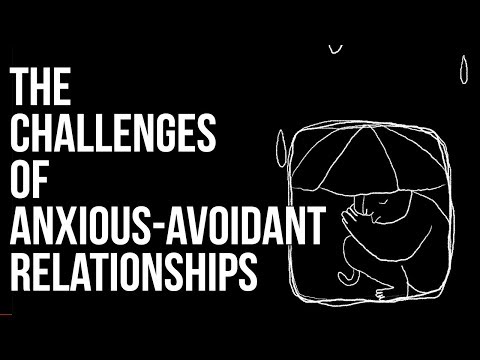
Have you ever felt like you’re walking on eggshells around someone?
Like, one minute they’re super close, and the next, they’re pulling away?
That’s the classic vibe when dealing with anxious avoidant folks.
It can be confusing, right? You want to connect, but they seem to dodge that intimacy like it’s a game of tag.
Trust me, you’re not alone if you’ve found yourself scratching your head over it.
Understanding how they tick can totally change the whole dynamic.
So, let’s chat about navigating these relationships without losing your mind!
Navigating Love: Building Healthy Relationships with Anxious and Avoidant Partners
Navigating love can feel like a rollercoaster ride, especially when you’re dating someone who’s anxious or avoidant. These two attachment styles often clash, which can make communication and understanding tricky. Let’s break this down a bit.
When you’re with an anxious partner, they might come off as clingy or overly sensitive to your actions. You know how sometimes it feels like every little thing you do might send them into a spiral? That’s the anxiety talking. It’s not that they want to be needy; they just fear abandonment and value reassurance.
On the flip side, you have avoidant partners. These folks tend to keep their distance emotionally. They might love you but feel overwhelmed by closeness. So, if you’re thinking of planning that cozy movie night but they suddenly want to “hang out with friends” instead, it might be because they’re feeling pushed too close to the emotional edge.
Understanding these dynamics is crucial for harmony in your relationship. Here are some things to keep in mind:
- Communicate openly. Talk about your feelings without blame or judgment. Express what you need while being receptive to their needs too.
- Set boundaries. For anxious partners, clarity on what’s acceptable and what’s not can help ease their worries. With avoidants, giving them space can prevent them from retreating further.
- Recognize triggers. Notice patterns. If your anxious partner gets jittery when plans change last minute, try to give them a heads-up when possible.
- Create a safe environment. Make sure both of you feel secure enough to share vulnerabilities without fear of judgment or retaliation.
- Tackle issues together. Relationship problems should be solved together rather than as an “us vs. them” scenario. Teamwork makes the dream work!
Let me tell ya—a friend of mine was in a relationship where one partner was anxious and the other was avoidant. They struggled at first but eventually found common ground by just talking about their feelings more openly. It took effort, don’t get me wrong! But sharing their fears created more understanding between them.
Also, remember that therapy can be a great tool for both partners—individually or together—to work through these challenges if things get too complicated on your own.
Building healthy relationships with anxious and avoidant partners involves patience, empathy, and sometimes even compromise from both ends. Keeping those lines of communication open will help you navigate those twists and turns much better!
Navigating Love: Strategies for Managing Anxious and Avoidant Attachment Styles in Relationships
Let’s be real for a second. Love can be like a roller coaster, especially when you’re dealing with different attachment styles. You’ve got the anxious types, who might cling tightly and worry about everything, and the avoidant folks, who can sometimes feel overwhelmed by intimacy and might pull back. When these two styles collide in a relationship, well, it can lead to some serious drama.
Anxious attachment style is often born from experiences in childhood where love felt inconsistent. Maybe your parents were loving but also unpredictable. So now you find yourself seeking reassurance constantly, fearing abandonment at every turn. For instance, you might send multiple texts to your partner just to check if they’re still interested or available.
On the flip side, we have the avoidant attachment style. This often develops from experiences where emotional needs weren’t met adequately in childhood. These people tend to value independence so much that any hint of too much closeness makes them want to retreat. They might ghost or become distant when things get too intense emotionally.
Navigating love between these two styles can really be a challenge. Here are some strategies that could help:
- Communicate openly: Seriously, talk about what you’re feeling! If you’re anxious, tell your partner how their behavior affects you without blaming them.
- Set boundaries: Both sides need to know where each other stands on intimacy levels. It helps to create safety.
- Practice reassurance: If you’re dating someone anxious, a simple “I’m here for you” can go a long way. For avoidants, expressing respect for their space helps alleviate pressure.
- Acknowledge triggers: Be aware of what gets each other riled up—maybe it’s sudden plans or lack of communication—and work together on those touchy spots.
Real-life example: Picture Sarah and Mike. Sarah has an anxious attachment style; she worries every time Mike doesn’t text back quickly. Mike tends to withdraw when he feels overwhelmed by her neediness because he’s more avoidant in nature. After some miscommunication and hurt feelings, they sit down for an honest chat about their triggers and needs. Sarah learns to trust Mike’s love without needing constant validation, while Mike realizes he doesn’t have to shut down; he can take time out but still share his feelings.
Another key point is practicing self-soothing techniques—this is essential for both styles! If anxiety creeps in for one person or fear kicks in for the other, finding ways to calm those feelings independently can help maintain balance within the relationship.
So remember that relationships are work; navigating with different attachment styles takes patience and understanding from both sides! You don’t have to change who you are; rather find ways together that make it feel safe enough for each other to grow emotionally while respecting those varied needs!
Navigating Love: Effective Strategies for Making Anxious-Avoidant Relationships Thrive
So, let’s talk about relationships involving anxious and avoidant folks. You know, it can feel like a rollercoaster at times. You’ve got one partner needing closeness and reassurance, while the other is more comfortable keeping a distance. It can get complicated, but there are ways to make it work.
Understanding Each Other
First off, it’s super important to understand where each of you is coming from. The anxious one often craves connection and may worry excessively about the relationship. Meanwhile, the avoidant partner values independence and might feel overwhelmed by too much closeness. Ain’t that a mix?
Open Communication
Talk openly about your feelings! Seriously, it’s all about sharing what you need without sounding accusatory. For instance, if you’re feeling neglected, instead of saying “You never want to be close,” try “I feel lonely when we don’t spend quality time together.” See how that shifts the tone?
Create Safe Spaces
Avoidants can sometimes feel pressured when things get too heated or needy, so creating safe spaces for conversations is key. Maybe find a cozy coffee shop or just snuggle up at home with no distractions. This makes it easier for both partners to share their thoughts.
Pacing Matters
You’ve got to pace things out! Jumping in headfirst can send an avoidant partner running for the hills. So start small—like an extra date night or a few minutes of deep conversation every week before ramping up the intensity.
Acknowledge Triggers
This one’s crucial: recognize each other’s triggers! Anxious partners might get upset over minor issues that remind them of past rejections. Avoidants might shut down during conflicts out of fear of being overwhelmed. Knowing what sends you into a spiral helps prevent misunderstandings.
Set Boundaries Together
I know boundaries sound rigid, but they actually create freedom! Discuss what feels comfortable for both of you regarding time apart and togetherness. Maybe decide on a weekly check-in session where both sides can speak honestly without judgement.
Simplify Affection
If you’re feeling unsure about expressing affection—especially in an anxious-avoidant scenario—keep it simple! Little gestures like holding hands during casual outings or sending sweet texts throughout the day go a long way without being overbearing.
Coping Strategies
- If conflict arises, think about taking breaks if needed rather than diving into heated arguments.
- Create rituals like Sunday brunch or movie nights that reinforce your bond without pressure.
- If anxiety spikes or avoidance kicks in, try grounding techniques together; deep breathing works wonders!
Navigating these relationships takes work but trust me; it’s possible to make them thrive! Every couple is unique, but understanding each other’s needs—and finding common ground—can lead to stronger connections over time.
You know, relationships can be pretty tricky, especially when you’re dealing with someone who has an anxious-avoidant attachment style. So, here’s the thing: it’s like standing in a dance. Sometimes they want to pull you close, and other times it feels like they’re doing their best to push you away. It can leave you feeling a bit confused and, honestly, frustrated.
Imagine being on a date with someone who seems super interested at first—sharing laughs and stories. Then, outta nowhere, they suddenly go quiet or seem distant. You might think, “What did I say? Am I too much?” This back-and-forth can create a whirlwind of emotions. One minute, you’re connecting deeply; the next, it’s like there’s this invisible wall between you.
Now let me share a quick story. There was this friend of mine who dated someone just like that. They would go on these amazing weekend trips together; everything would feel perfect! But when Monday rolled around? Poof! My friend felt ghosted or overwhelmed trying to figure out what was happening. They felt highs so high and then lows that just sort of… knocked the wind out of them.
So what do you do in these situations? Communication is key—like seriously important—but it gets complicated when you’re dealing with someone who’s kind of programmed to avoid emotional intimacy. It’s not that they don’t care; it might be more about their own fears and past experiences that push them to keep their distance sometimes.
You’ve really gotta approach these conversations with empathy but also be honest about your feelings. Let them know when their actions are leaving you feeling anxious or alone—without putting them on the defensive. It requires patience because building trust takes time—more than we often wish for!
I guess, at the end of the day, navigating relationships with anxious-avoidant individuals means learning to balance connection with space—you know? You want to feel close but also respect their need for distance without taking it personally.
And hey! If nothing else works out and things start feeling too heavy emotionally for either side? It’s okay to step back and reevaluate if the relationship is serving both people well enough! Just remember: at least one person deserves safety in love—and that includes you too!