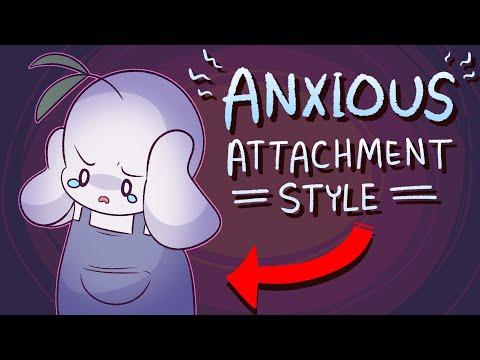
Relationships can be tricky, right? Like, one minute you’re feeling all warm and fuzzy, and the next, your stomach’s in knots. Ever find yourself second-guessing everything? Yeah, that’s a vibe.
It could be because of anxious disorganized attachment. Sounds heavy, but hang tight. It basically means that sometimes we crave connection but are scared to really open up.
Imagine liking someone so much but feeling like you’re gonna freak out if they get too close. That’s what it feels like! You want to be there, but your mind is like, “Run!”
So what do we do about it? Let’s dig into this together. You’ve got this!
Understanding Anxious Disorganized Attachment in Adult Relationships: Strategies for Healing and Growth
When you’re trying to make sense of relationships, and your heart feels like it’s on a rollercoaster ride, it might be linked to something called **anxious disorganized attachment**. This type of attachment is often rooted in early experiences with caregivers. You might’ve had moments where you felt loved one minute, then confused or abandoned the next. So, let’s break this down a bit more.
Anxious disorganized attachment often leads to mixed signals in relationships. You may find yourself desperately seeking closeness while simultaneously pushing your partner away out of fear. It’s like wanting a hug but feeling freaked out at the same time. I once knew someone who would text their partner all day, worried they wouldn’t respond, yet when they got a reply, they’d suddenly feel overwhelmed and cold.
So why does this happen? It’s often linked to inconsistent caregiving during childhood—like when your parent was nurturing one moment but emotionally unavailable the next. This unpredictability can make it hard for you to feel safe in adult relationships.
Recognizing the signs can be super helpful:
Now, let’s chat about some strategies for healing and growth because that’s what it’s all about, right?
First off, self-awareness is key. Start paying attention to your feelings and reactions in relationships. Journaling can help clarify those thoughts swirling around in your mind. For example, if you notice getting anxious when things seem too quiet with your partner, write it down! It helps bring some clarity.
Next up, developing emotional regulation skills is crucial. This means finding ways to manage those intense emotions instead of letting them control you. Deep breathing exercises or mindfulness techniques like meditation can be amazing tools here. Picture yourself in a serene place whenever that anxiety spikes—it might just work!
Also important is establishing boundaries. It’s okay to communicate what feels comfortable for you. If you need space or want to talk things out more openly during heated moments—speak up! Setting boundaries shows respect for both yourself and your partner.
Another thing—find supportive connections. Surround yourself with friends who understand where you’re coming from or even consider talking to a therapist who specializes in attachment styles. They can help guide you through this rocky terrain.
Lastly, practice patience with yourself; changes take time! Just like climbing a mountain—you won’t reach the top overnight. Celebrate small wins along the way because every step counts.
By working on these strategies, you’re not just helping yourself grow; you’re also paving the way for healthier relationships in the future!
Understanding Anxious Disorganized Attachment in Children: Building Healthier Relationships
Anxious disorganized attachment in children is a pretty complex thing, but let’s break it down. Children develop attachments to their caregivers, and how that goes can shape how they relate to others throughout their lives. With anxious disorganized attachment, these kids often feel confused about their relationships. They might want closeness but also feel scared or unsure at the same time.
What does this look like? Well, imagine a kid who runs up to their parent for a hug but then suddenly pulls away or starts crying. This push-pull behavior can leave both the child and the parent feeling lost. It’s kind of like being on a rollercoaster—exciting but also really unnerving.
Some of this stems from early experiences with caregivers who may have been inconsistent, either emotionally unavailable or frightening at times. This creates a sense of chaos in the child’s mind. They don’t know if they can trust that someone will be there for them when they need support.
Factors influencing anxious disorganized attachment:
- Inconsistent parenting: Sometimes nurturing, sometimes scary.
- Exposure to trauma: Could be anything from domestic violence to sudden loss.
- Lack of stability: Frequent changes in caregivers or living situations.
When children grow up with this kind of attachment style, it doesn’t just fade away when they hit adolescence—it sticks around into adulthood. You might notice behaviors like clinginess followed by withdrawal in relationships, which makes intimacy pretty tricky.
So how do you help kids develop healthier relationships? Well, that part is all about creating consistency and safety in their environment:
Steps to build healthier relationships:
- Be emotionally available: Listen and respond consistently to their needs.
- Create routines: A stable daily schedule can provide a sense of security.
- Encourage open communication: Let them express what they’re feeling without fear of judgment.
Imagine a little girl named Emma. When Emma feels upset or scared after a tough day at school, instead of hiding her feelings, her caregiver sits down with her and talks through those emotions. “It’s okay to feel sad sometimes,” they might say. This approach helps Emma realize it’s safe to express her feelings and start understanding how others respond to her needs too.
In the long run, building stronger attachments takes time and patience. Being calm and consistent helps children learn that they’re worthy of love and support—and that other people can be there for them without making them feel confused or anxious.
Understanding anxious disorganized attachment isn’t just about labeling—it’s about making meaningful changes that can improve not only a child’s life but also help create healthier relationships as they grow older. So yeah, it’s all interconnected!
Understanding and Nurturing Love for Someone with Disorganized Attachment: A Compassionate Guide
Understanding Disorganized Attachment can feel like trying to solve a puzzle with missing pieces. When you love someone who has this attachment style, it’s essential to grasp what this means for them and your relationship. They may have experienced inconsistent caregiving in childhood, leading to a mix of anxiety and avoidance when it comes to bonding.
When people with disorganized attachment enter relationships, they might seem warm one moment and pull away the next. Their feelings are often complicated, which can be really confusing. You might find yourself playing emotional hide-and-seek. One moment they crave intimacy, while at another, they’re shutting down or withdrawing. This push-pull can be exhausting—not just for them but for you too.
To nurture love in this kind of relationship, patience is key. If you find yourself frustrated, it’s okay! Remember that their behavior often stems from unresolved trauma or fears of abandonment. When things get tough, take a deep breath and try to see things from their perspective. For example, if they ghost you after an argument, it might not be about you at all; they could just be overwhelmed.
Another important thing is to create a safe space. Open communication helps. Encourage your loved one to share their feelings without fear of judgment—this includes expressing their needs or worries. If they’re feeling anxious about closeness or pushing you away, talking about these feelings can make a world of difference.
Here are a few ways you can show support:
- Be consistent. Your presence matters! Regularly check in with them emotionally without being overbearing.
- Acknowledge their fears. This shows empathy and understanding. Let them know it’s okay to have those feelings; you’re there for them regardless.
- Establish healthy boundaries. It’s okay to take breaks if their behavior becomes overwhelming for you too—just communicate that clearly!
- Praise small victories. Celebrate moments when your partner opens up or makes progress in how they handle attachment issues—a little encouragement goes a long way!
It’s also crucial not to take things personally—a hard lesson I learned from my friend Alex when he dated someone with disorganized attachment. He shared how his partner would sometimes act distant after being affectionate the day before. At first, he felt hurt and confused until he realized her reactions were tied more to her past than his actions.
So remember: nurturing love for someone with disorganized attachment takes time and effort. It means showing up even when it gets tricky and recognizing that your partner’s journey is filled with ups and downs—just like yours is! By being patient and compassionate, you’re not just building a connection; you’re helping create an environment where healing can happen together.
So, let’s talk about anxious disorganized attachment in relationships. It’s a bit of a mouthful, but when you break it down, it’s really about how some of us connect with others, often shaped by our childhood experiences. You know how we all have those little quirks or patterns in the way we love and bond? Well, for those with an anxious-disorganized style, things can get a little messy.
Picture this: you’re really into someone, but every time they get close, your heart races and your head spins. It’s like being on a rollercoaster that you never wanted to ride in the first place. You crave connection, yet deep down there’s this nagging fear of rejection or abandonment that makes you push away the very person you want to hold tight. It’s confusing! And seriously frustrating for both people involved.
I once had a friend named Sarah who was totally wrapped up in this cycle. She’d start dating someone amazing but then pull away—her anxiety ramping up whenever things got serious. She loved the idea of love but wasn’t sure if she could trust it. One moment she’d be all sweet and affectionate; the next, she’d ghost like there was no tomorrow! You follow me? It was heartbreaking to see her struggle like that.
In relationships filled with anxious disorganized attachment, there’s also this feeling of being stuck between wanting closeness and fearing it at the same time. This can lead to mood swings or overreactions that might confuse partners who just don’t get why someone would push them away when all they want is to be close. Like when your partner reaches out for a hug and you suddenly feel trapped instead of comforted—it’s baffling!
Navigating this stuff takes so much self-awareness and patience. A good first step is recognizing these patterns within yourself or your partner because understanding makes all the difference. It helps to talk things out—honestly—and figure out where these fears are coming from.
Therapy can also be super helpful here; having someone to sort through those tangled feelings can shed light on why you’re feeling so conflicted in relationships. I know it sounds cliché, but learning healthier communication skills is key! Little by little, working through those fears can lead to more secure attachments.
So yeah, if you’re dealing with anxious disorganized attachment or know someone who is, remember it’s okay to reach out for help and take things at your own pace. Relationships can be tricky as hell sometimes—but they’re also one of the most beautiful parts of life when we give ourselves permission to feel fully and connect deeply without fear holding us back too much!