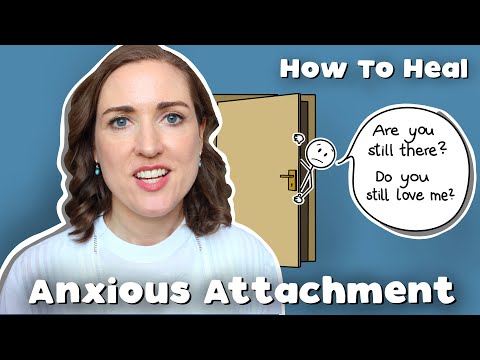
So, let’s talk about relationships for a sec. They can be a total rollercoaster, right? Like, one minute you’re flying high, and the next, you’re spiraling down because of some little thing.
Ever felt that gnawing anxiety when someone doesn’t text back right away? Or maybe it’s that uneasy feeling when you think your partner might not want to be with you anymore. Yeah, I’ve been there too.
Anxious insecure attachment can really mess with your head and heart. It’s like having these invisible strings pulling you in every direction. But hey, you’re not alone in this!
Let’s dig into what this means and how we can work through it together. Sound good?
Breaking Free: Effective Strategies to Overcome Anxious Attachment Style in Relationships
Alright, let’s chat about anxious attachment style in relationships. You know, it’s that feeling of being super clingy or worried your partner might leave you. It can really mess with your head and your connections with others. But here are some effective strategies to help you break free from those anxious feelings.
First off, it’s essential to understand what you’re dealing with. Anxious attachment often stems from inconsistent caregiving during childhood. Like, one minute you’re getting lots of love and attention, and the next, it’s really spotty. This can make you feel unworthy of love or like you need to earn it constantly.
Now, let’s talk about some ways to tackle this!
- Acknowledge Your Feelings: Seriously! You need to recognize when those anxious thoughts creep in. Are you freaking out because they didn’t text back? Or maybe reading too much into a simple “okay”? It’s okay to feel what you’re feeling. Just don’t let it take control.
- Practice Self-Soothing: This is all about finding ways to calm yourself down when anxiety hits hard. Maybe take a nice walk or listen to your favorite music. Try deep breathing exercises; they help a lot more than you’d think!
- Communicate Openly: Talk about how you’re feeling with your partner! Let them know that sometimes you worry they might not be as invested as you are. A simple “Hey, I sometimes get anxious when…” can work wonders.
- Set Boundaries: It’s vital to create space for both you and your partner. You don’t have to be glued at the hip 24/7! Give each other time apart, and trust that love doesn’t fade just because you’re not together every second.
- Cognitive Behavioral Techniques: Challenge those negative thoughts! Instead of spiraling into worst-case scenarios, ask yourself if there’s real evidence backing up those fears. Often, our minds play tricks on us.
- Avoid Overthinking: This one’s tough but super important! Try not to analyze every little thing your partner says or does. If they’re late coming home, don’t jump straight to “They must be cheating on me!”
An example? Imagine your partner is late getting home from work one day. Instead of assuming they’re ignoring you or thinking about leaving you, try giving them a call or a text after a reasonable amount of time has passed—basically just checking in instead of panicking.
You might also want to consider therapy. Talking things out with a professional could give you insight into why you’re feeling this way and guide you through healthier patterns in relationships.
The journey isn’t easy; breaking free from anxious attachment takes time and effort—like training for a marathon! But seriously, each small step adds up.
You deserve stable, fulfilling connections without all that anxiety weighing on your shoulders! So go ahead and use these strategies; you’ve got this!
Rewiring Anxious Attachment: Practical Steps for Building Secure Relationships
Anxious attachment can feel like this heavy weight in relationships, right? You might find yourself constantly worrying about being abandoned or not being good enough for your partner. The cool thing is, you can work on rewiring those patterns and build more secure connections. Let’s break it down.
First off, understanding your attachment style is crucial. It’s like shining a flashlight in the dark; it helps you see where those fears are coming from. Maybe you had experiences growing up that made you feel uncertain about love and connection. Identifying these triggers can help you manage them better.
Then, communication is key. When you’re feeling anxious, don’t let those feelings bottle up inside. Share what you’re experiencing with your partner, even if it feels awkward or scary. For example, saying something like “I’m feeling a bit insecure right now” opens the door to understanding and support. It’s like inviting them into your emotional world.
Next up, practice self-soothing techniques. When anxiety kicks in, try deep breathing or grounding exercises—like focusing on what you can see around you or using a mantra that reminds you of your worth. These methods help calm that racing heart so you don’t react impulsively based on fear.
Another biggie is setting boundaries. This goes both ways! Make sure to communicate what feels comfortable for you and be open to hearing what your partner needs too. Think of it as creating a safe space where both of you can express yourselves without fear of judgment. If they’re okay with discussing things at specific times or need solo time to recharge—just talk about it!
Also, cultivate trust. Trust takes time to build, especially if you’ve got anxiety whispering doubts in your ear. Engage in activities together that foster closeness and reliability—like keeping promises (even the little ones), being there for each other during tough times, or sharing daily joys.
And here’s something important: embrace vulnerability. I know this sounds intimidating; being open means risking rejection sometimes. But vulnerability actually draws people closer together! Sharing fears and dreams with someone fosters intimacy – just look at how relationships grow when people let down their guard even just a little.
Lastly, dive into personal growth. Reading books on relationships or even attending workshops can work wonders too! Consider therapy if that’s an option for you—it offers tools and insights tailored specifically to your journey toward security in relationships.
Really nurturing secure attachments won’t happen overnight; it’s totally normal to have ups and downs along the way. So be gentle with yourself as you’re trying these steps out—think of it like learning a new skill! Embrace the process and celebrate the small victories along the way. You’ve got this!
Understanding Anxious Attachment: How It Sabotages Relationships and What You Can Do About It
Anxious attachment can really throw a wrench in your relationships, you know? It’s like having a tiny monster lurking in the back of your mind, constantly whispering doubts and fears. If you’re someone who grew up feeling unsure if your needs would be met by caregivers, this kind of attachment might have followed you into adulthood.
So what does it feel like? Imagine you’re sitting at home, waiting for your partner to text back. You find yourself wondering if they’re busy, or maybe they’re upset with you. Your heart races and suddenly, every little thing feels super intense. That’s the anxious attachment monster at work. It makes you seek reassurance constantly and fear being abandoned.
How does this sabotage relationships? Well, it often leads to behaviors that are clingy or overly sensitive to perceived slights. You might read too much into things—like if your partner’s quiet one night means they don’t love you anymore. It creates a cycle of insecurity that can push people away instead of bringing them closer.
You may also find yourself escalating conflicts over small stuff because you’re feeling threatened or insecure. It’s like putting on an emotional magnifying glass—everything gets blown out of proportion! Seriously, I had a friend who would freak out if her boyfriend didn’t respond in five minutes. She’d spiral into thoughts that he was losing interest or cheating. Those situations left her feeling drained and alone.
But here’s the thing: understanding where these feelings come from is the first step toward healing. One effective way to work through anxious attachment is to practice self-soothing techniques. Instead of reaching for your partner as soon as anxiety hits, try grounding yourself first—focus on your breath or remind yourself of times when things were okay.
Another useful strategy is to communicate openly with your partner about how you’re feeling and what triggers these anxieties. A solid support system can make such a big difference! When they know what you’re going through, it’s easier for them to reassure you without getting annoyed.
Also, consider therapy as an option; talking it out with someone can really help unpack those deep-seated fears and beliefs rooted in childhood experiences. Cognitive Behavioral Therapy (CBT), for instance, works wonders by changing the harmful thought patterns that keep fueling anxiety.
In summary, navigating anxious attachment isn’t easy; it takes patience and effort both from you and whoever you’re in a relationship with. But addressing it head-on can lead to healthier connections. Embracing vulnerability might feel scary at first but trust me—it pays off when building real intimacy with others!
You know, relationships can really feel like a game of emotional Twister sometimes. Especially when anxious insecure attachment shows up. It’s like, you’re trying to balance on one foot while your partner is holding the other—super tricky!
I remember my friend Sarah telling me about her last relationship. She was constantly worried that her boyfriend would leave her. It wasn’t that he was actually going anywhere; it was just how she felt deep down. Every time he’d take a little longer to reply to a text, she’d spiral into thoughts of «Is he mad at me?» or «What did I do wrong?» It was heartbreaking to see her so caught up in those anxious loops.
Basically, anxious insecure attachment often stems from early experiences in our lives—like if you felt your caregiver wasn’t consistently available. So as adults, we can find ourselves seeking constant reassurance and feeling overly sensitive to any signs of rejection or abandonment. You might catch yourself needing extra love and validation, which is totally understandable but can make things tough.
But here’s the thing: understanding this pattern is key! When you start recognizing your triggers—the specific moments that ramp up your anxiety—you can begin to navigate them better, you know? Like Sarah eventually took some steps to communicate her needs with her boyfriend instead of twisting herself into knots inside. She learned that being open about her feelings helped her feel less alone in the relationship.
So yeah, it’s all about finding that balance between expressing what you need and not letting those old insecurities take over completely. And if you find yourself stuck in this cycle, trying therapy can be super helpful too! It gives you a space to unpack those feelings and maybe even rewrite some old stories in a more positive light.
Being aware of anxious insecure attachment isn’t easy, but hey, recognizing it doesn’t mean you’re doomed to repeat it forever! You’ve got a chance to break free from those patterns and build healthier connections with others. It takes time and work, but the light at the end of the tunnel is definitely worth it!